Does BioRePeel Hurt?
If you're considering BioRePeel for skin rejuvenation, one of the first questions that may come to mind is: Does BioRePeel hurt? The straightforward answer is no, BioRePeel is generally not painful. This innovative treatment is designed to be comfortable and effective, offering a unique way to achieve glowing, revitalized skin with minimal discomfort. Let’s dive deeper into what BioRePeel is, how it feels during application, and why it has become a popular choice in modern skincare.
What Is BioRePeel?
BioRePeel is an advanced chemical peel that works to exfoliate the skin, boost collagen production, and promote cell turnover. Unlike traditional peels, which can be harsh and require significant downtime, BioRePeel uses a blend of trichloroacetic acid (TCA), amino acids, and vitamins to gently resurface the skin while providing nourishing benefits. This dual-phase formula helps to address various skin concerns, such as hyperpigmentation, fine lines, acne scars, and dullness.
What Does BioRePeel Feel Like During Treatment?
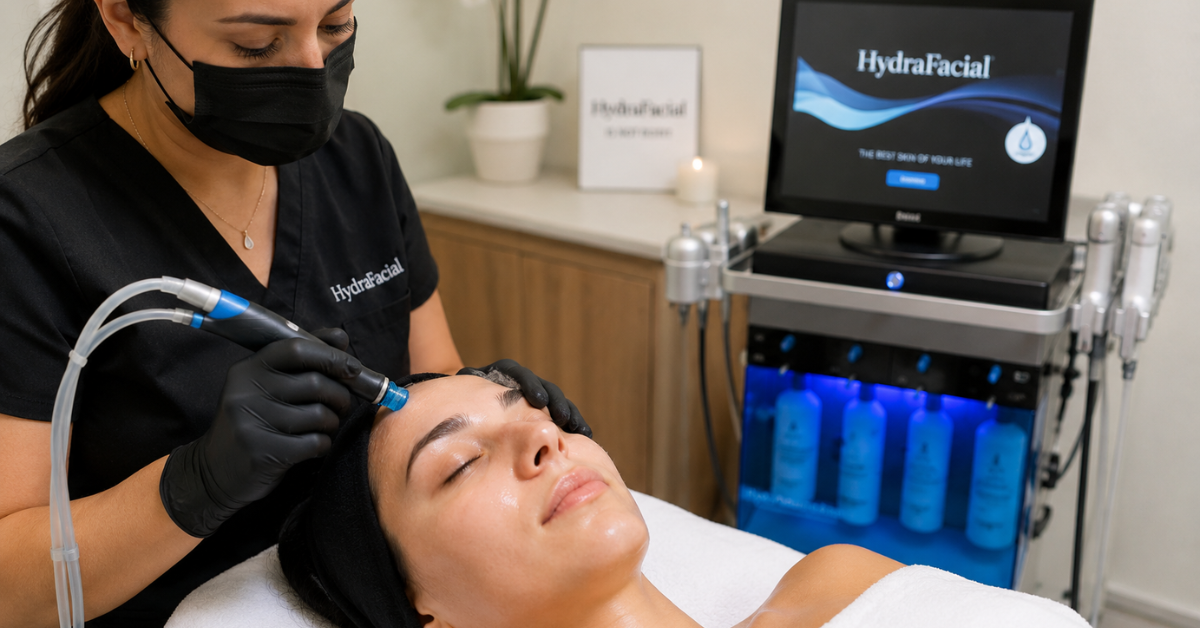
When undergoing a BioRePeel treatment, most individuals describe the sensation as a mild tingling or warming feeling. It is far less intense than what is typically experienced with stronger chemical peels. The sensation is a sign that the solution is penetrating the skin and stimulating the renewal process.
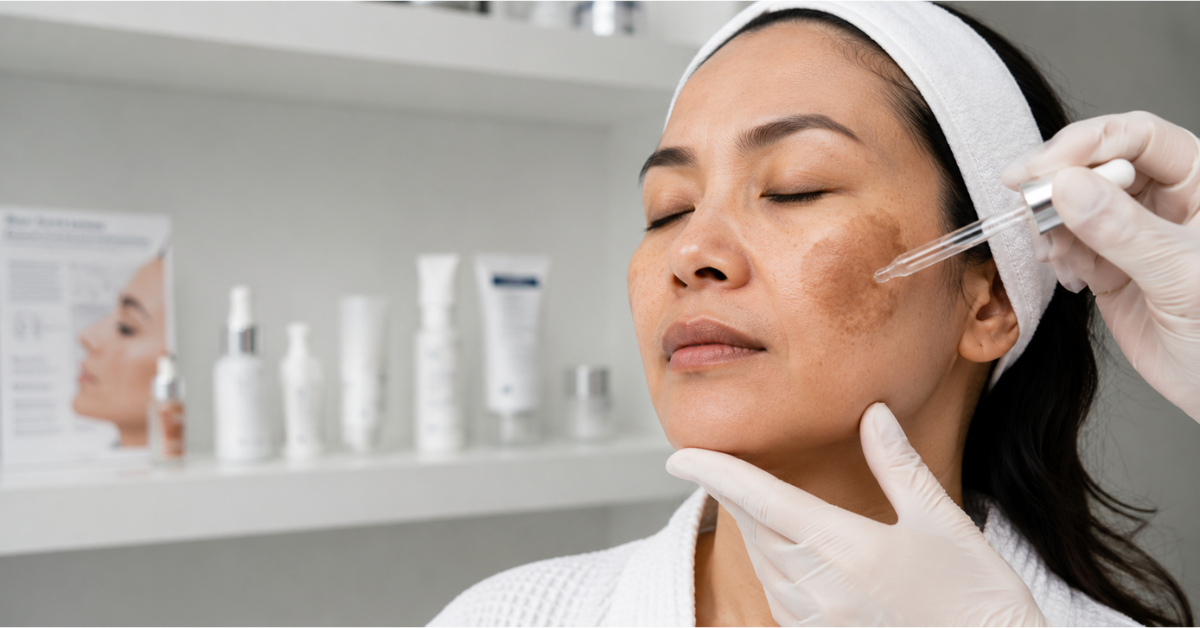
- Initial Application: The treatment starts with cleansing the skin to remove any impurities or makeup. The BioRePeel solution is then applied evenly across the targeted areas.
- Sensation During Treatment: Many patients report feeling a slight tingling or warmth within the first few minutes of the application. This sensation is generally well-tolerated and subsides quickly. For those with particularly sensitive skin, there might be a bit more noticeable tingling, but it rarely crosses the threshold into pain.
- Duration of Discomfort: The tingling or warmth lasts only for the duration of the treatment, which typically ranges from 10 to 15 minutes. Once the solution is removed, any discomfort rapidly dissipates.
Why BioRePeel Doesn’t Hurt Like Traditional Peels
One of the main reasons BioRePeel stands out in the world of chemical exfoliation is due to its gentle formula. Traditional chemical peels, especially those with high concentrations of TCA or glycolic acid, can lead to stinging, burning, and prolonged peeling. These intense reactions often require pain management or numbing creams.
BioRePeel, however, is designed to be low-irritation while still delivering impactful results. The inclusion of amino acids and vitamins helps to soothe and nourish the skin, reducing the chances of irritation. As a result, BioRePeel has been dubbed a no-downtime peel, as it allows you to return to your normal activities immediately after treatment with minimal redness or discomfort.
Benefits of BioRePeel Beyond Comfort
In addition to being largely pain-free, BioRePeel offers numerous skin-enhancing benefits:
- Non-Invasive with Minimal Downtime: Unlike traditional chemical peels that may require days or even weeks of recovery, BioRePeel provides noticeable results without the need for an extended healing period.
- Multi-Layered Approach: The blend of active ingredients works not only to exfoliate but also to hydrate and protect the skin.
- Suitable for Various Skin Types: Whether you have dry, oily, or sensitive skin, BioRePeel is adaptable and effective across different skin types, making it a versatile treatment option.
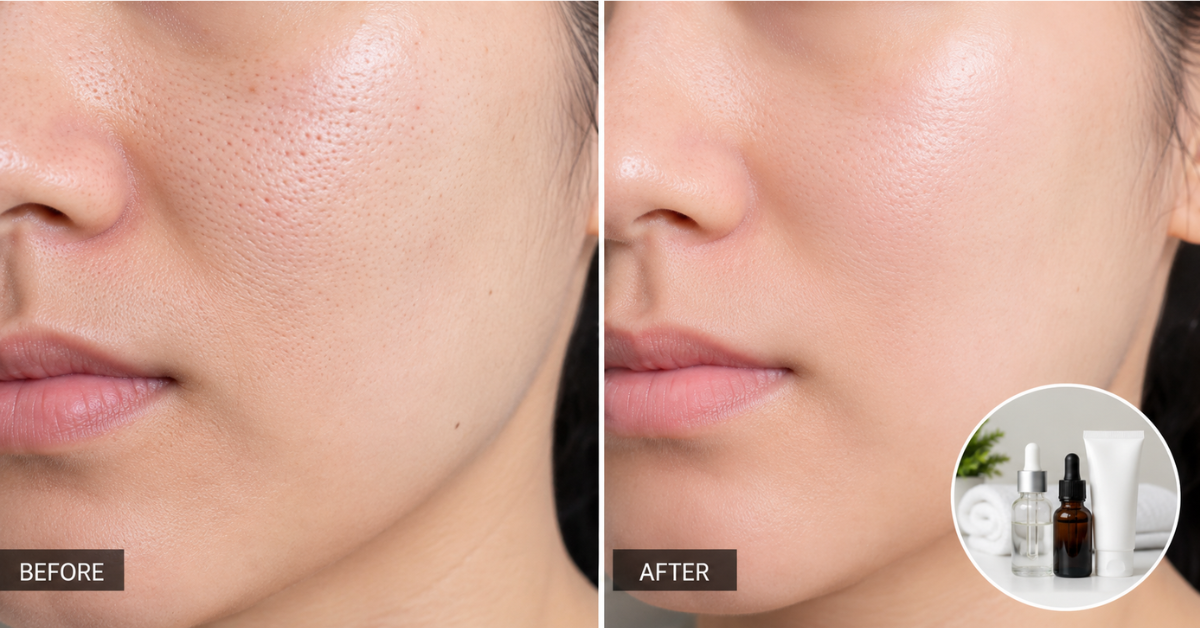
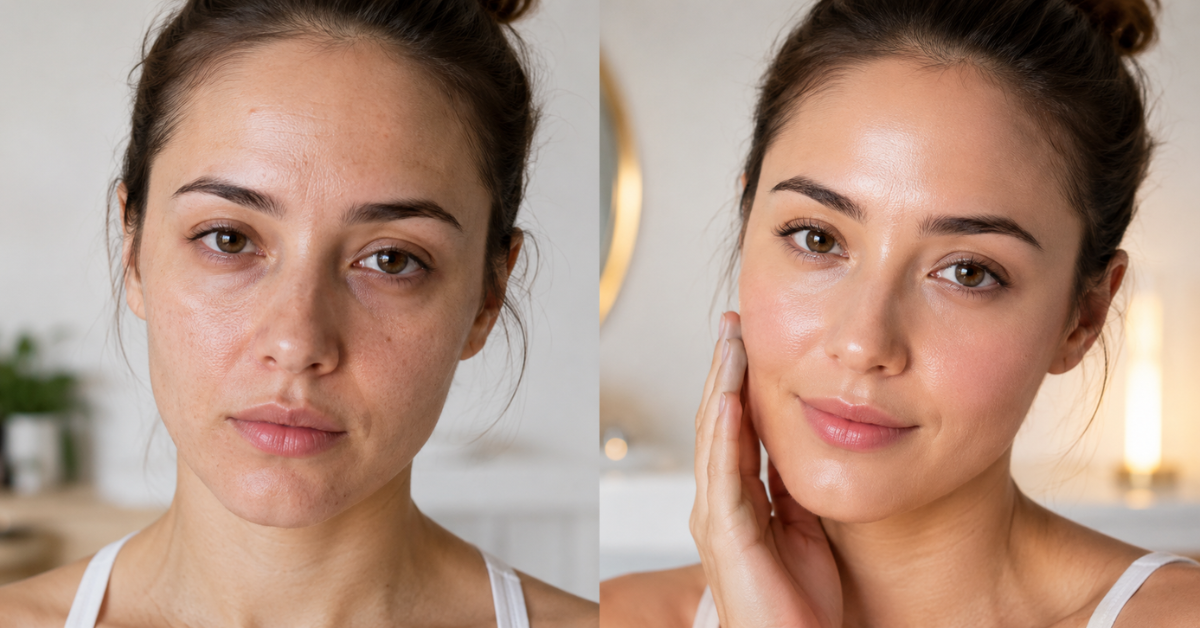
- Improves Skin Texture and Tone: Regular treatments can result in smoother, brighter skin with reduced signs of aging and pigmentation.
- Quick and Efficient: With treatments lasting around 30 minutes, BioRePeel is an excellent option for those seeking a lunchtime skin refresh.
Post-Treatment Sensations
After a BioRePeel session, most people experience minimal aftereffects. There might be a slight redness immediately following the treatment, but this typically subsides within an hour. Unlike more aggressive peels, BioRePeel does not lead to significant peeling or flaking, making it an attractive option for those who want to avoid the noticeable downtime associated with other chemical peels.
Tips for a Comfortable BioRePeel Experience
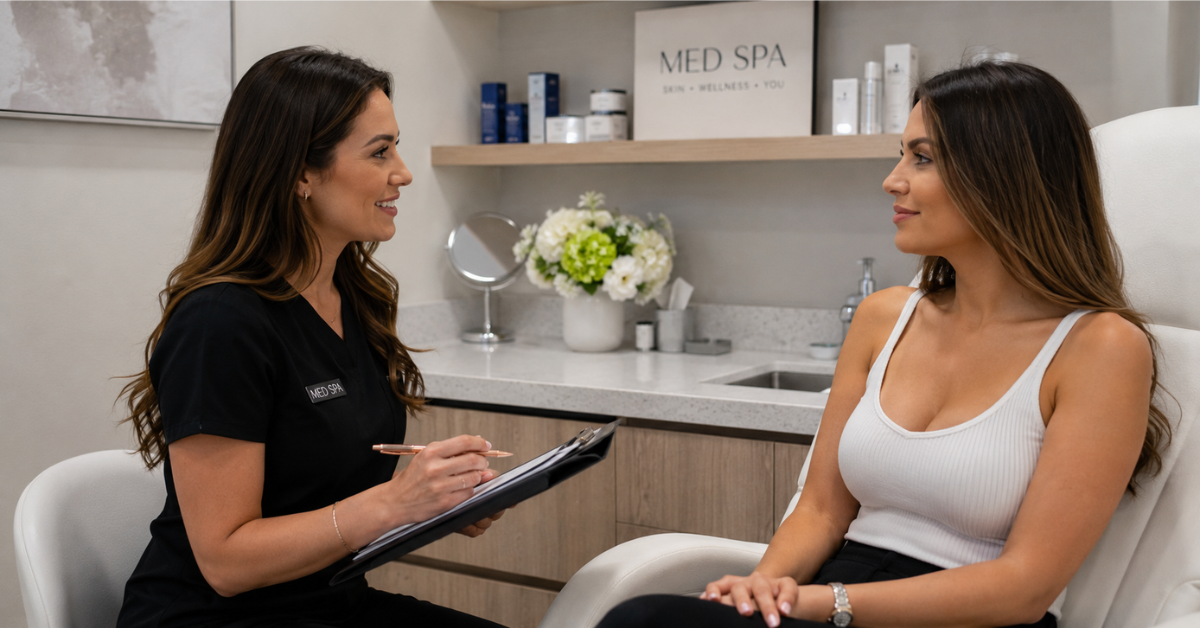
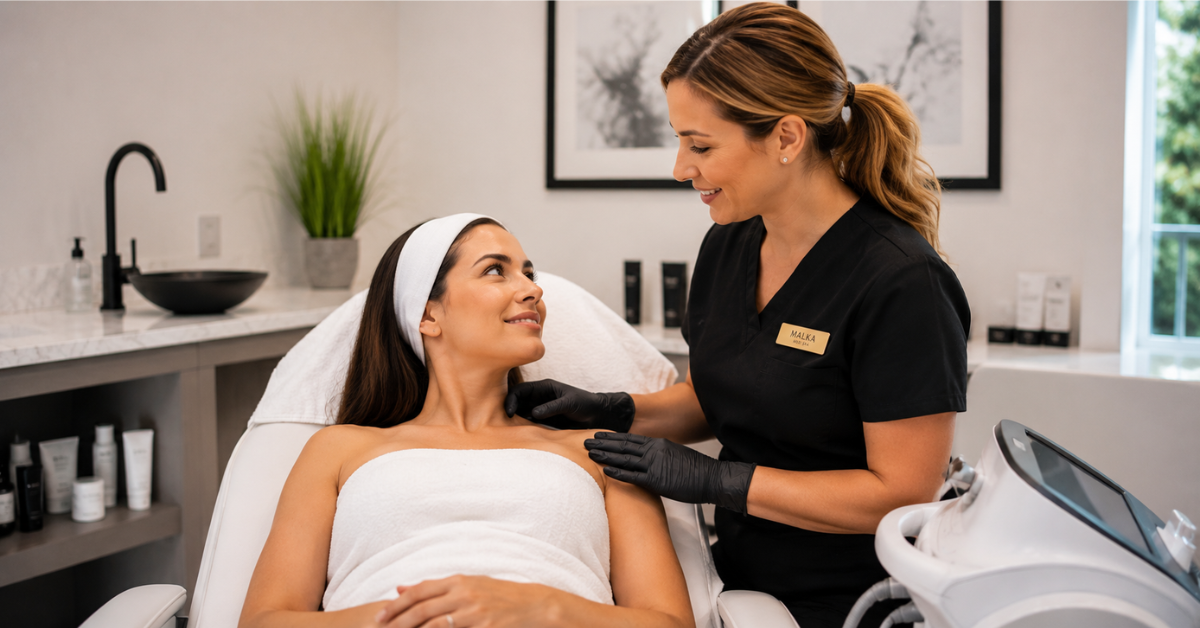
- Communicate with Your Skincare Professional: Always let your skincare provider know if you have any concerns or if you experience unexpected discomfort during the treatment.
- Follow Aftercare Instructions: Proper aftercare, including moisturizing and applying sunscreen, can enhance your comfort and results.
- Avoid Harsh Products Post-Treatment: Refrain from using retinoids or other strong skincare products for at least a few days after your treatment to allow your skin to recover smoothly.
Conclusion: Is BioRePeel Right for You?
BioRePeel is an excellent option for those seeking a pain-free, effective way to rejuvenate their skin. With minimal discomfort, no downtime, and a wealth of skin benefits, it’s no wonder this treatment has gained popularity among beauty enthusiasts. If you’re looking for a way to improve your skin’s texture, reduce signs of aging, or tackle pigmentation without the worry of pain or extensive recovery, BioRePeel may be the ideal solution.
As always, consult with a certified skincare professional to discuss your skin type and treatment goals before booking your BioRePeel session. With proper guidance, you can achieve radiant, refreshed skin with a treatment that is as comfortable as it is effective.