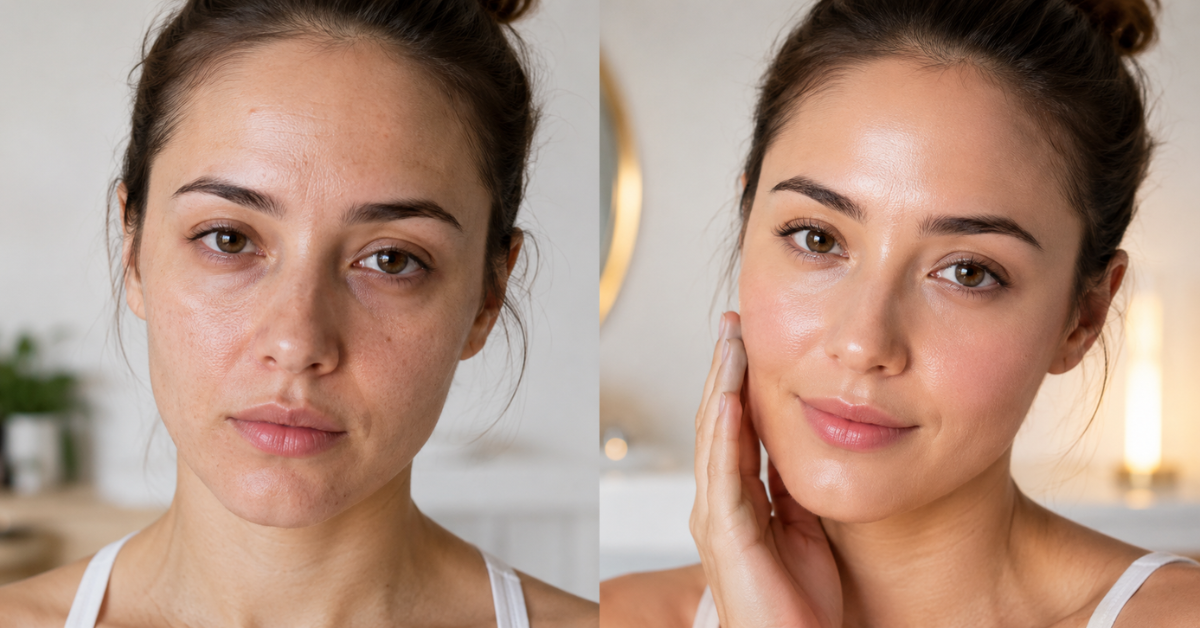
Acne vs Hormonal Acne | Difference and Treatment
You've tried every cleanser on the shelf. You've cut out dairy, started drinking more water, and changed your pillowcase every week. Still — the breakouts keep coming back.
Here's what most people don't realize: not all acne is the same. Treating regular acne with the same approach as hormonal acne is like putting out two different fires with the same extinguisher. One goes out. The other doesn't even flinch.
This guide breaks down the real difference between acne and hormonal acne, what causes each one, and — most importantly — how to treat both effectively so you can finally get clear, lasting results.
What Is Regular Acne?
Regular acne — also called acne vulgaris — develops when your pores get clogged. Dead skin cells, excess sebum (oil), and bacteria combine inside the pore, causing inflammation. The result is blackheads, whiteheads, papules, and pustules.
Regular acne tends to appear on the forehead, nose, and chin — also known as the T-zone. It's especially common during the teenage years, when oil production is at its peak. Stress, diet, dirty makeup brushes, and inconsistent skincare all contribute to it.
The key characteristic of regular acne? It responds relatively well to consistent cleansing, exfoliation, and topical treatments.
What Is Hormonal Acne?
Hormonal acne is a different beast entirely. It's driven by fluctuations in your hormones — specifically androgens like testosterone — which signal your sebaceous glands to produce more oil. More oil means more clogged pores, more bacteria, and more inflammation.
What makes hormonal acne distinct is where it shows up and when. It clusters along the lower face — the jawline, chin, and neck. It often appears as deep, painful cysts that sit beneath the skin rather than coming to a surface head. And it follows a pattern, flaring up predictably around your menstrual cycle, during pregnancy, after stopping birth control, or during perimenopause.
Hormonal acne is most common in adult women, though men experience it too — particularly during puberty or when testosterone levels shift. It doesn't respond well to standard acne cleansers because the root cause isn't on the surface. The problem starts much deeper.
Key Differences: Acne vs Hormonal Acne
Understanding these differences helps you choose the right treatment from the start.
Location: Regular acne appears mostly on the forehead, nose, and cheeks. Hormonal acne concentrates on the jawline, chin, and lower cheeks.
Type of breakouts: Regular acne produces whiteheads, blackheads, and surface pustules. Hormonal acne typically causes deep, cystic, tender nodules that don't come to a head easily.
Timing: Regular acne can appear randomly after sweating, touching your face, or skipping skincare. Hormonal acne follows a cycle — it flares at predictable times tied to hormonal shifts.
Who gets it: Teenage acne is almost always regular acne. Adult acne — especially in women over 25 — is very often hormonal.
Response to treatment: Regular acne clears with topical treatments and consistent cleansing. Hormonal acne resists surface-level treatments because it originates from within.
What Triggers Hormonal Acne?
Several hormonal shifts trigger this type of acne. Knowing your triggers helps you manage flare-ups alongside professional treatment.
Menstrual cycle: Estrogen drops just before your period, while progesterone and androgens rise. This hormonal imbalance spikes oil production and causes that predictable monthly breakout.
Polycystic Ovary Syndrome (PCOS): PCOS causes elevated androgen levels, which directly stimulates excess oil production. Women with PCOS often experience persistent hormonal acne that doesn't respond to conventional treatments.
Pregnancy and postpartum: Dramatic hormone shifts during and after pregnancy trigger acne in many women who have never dealt with it before.
Stopping birth control: Many women experience a hormonal rebound after discontinuing the pill, leading to sudden breakouts that can last months.
High stress: Cortisol — the stress hormone — increases androgen activity, which drives up oil production. Chronic stress creates a hormonal environment that feeds acne consistently.
Why Standard Acne Treatments Don't Fix Hormonal Acne
This is the frustrating part. You use a salicylic acid cleanser, apply benzoyl peroxide, stay consistent for weeks — and the cystic jawline breakouts keep appearing on schedule.
That's because topical treatments address the pore and the bacteria inside it. They don't touch the hormonal signal telling your skin to overproduce oil in the first place. You're treating the symptom while the cause runs untouched.
Effective hormonal acne treatment has to work on two levels: calming the hormonal driver and repairing the visible skin damage it leaves behind.
Professional Treatments That Actually Clear Both Types of Acne
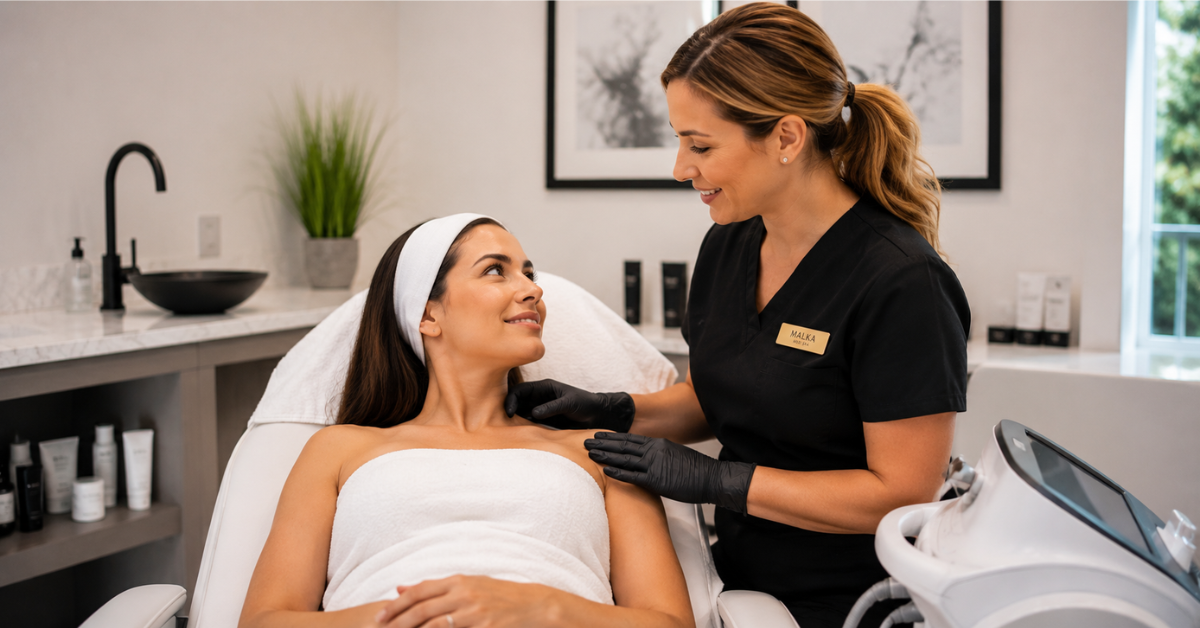
At Malka Med Spa in Little Elm, TX, acne treatment goes beyond the surface. The goal is to identify whether your acne is hormonal or congestion-based, then apply the right combination of treatments to clear active breakouts and repair the damage they leave behind.
Cleaning & Hydration Facial — Reset Congested Skin
For regular acne driven by excess oil, clogged pores, and surface congestion, the Cleaning & Hydration facial at Malka Med Spa delivers a deep reset. It removes impurities, rebalances your skin's moisture barrier, and calms inflammation — without stripping the skin. A healthy, balanced complexion is far less prone to recurring breakouts.
Adult Acne Scar Treatment — Clear the Evidence
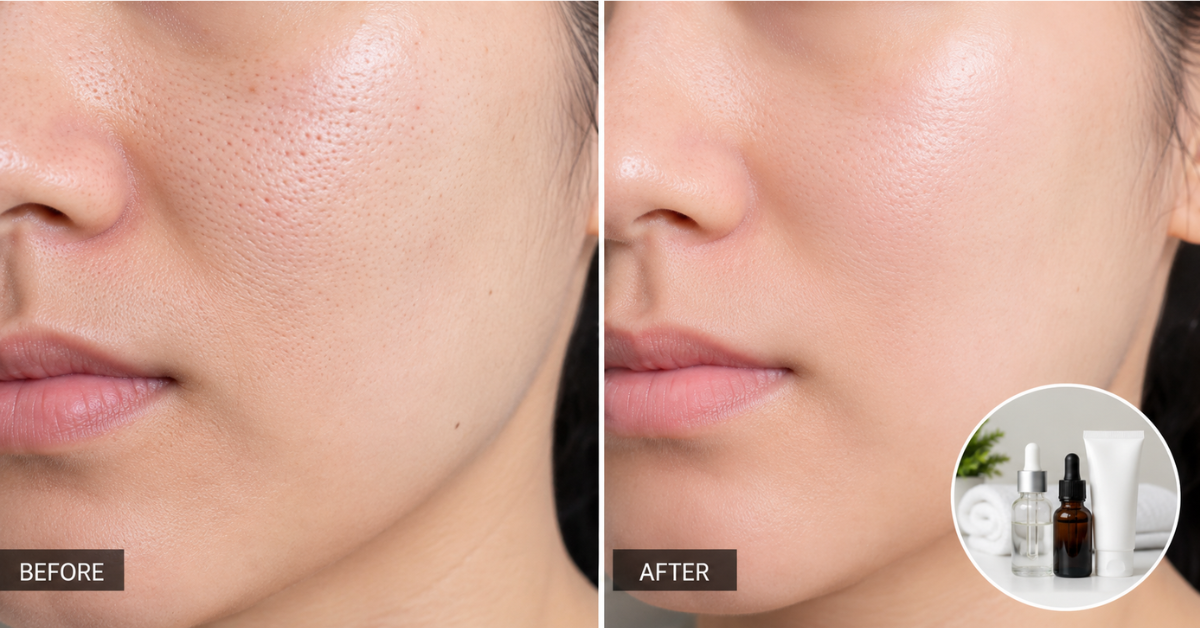
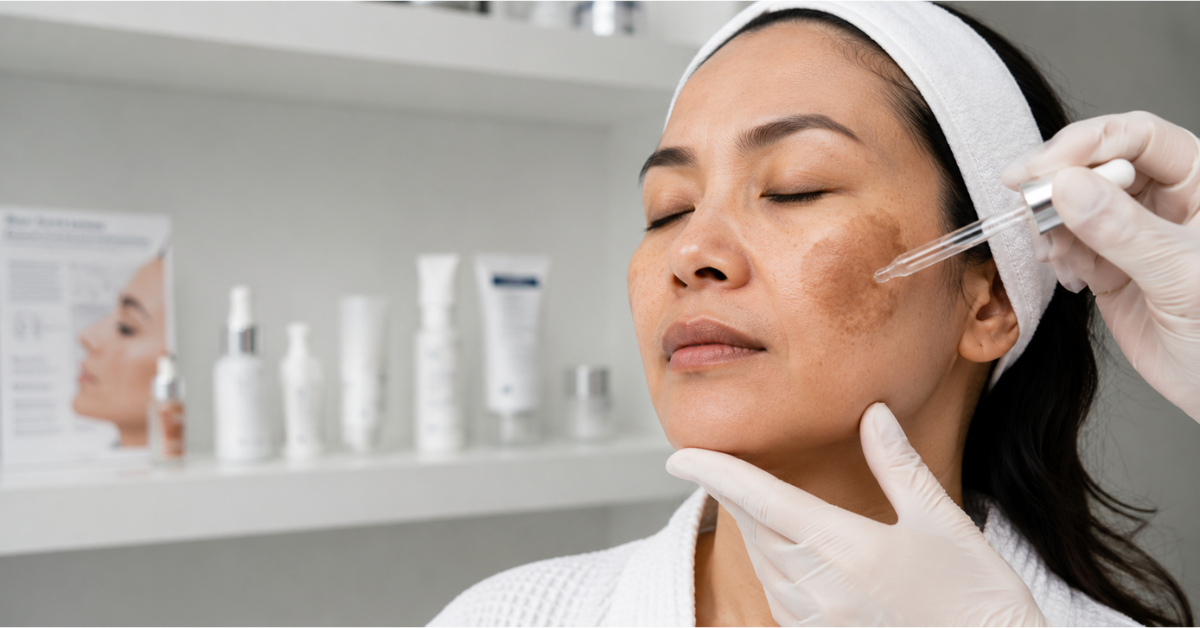
Both regular and hormonal acne leave behind post-inflammatory hyperpigmentation (PIH), red marks, and depressed scars. Malka Med Spa's adult acne scar treatments target these marks directly, using advanced modalities to resurface skin, even tone, and restore smoothness. Clearing breakouts is one thing — erasing the history they leave behind is another.
Microneedling — Repair Skin at the Source
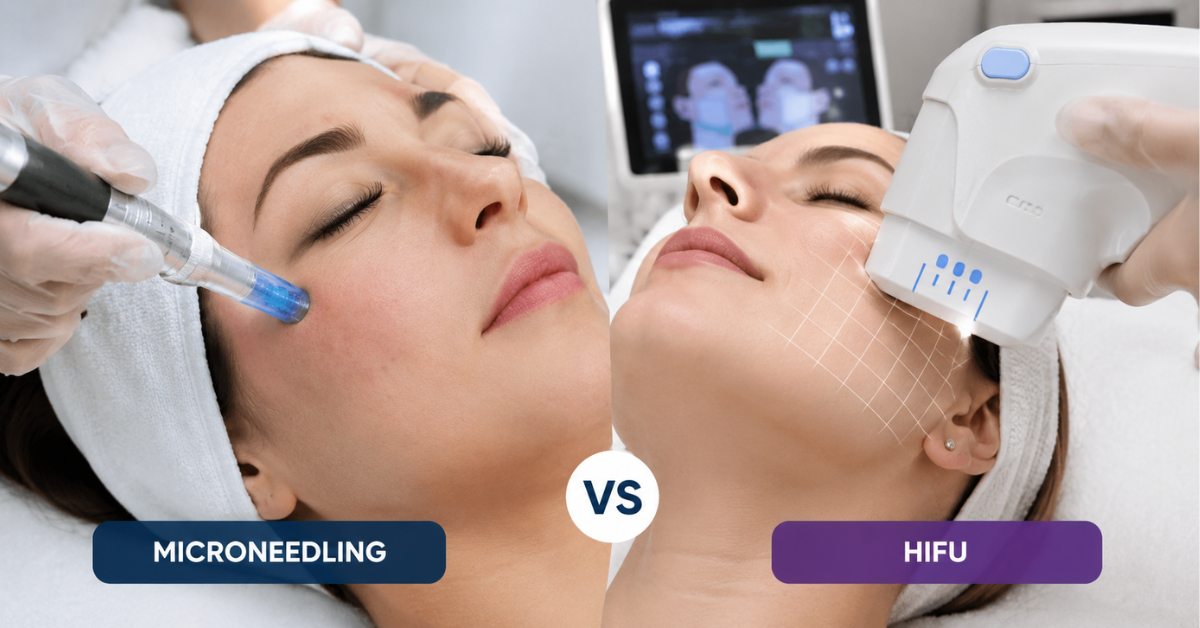
Microneedling is one of the most effective treatments for acne scarring and skin texture damage caused by chronic hormonal breakouts. The controlled micro-injuries stimulate collagen production and cellular renewal, gradually filling in depressed scars and smoothing uneven texture. It also improves skin resilience, making future breakouts heal faster and leave less lasting damage.
BioRePeel — Unclog, Resurface, and Renew
BioRePeel's advanced chemical formula exfoliates dead skin cells, unclogs pores, and accelerates cell turnover — all without any downtime. For clients dealing with congestion-driven regular acne, it clears the pore environment effectively. For hormonal acne clients, it keeps pores clear and reduces post-acne discoloration between hormonal flares.
Texture & Brightening Treatment — Even Skin After Breakouts
Hormonal acne often leaves dark patches and uneven tone in its wake. Malka Med Spa's Texture & Brightening treatment targets discoloration and rough texture directly, restoring clarity and radiance to skin that has been through repeated breakout cycles. It's the finishing treatment that makes the difference between clear skin and genuinely glowing skin.
HydraFacial — Deep Cleanse Without Aggravating Acne
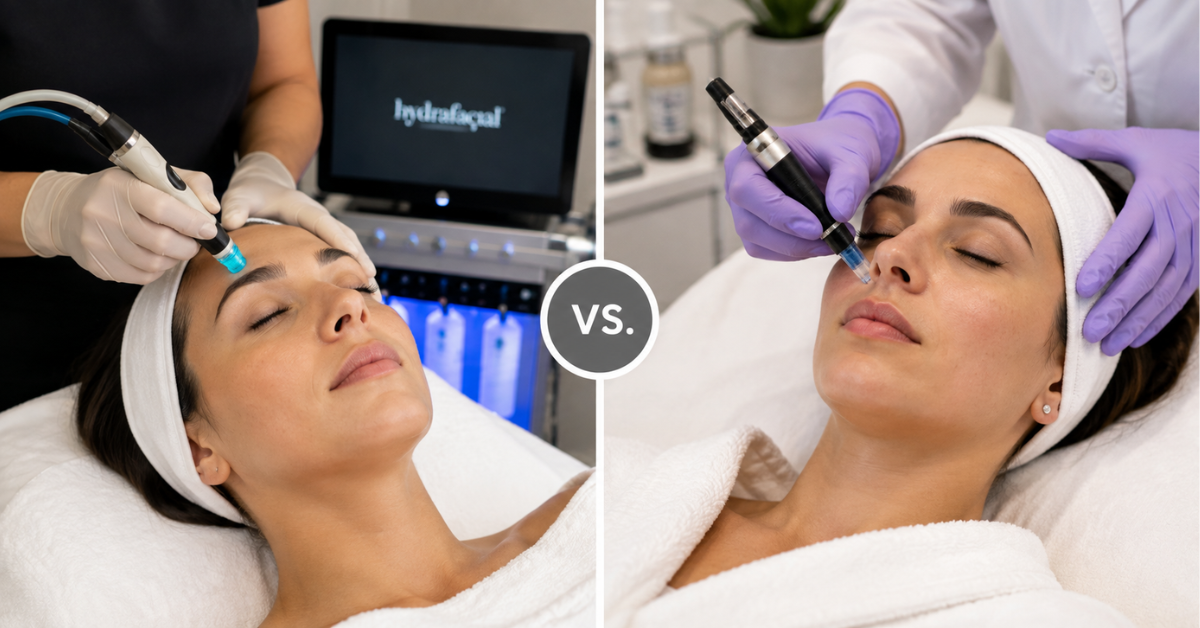
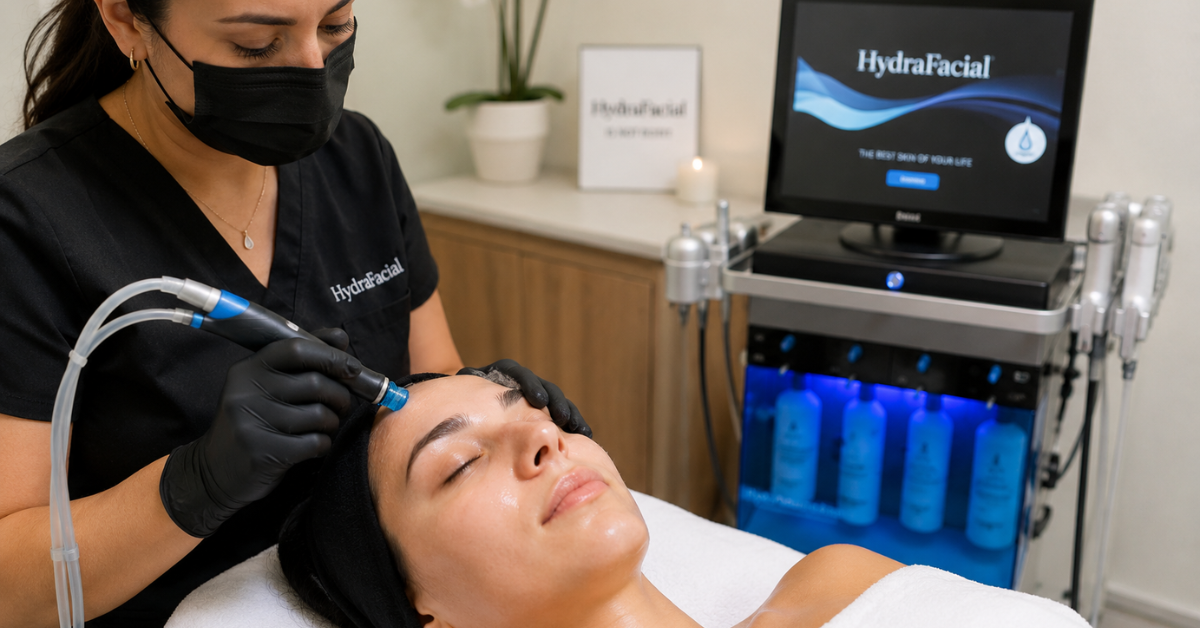
The HydraFacial combines deep cleansing, gentle exfoliation, extraction, and intense hydration in a single session. It removes the buildup that feeds regular acne — without triggering further inflammation. It's gentle enough for sensitive, breakout-prone skin and effective enough to deliver visible results after just one session.
What You Can Do at Home Between Treatments
Professional treatments do the deep work, but your daily routine either reinforces or undermines those results.
Don't over-cleanse. Washing your face more than twice a day strips your skin barrier and triggers your skin to produce more oil as compensation — the opposite of what you want.
Use non-comedogenic products. Check every product you put on your face for pore-clogging ingredients. Coconut oil, isopropyl myristate, and heavy silicones are common culprits.
Manage stress actively. Cortisol drives hormonal acne. Exercise, sleep, and stress reduction aren't optional extras — they directly affect your skin.
Don't pick or squeeze. Especially with deep, cystic hormonal acne. Picking spreads bacteria, deepens inflammation, and turns a temporary breakout into a permanent scar.
Add niacinamide to your routine. Niacinamide reduces oil production, calms redness, and fades post-acne marks. It works for both acne types and has virtually no side effects.
When to See a Professional
If your breakouts follow a monthly pattern, sit deep under the skin, don't respond to topical treatments, or leave scars behind — you're dealing with hormonal acne and it needs professional attention.
Waiting makes hormonal acne worse. Each unchecked cycle means more inflammation, more scarring, and a deeper hormonal imbalance reinforcing the pattern. The earlier you get a proper assessment and treatment plan, the faster and more completely your skin clears.
Get Clear Skin at Malka Med Spa
At Malka Med Spa in Little Elm, TX, we assess your specific type of acne before recommending any treatment. Whether you're dealing with congestion-driven surface breakouts or deep, cystic hormonal acne — we build a personalized plan that targets the root cause and repairs the visible damage.
Our team combines advanced treatments with genuine expertise, so every session moves you measurably closer to clear, confident skin.
Frequently Asked Questions
Q: How do I know if my acne is hormonal or regular?
A: Look at the location and timing. Hormonal acne clusters on the jawline, chin, and lower cheeks, and flares predictably around your menstrual cycle or during times of high stress. Regular acne appears more randomly across the T-zone and responds to surface-level treatments. If your breakouts are deep, painful, and cyclical — they're almost certainly hormonal.
Q: Can men get hormonal acne?
A: Yes. Men experience hormonal acne during puberty when testosterone surges, and it can persist into adulthood if androgen levels remain elevated. Men's hormonal acne typically appears on the back, chest, and jawline. The same professional treatments — microneedling, BioRePeel, and acne scar treatments — work effectively for men as well.
Q: Does diet affect hormonal acne?
A: Yes, significantly. High-glycemic foods spike insulin, which raises androgen levels and stimulates oil production. Dairy — particularly skim milk — has a well-documented link to acne in many people. Reducing sugar, processed carbohydrates, and dairy while increasing omega-3 rich foods can meaningfully reduce hormonal flare-ups alongside professional treatment.
Q: How long does it take to clear hormonal acne with professional treatment?
A: Most clients see noticeable improvement within 4–8 weeks of beginning a professional treatment plan. Full clearance of active breakouts and visible scar reduction typically takes 3–6 months, depending on the severity of the acne and consistency of treatment. Hormonal acne requires ongoing management, not a one-time fix.
Q: Will my acne come back after treatment?
A: Regular acne can be fully cleared and prevented with consistent skincare and professional maintenance treatments. Hormonal acne may require ongoing management because the hormonal triggers can persist. However, professional treatments significantly reduce breakout severity, accelerate healing, and prevent the long-term scarring that repeated cycles cause.