HydraFacial vs Chemical Peel: Which One Is Better?
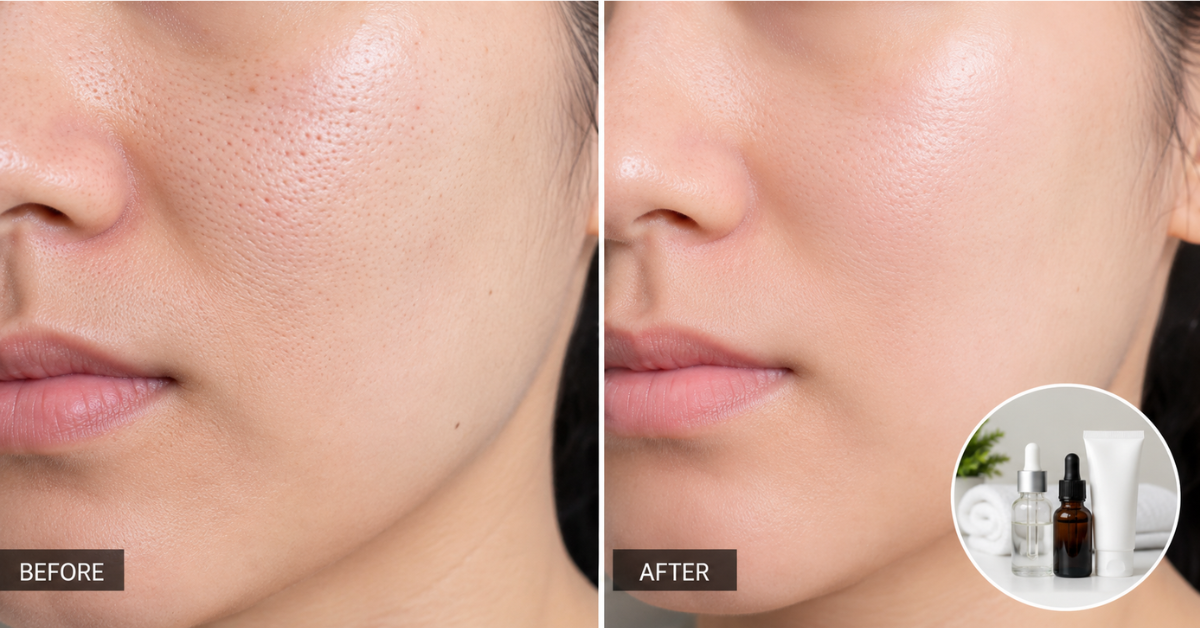
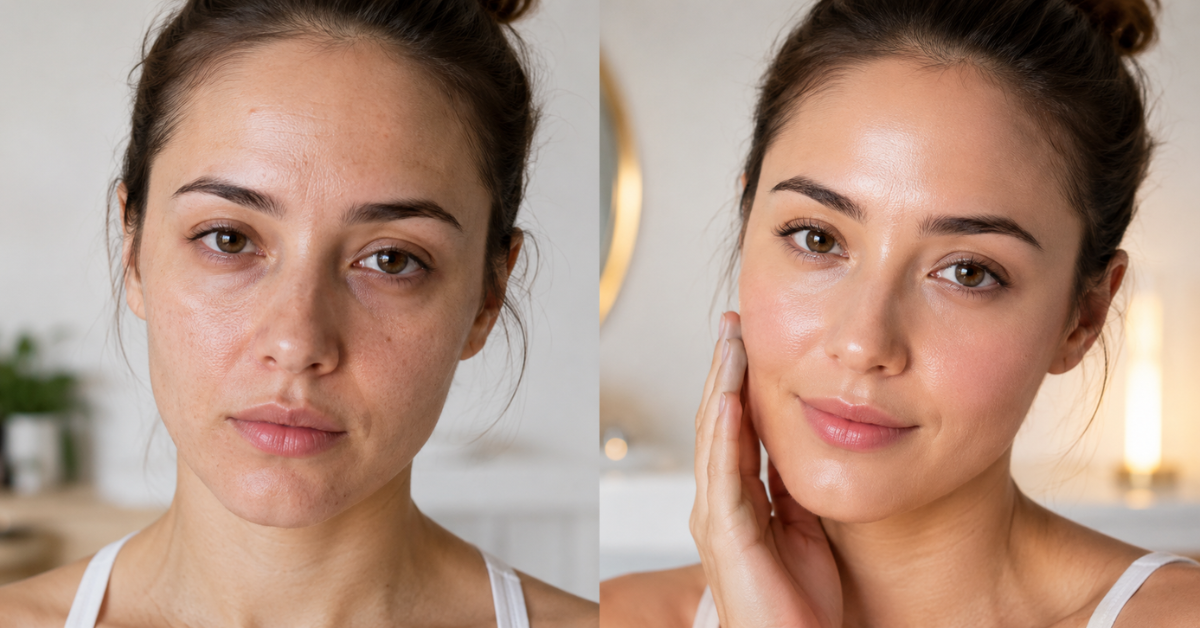
HydraFacial is better for instant glow, deep hydration, and zero downtime, making it an ideal choice for those who want a quick skin refresh without any recovery period. On the other hand, a chemical peel is more effective for treating deeper skin concerns such as acne scars, pigmentation, uneven texture, and fine lines by exfoliating the upper layers of the skin and promoting long-term renewal.
Both treatments are highly popular in modern skincare, but they serve different purposes and deliver different types of results. The right choice ultimately depends on your skin type, sensitivity level, and whether your goal is immediate radiance or deeper, long-lasting skin correction.
Quick Comparison: HydraFacial vs Chemical Peel
- HydraFacial: Gentle, hydrating, no downtime, instant results
- Chemical Peel: Stronger, targets deeper issues, may require recovery time
- Best for sensitive skin: HydraFacial
- Best for long-term skin correction: Chemical peel
What Is a HydraFacial?
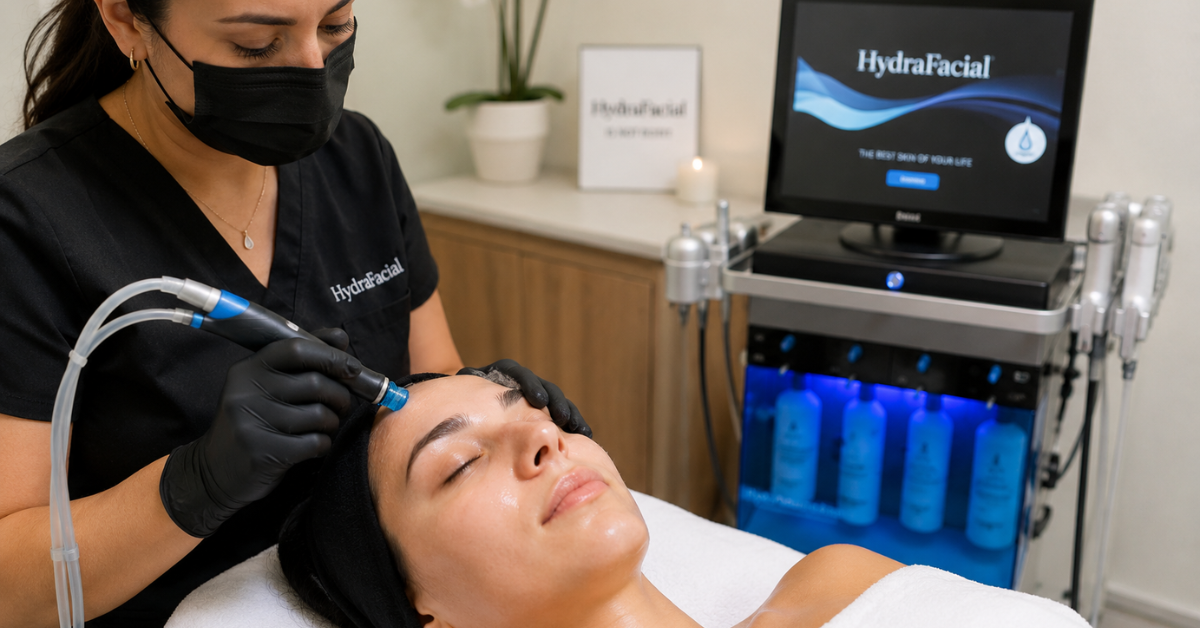
A HydraFacial is a non-invasive facial treatment that cleanses, exfoliates, and hydrates your skin using a specialized device. It removes impurities while infusing your skin with nourishing serums.
Key Benefits of HydraFacial
- Instantly improves skin glow and texture
- Deeply hydrates dry skin
- Reduces mild acne and clogged pores
- Safe for almost all skin types
Best For
- Dull or dehydrated skin
- Sensitive skin
- Quick refresh before events
What Is a Chemical Peel?
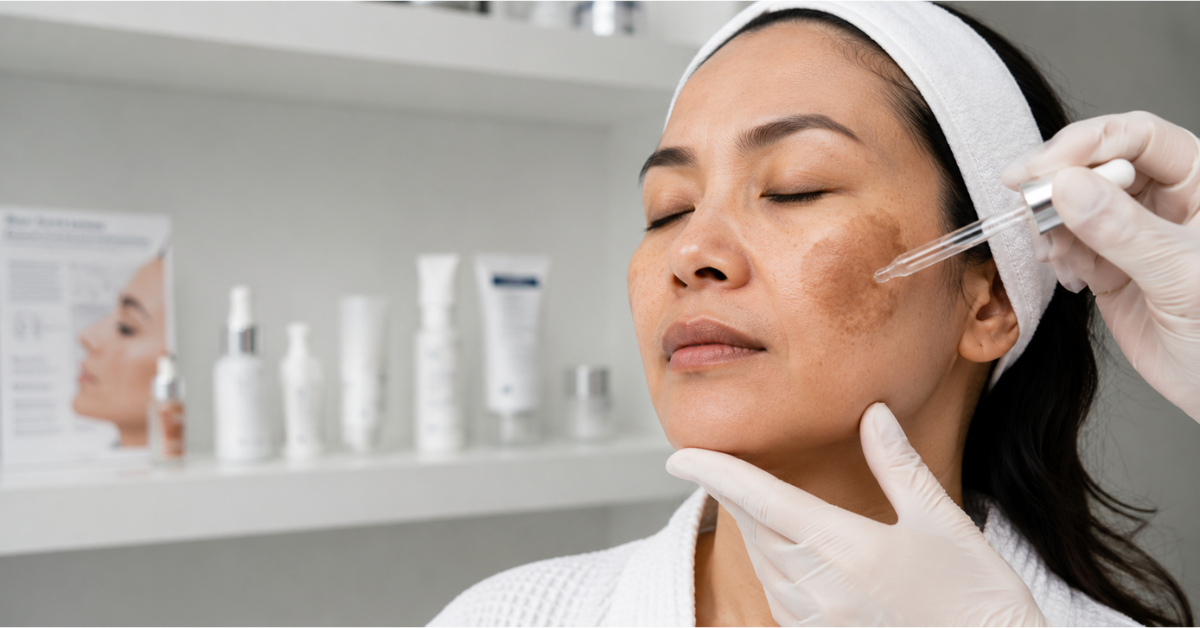
A chemical peel uses a solution (like glycolic or salicylic acid) to exfoliate the top layer of your skin. This helps reveal smoother, clearer, and more even-toned skin underneath.
Key Benefits of Chemical Peels
- Reduces acne scars and pigmentation
- Improves fine lines and wrinkles
- Evens out skin tone
- Boosts long-term skin renewal
Best For
- Acne scars and dark spots
- Uneven skin tone
- Aging skin concerns
HydraFacial vs Chemical Peel: Key Differences
1. Results
HydraFacial gives immediate glow and smoothness, while chemical peels provide deeper and longer-lasting improvements over time.
2. Downtime
HydraFacial has no downtime. You can return to normal activities immediately.
Chemical peels may cause redness, peeling, or sensitivity for a few days.
3. Skin Sensitivity
HydraFacial is gentle and suitable for sensitive skin.
Chemical peels can be stronger and may not suit very sensitive skin.
4. Treatment Depth
HydraFacial works on the surface layer.
Chemical peels penetrate deeper layers for more noticeable correction.
Cost Comparison
- HydraFacial: $150 – $300 per session
- Chemical Peel: $100 – $400 depending on type and strength
HydraFacials are often done regularly for maintenance, while chemical peels may be spaced out for long-term results.
Which One Should You Choose?
Choose HydraFacial If:
- You want instant glowing skin
- You have sensitive or dry skin
- You need a quick, no-downtime treatment
Choose Chemical Peel If:
- You want to treat acne scars or pigmentation
- You’re targeting wrinkles or aging signs
- You’re okay with mild downtime for better results
Can You Combine HydraFacial and Chemical Peel?
Yes, many skincare professionals recommend combining both treatments in a skincare plan.
- HydraFacial for regular maintenance and hydration
- Chemical peel for deeper correction
This combination can deliver both instant and long-term results.
What to Expect During Each Treatment
HydraFacial
- Feels like a gentle cleansing and hydration process
- Takes about 30–45 minutes
- No discomfort or downtime
Chemical Peel
- Slight tingling or burning sensation during treatment
- Skin may peel for a few days after
- Results improve over time
FAQs
Q: Is HydraFacial better than a chemical peel?
A: It depends on your goal. HydraFacial is better for hydration and glow, while chemical peels are better for deeper skin issues.
Q: Which treatment is safer for sensitive skin?
A: HydraFacial is generally safer and more suitable for sensitive skin.
Q: How often should I get these treatments?
A: HydraFacial can be done monthly, while chemical peels are usually done every few months.
Q: Do chemical peels hurt?
A: You may feel mild tingling, but it is usually tolerable.
Q: Can I wear makeup after HydraFacia or chemical peel treatment?
A: After HydraFacial, yes. After a chemical peel, it’s best to wait until the skin heals.
Final Thoughts
HydraFacial vs chemical peel is not about which is better overall—it’s about what your skin needs. HydraFacial is perfect for quick results and hydration, while chemical peels are ideal for deeper skin correction. If you want instant glow with no downtime, choose HydraFacial. If you want long-term improvement in skin texture and tone, go for a chemical peel—or combine both for the best results.