Skincare Tips for Humid Climates That Actually Work
Your skincare routine was working fine — until the heat and humidity hit. Now your moisturizer feels suffocating, your foundation slides off by noon, and your skin breaks out in places it never used to. Sound familiar? Humidity changes everything about how your skin behaves, and the skincare tips for humid climates you need are fundamentally different from what works in dry or temperate weather. This guide gives you a complete, practical framework for keeping your skin clear, balanced, and healthy — no matter how thick the air gets.
Are Malka Med Spa Treatments Safe? (Full Safety Guide)
Why Humid Weather Wreaks Havoc on Your Skin
Humidity itself is not the enemy. In fact, moisture-rich air can be beneficial for dry skin types. The problem is what happens when your skin overreacts to it.
Excess Oil Production
Warm, humid air raises your skin's surface temperature. That heat triggers your sebaceous glands to produce more oil. More oil means more shine, more congestion, and — for many people — more breakouts. If you already have oily or combination skin, humidity amplifies every one of those tendencies.
Sweat and Bacteria Buildup
Humidity makes you sweat more — and sweat sitting on the skin surface mixes with oil, sunscreen, and environmental pollution. That cocktail clogs pores fast. It also creates a warm, moist environment where bacteria thrive, raising your risk of breakouts and skin irritation.
Product Pilling and Overload
Heavy creams and thick serums designed for dry climates simply do not absorb in humid conditions. Instead, they sit on the surface, mix with sweat and oil, and pill or slide off. Your skin ends up with a congested film rather than actual hydration — which defeats the purpose entirely.
Why Your Skin Looks Dull (And How to Fix It)
Swap Your Cleanser for a Humidity-Ready Formula
Cleansing is the single most important step to get right in a humid climate. Your goal is to remove sweat, oil, sunscreen, and pollution thoroughly — without stripping your skin barrier.
A gel or foaming cleanser with salicylic acid works extremely well in humid conditions. It cuts through oil and reaches inside the pore lining without leaving any residue. Use it morning and night — and if you exercise or sweat heavily during the day, a midday cleanse with a gentle micellar water is worth adding.
Avoid heavy cream cleansers or oil cleansers as your sole cleanse in humid weather. They leave an occlusive residue that feels uncomfortable and contributes to congestion when the air is already thick with moisture.
Lightweight Hydration Is Non-Negotiable — Even in Humid Weather
Here is the biggest misconception about humid climate skincare: that you do not need to moisturize because the air already provides moisture. That is wrong — and skipping moisturizer actually makes oiliness worse.
When skin feels dehydrated, oil glands compensate by producing more sebum. The fix is to hydrate your skin with the right products, not to skip hydration entirely.
Choose Water-Based, Non-Comedogenic Formulas
Swap your thick cream for a lightweight, water-based gel moisturizer. Look for ingredients like hyaluronic acid, glycerin, and aloe vera — all of which deliver hydration without any occlusive heaviness. These ingredients attract water to the skin cell rather than coating the surface, making them ideal for humid conditions.
Apply to Slightly Damp Skin
In humid climates, applying your serum and moisturizer to slightly damp skin amplifies hydration absorption. Pat — do not rub — your products in, and let each layer settle before applying the next.
Sunscreen in Humidity: The Rules Change
SPF is non-negotiable everywhere. But the formula you choose matters enormously in humid weather. A thick, creamy SPF that works perfectly in winter will feel unbearable in July heat — and it will mix with sweat to create a pilling, greasy film on your skin by mid-morning.
In humid climates, choose a lightweight, fluid, or gel-formula SPF 30 or higher. Chemical sunscreens tend to feel more comfortable than thick mineral formulas in hot, humid conditions — though if you have sensitive or acne-prone skin, a lightweight mineral SPF is worth trying.
Reapply every two hours if you are outdoors. Sweating significantly shortens your sunscreen's effective window, and in humid climates, you are almost always sweating more than you realize.
Exfoliation: More Important, But Done Right
Dead skin cells accumulate faster in humid climates because increased sweating and oil production trap debris on the surface more rapidly. Regular exfoliation is essential — but overdoing it damages your skin barrier and triggers even more oil production as a stress response.
Chemical Exfoliants Over Physical Scrubs
Opt for chemical exfoliants — AHAs like glycolic or lactic acid, or BHAs like salicylic acid — over physical scrubs. Physical scrubs create micro-tears and irritation, especially when skin is already stressed by heat. Chemical exfoliants dissolve dead cells evenly and gently without mechanical damage.
Exfoliate 2–3 times per week at night. On exfoliation nights, skip retinol to avoid over-sensitizing your skin.
Collagen Loss: Causes + How to Restore It
How Malka Med Spa Helps You Adapt Your Skincare to Your Climate
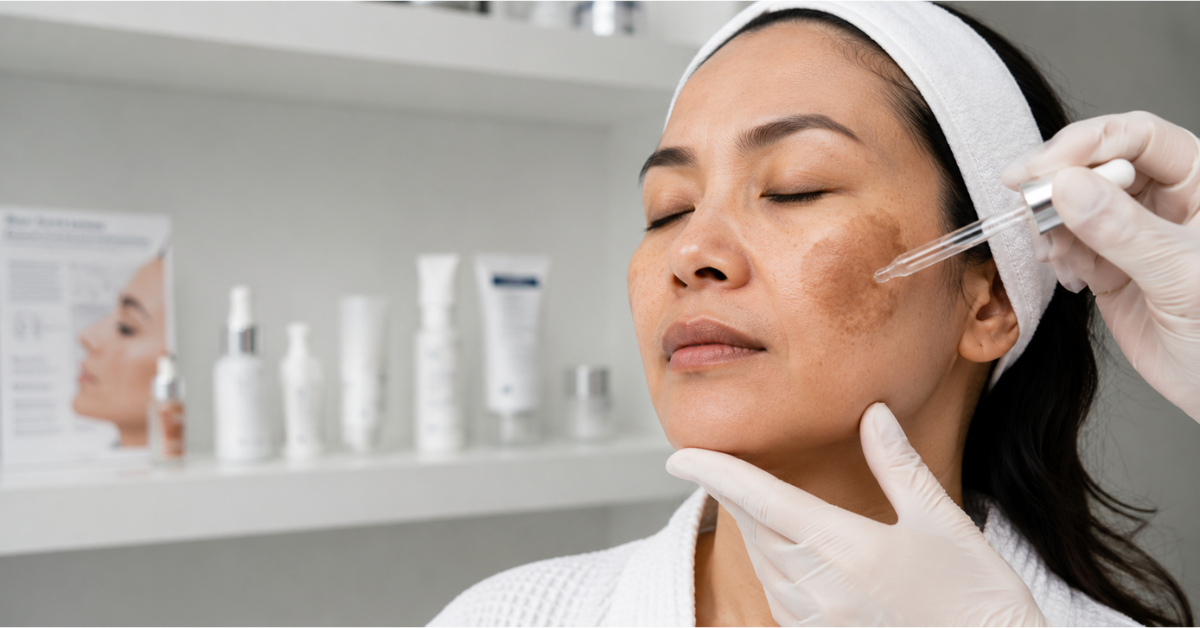
Adjusting your routine for humidity is one thing — but if your skin is already congested, broken out, or damaged from the wrong products, you need more than a product swap to reset it. At Malka Med Spa, the licensed skincare professionals help clients build climate-appropriate routines and treat the damage that humid weather accelerates.
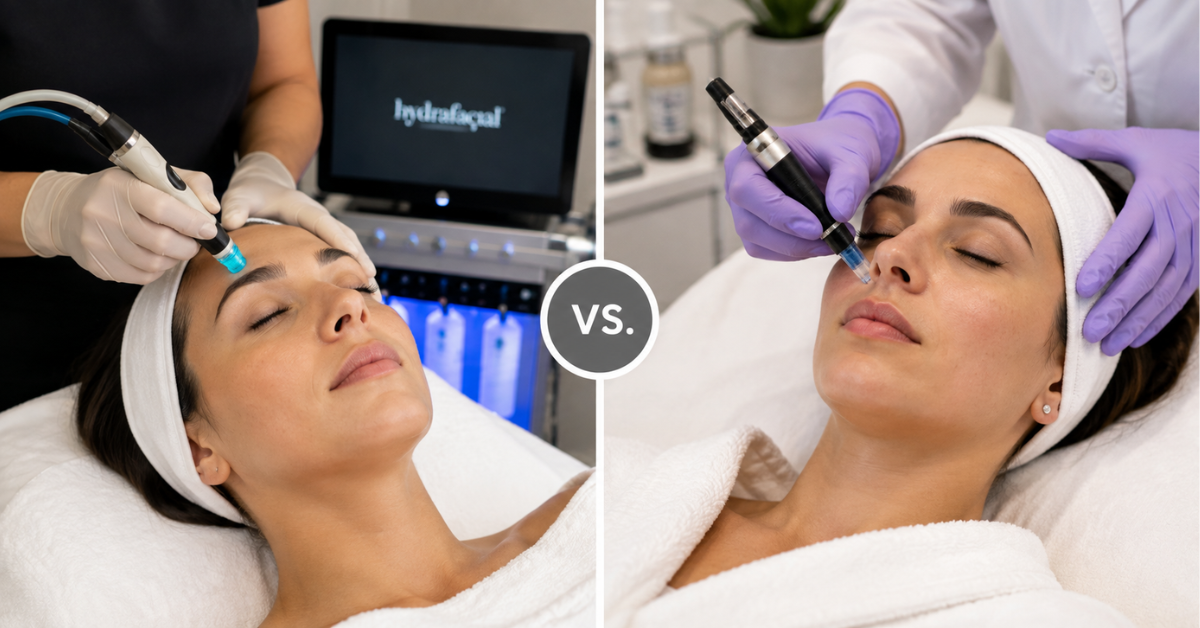
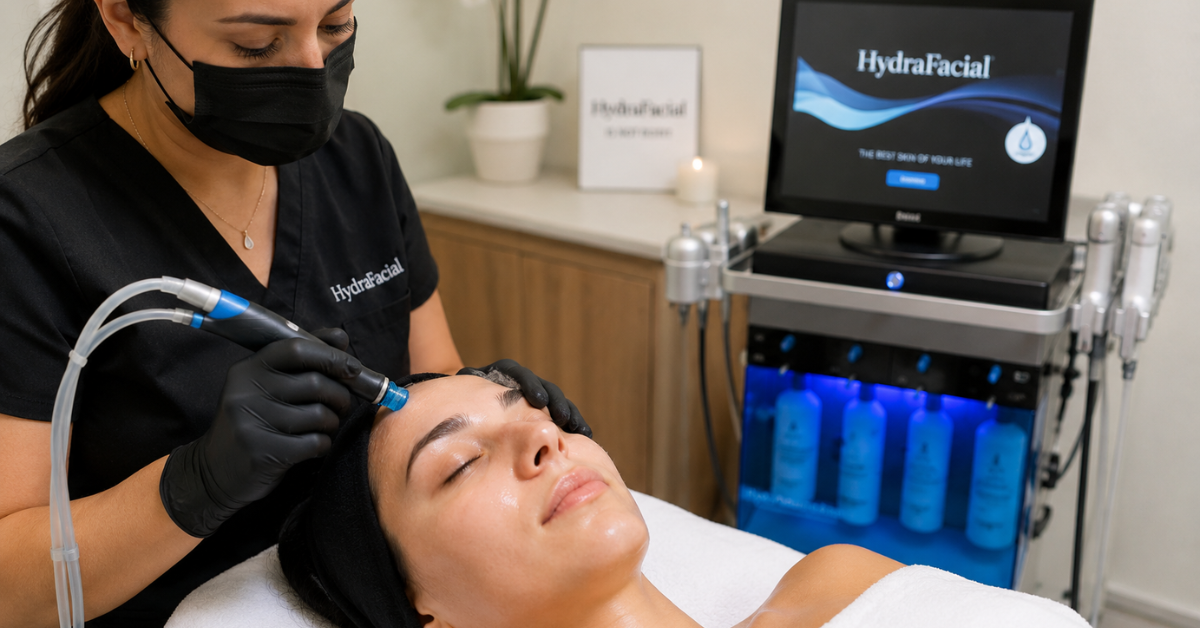
HydraFacials deeply cleanse, exfoliate, and hydrate simultaneously — making them one of the most effective treatments for clearing the congestion that humidity causes. Chemical peels remove the dead cell and debris buildup that clogs pores in hot weather. And personalized consultations ensure your home routine is actually suited to your skin type and your climate — not just copied from a skincare influencer in a different country. Visit malkaspa.com to book a consultation and get a skincare plan built for the climate you actually live in.
Daily Habits That Protect Your Skin in Humid Weather
Your skincare products only do so much. These daily habits seal the results.
Change your pillowcase every 2–3 days. In humid climates, sweat transfers to your pillowcase faster. Sleeping on a clean surface every few nights reduces bacteria transfer to your face overnight.
Keep your hands off your face. Touching your face moves sweat, oil, and bacteria directly into your pores. In humid weather — when all three are more abundant — this habit causes more breakouts than most people expect.
Use blotting papers instead of powder to control midday shine. Layering powder over sweat and oil creates a congested film. Blotting papers absorb oil without adding anything to the skin.
Drink more water than you think you need. Sweating increases fluid loss significantly. Dehydrated skin overproduces oil — keeping hydration up internally helps regulate sebum production from the inside out.
Frequently Asked Questions
Q: Should I use toner in a humid climate?
A: Yes — a hydrating, alcohol-free toner with niacinamide or green tea extract balances oil and supports your skin barrier without stripping it. Avoid alcohol-based toners, which trigger rebound oiliness.
Q: Does humidity cause acne?
A: Humidity does not directly cause acne, but it accelerates the conditions that lead to it — excess oil, sweat, bacteria buildup, and clogged pores — especially if your skincare routine is not adjusted accordingly.
Q: Can I skip moisturizer in humid weather?
A: No. Skipping moisturizer causes your skin to overproduce oil to compensate for dehydration, making oiliness and congestion worse. Switch to a lightweight, water-based formula instead of eliminating this step.
Q: What is the best SPF formula for humid climates?
A: A lightweight fluid, gel, or invisible-finish SPF 30 or higher. Avoid thick mineral sunscreens unless they are specifically formulated to be lightweight — they mix with sweat and feel uncomfortable in hot, humid conditions.
Q: How often should I exfoliate in humid weather?
A: Two to three times per week using a chemical exfoliant like salicylic acid or glycolic acid. More than that weakens your skin barrier and triggers excess oil production as a stress response.
Conclusion
Humidity demands a lighter, smarter approach to skincare — not more products, but better-matched ones. The best skincare tips for humid climates come down to a few core principles: cleanse thoroughly, hydrate without heaviness, protect with a lightweight SPF, and exfoliate consistently without overdoing it. Small daily habits — clean pillowcases, blotting papers, hands off your face — compound over time and make a visible difference. When you need a deeper reset or a personalized routine built around your actual climate and skin type, the team at Malka Med Spa is ready to help. Drop your biggest humid-weather skin struggle in the comments — or explore our next guide on the best treatments for oily and combination skin.