HydraFacial vs Microneedling | Which Is Better for You?
Both treatments show up on nearly every "best facial" list, both promise brighter, healthier-looking skin, and both are genuinely effective — which makes it easy to assume they're interchangeable and pick whichever one a friend mentioned last. They're not interchangeable. HydraFacial and microneedling work through completely different mechanisms, target different layers of the skin, and suit fairly different goals, which means the "better" one really depends on what your skin actually needs.
This article walks through how each treatment actually works, what each one is genuinely best at, how much downtime and discomfort to expect from each, how often you'd realistically book each one, whether they can be combined, and how to think through which one fits your specific skin concerns.
How Each Treatment Actually Works
HydraFacial: Cleansing, Extraction, and Hydration in One Session
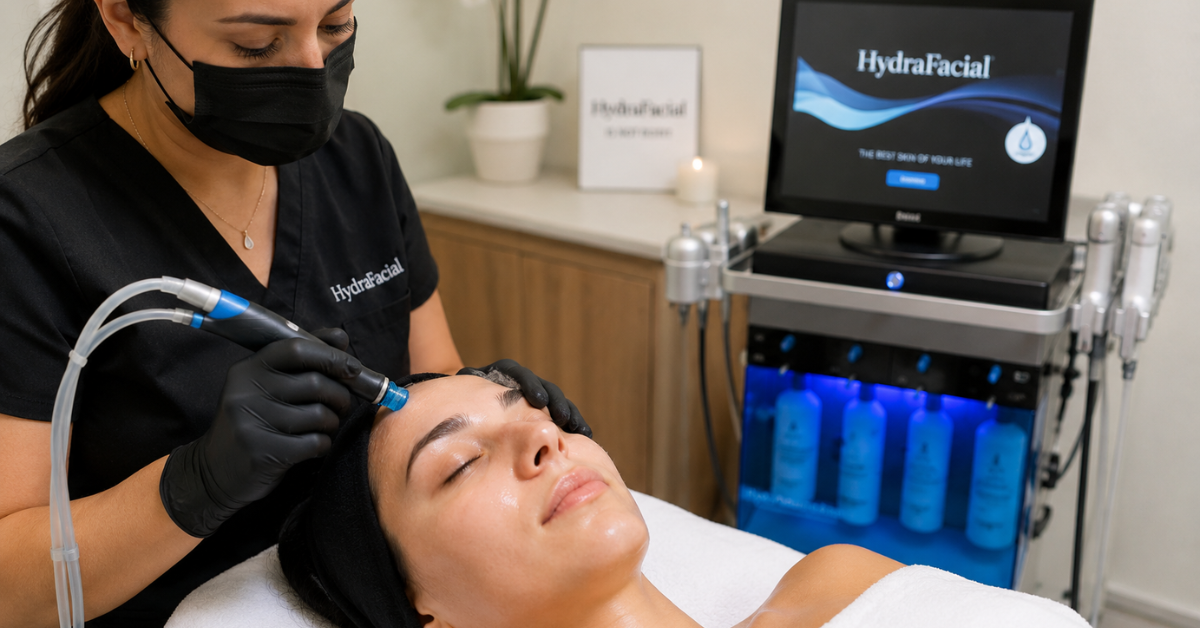
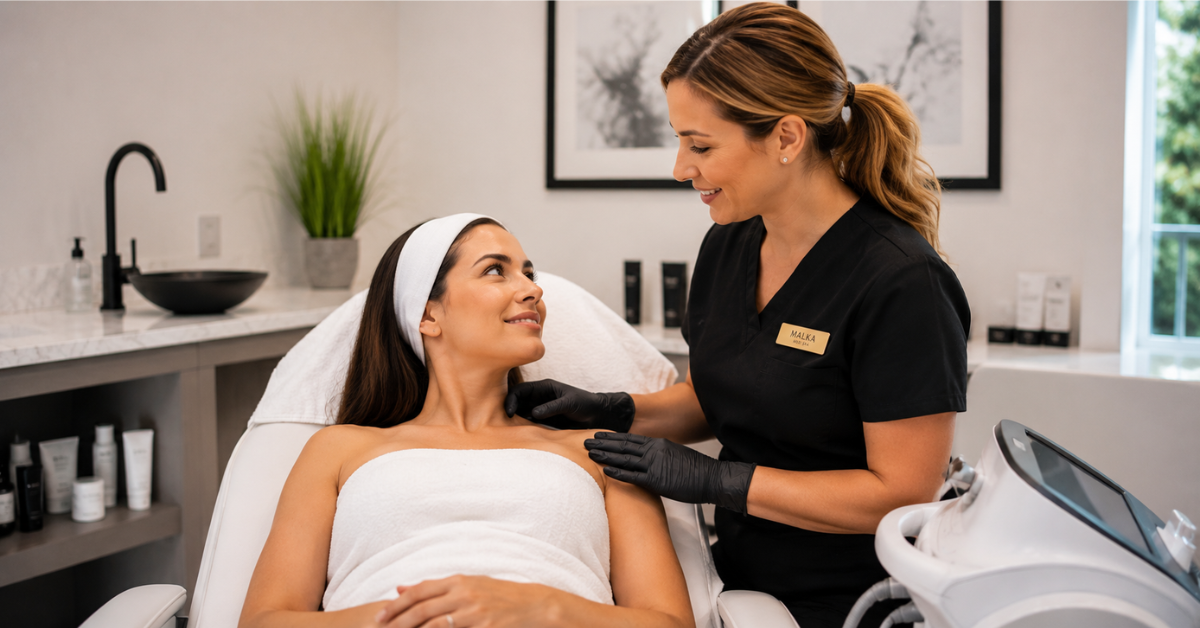
HydraFacial uses a specialized device with vortex-fusion technology to cleanse, exfoliate, extract impurities, and infuse the skin with hydrating serums and antioxidants, all within a single 30-to-45-minute session. It works entirely on the surface and upper layers of the skin — there's no needling or injury involved, which is why results appear immediately and there's essentially no recovery period.
HydraFacial vs Chemical Peel: Which One Is Better?
Microneedling: Triggering Collagen Through Controlled Micro-Injury
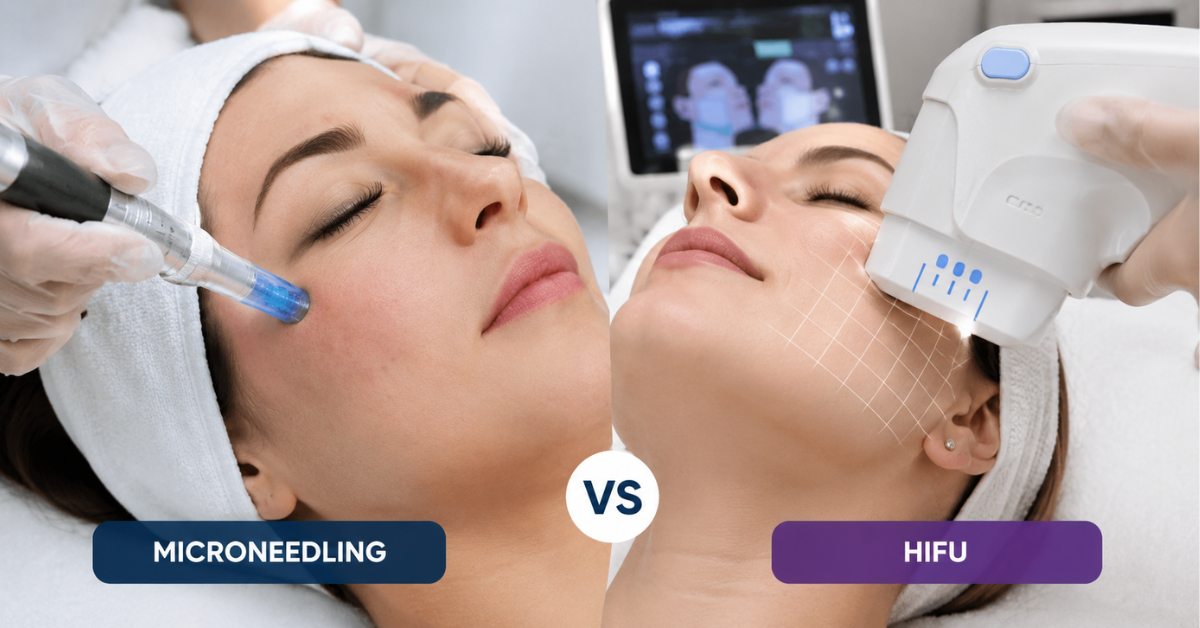
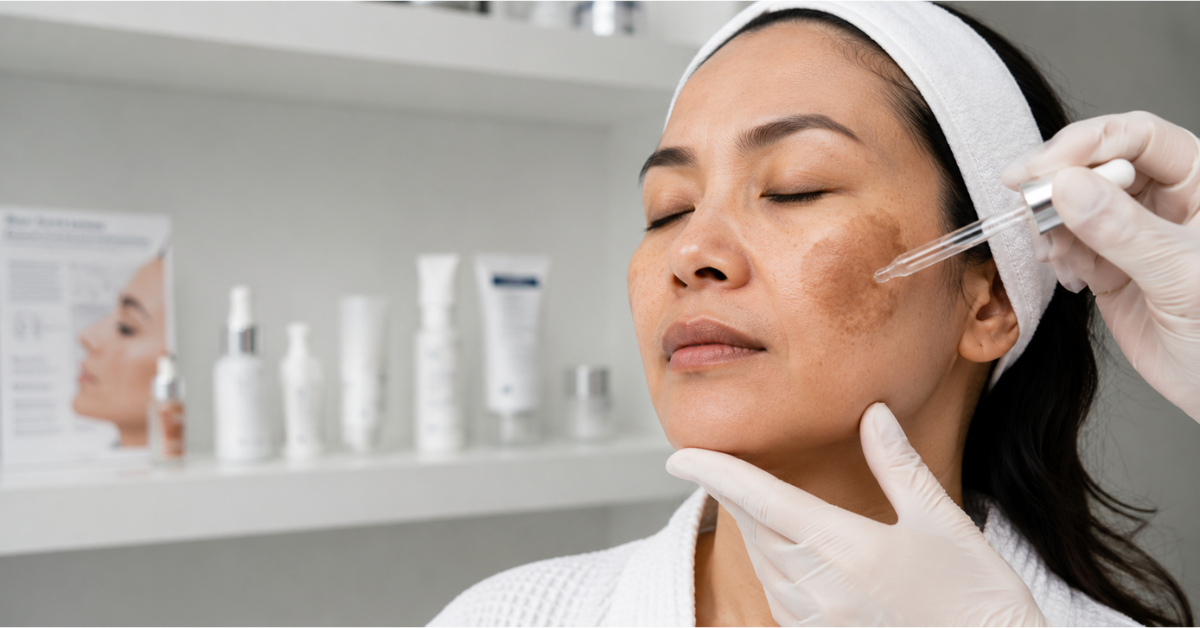
Microneedling takes a different approach entirely. A device with fine needles creates controlled micro-injuries across the skin, prompting the body's natural healing response, which includes new collagen and elastin production. Because it works below the surface rather than just on it, the results build gradually over the weeks following treatment as the skin repairs and remodels itself, rather than showing up all at once.
What Each One Is Best At
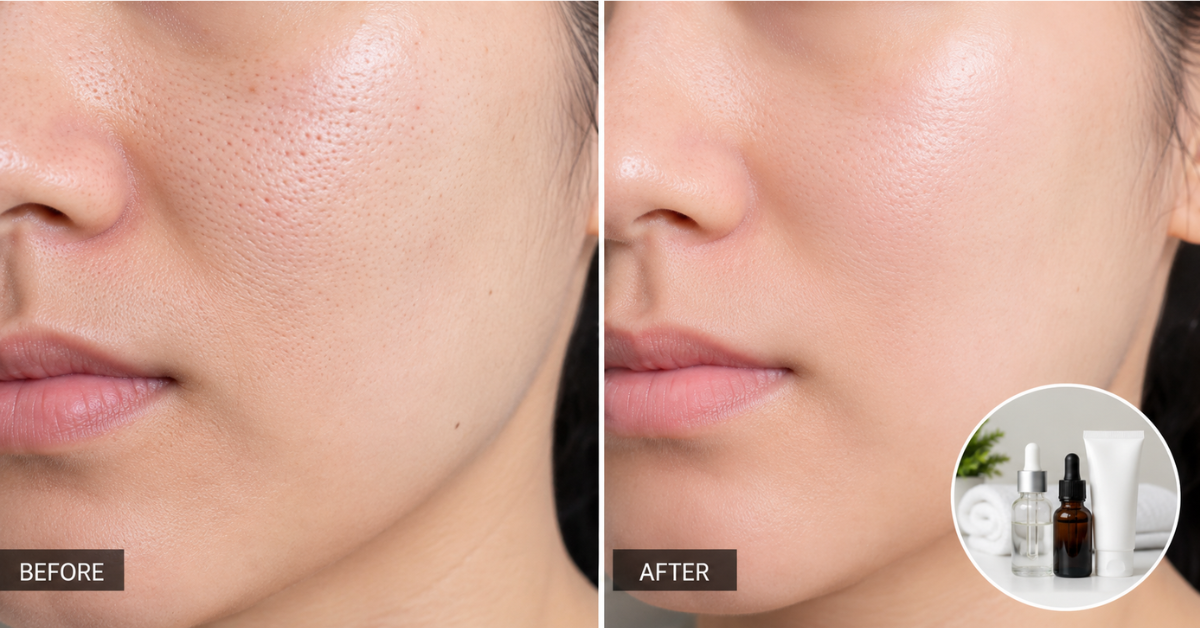
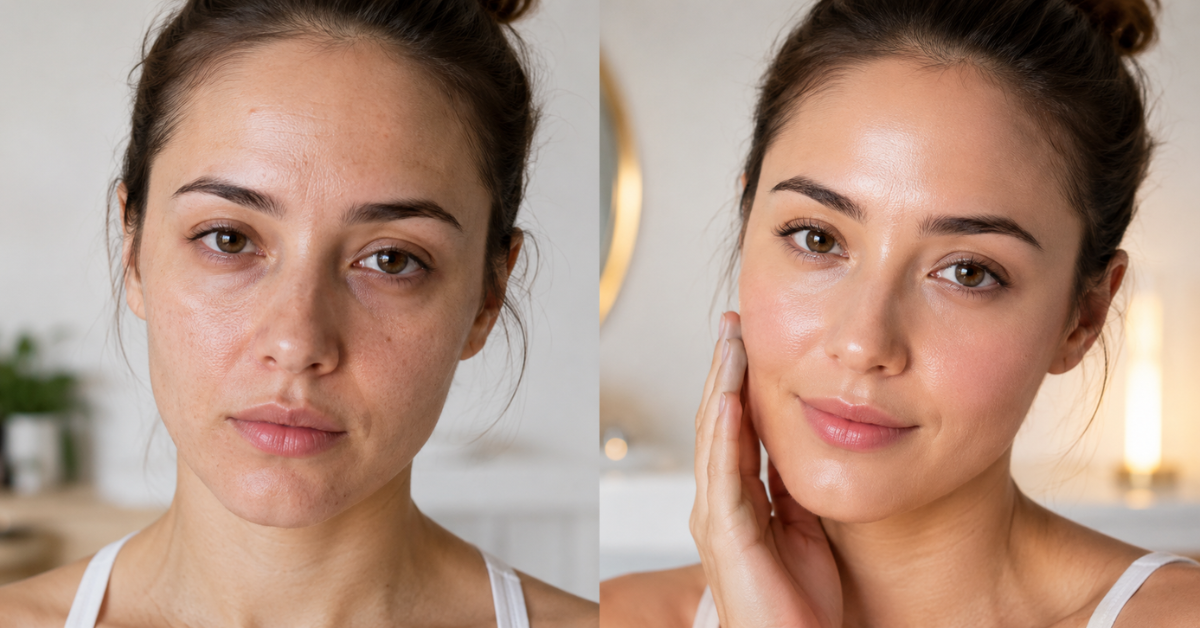
HydraFacial shines for hydration, congestion, dullness, and mild fine lines — it's the treatment that makes sense before an event when you want visibly better skin with zero downtime, and it's gentle enough to suit sensitive skin that might not tolerate more aggressive treatments well. It also addresses hyperpigmentation and general skin tone as part of its multi-step process.
Microneedling is the stronger choice for deeper textural concerns — acne scarring, more noticeable fine lines and wrinkles, and overall skin firmness — because it works by rebuilding collagen rather than just refreshing the surface. It's a better fit when the goal is longer-term structural improvement rather than an immediate glow.
Microneedling vs HIFU: Which Treatment Should You Choose?
Downtime and Comfort
This is one of the clearest differences between the two. HydraFacial involves little to no downtime — some people notice mild, temporary redness that typically resolves within a few hours, and most return to normal activities immediately afterward. Microneedling, because it deliberately creates micro-injuries, usually comes with visible redness and mild swelling for anywhere from a few hours to a few days, depending on treatment intensity and individual skin. Neither is generally described as painful, but microneedling is the more involved treatment of the two in terms of recovery.
How Often You'll Need Each One
HydraFacial is often done as a series initially, followed by maintenance sessions roughly every four to six weeks to sustain results, which makes it easy to fold into a regular skincare routine. Microneedling is typically spaced further apart, since the skin needs time to fully complete its collagen-rebuilding process between sessions — a series over several months is common for addressing scarring or more significant texture concerns, with less frequent maintenance after that.
Can You Combine Them?
Yes, and many people do — the two treatments aren't competing approaches so much as tools that address different layers of the same overall goal. A common approach uses microneedling to work on deeper texture and collagen over a series of sessions, with HydraFacial sessions worked in between or afterward to maintain hydration and surface radiance. Whether combining them makes sense for you specifically depends on your skin's current condition and goals, which is worth discussing directly with a provider rather than assuming more treatment is automatically better.
The Ultimate Guide to Cleaning & Hydration for Glowing Skin
Which One Fits You?
If your main concerns are dullness, dehydration, congestion, or you want a quick refresh with no recovery time, HydraFacial is generally the better starting point. If you're dealing with acne scarring, more pronounced fine lines, or general loss of skin firmness and you're comfortable with a few days of visible redness, microneedling is likely to produce more meaningful long-term change. And if you're not sure which category your skin falls into, that's a completely normal place to start — it's exactly what a consultation is for.
Getting a Personalized Recommendation
Because the right choice depends on your specific skin, not a general rule, an in-person assessment tends to be more useful than picking based on a list of pros and cons alone. Malka Med Spa serves Little Elm and nearby communities, and a consultation is the most reliable way to find out whether HydraFacial, microneedling, or a combination of both fits your skin's actual needs.
Frequently Asked Questions
Q: Is HydraFacial or microneedling better for acne scars?
A: Microneedling is generally the stronger option for acne scarring, since it works by stimulating collagen production below the surface rather than primarily refreshing the top layer of skin.
Q: Which treatment has less downtime?
A: HydraFacial has little to no downtime, with results visible immediately, while microneedling typically involves a few hours to a few days of redness and mild swelling.
Q: Can I get a HydraFacial and microneedling in the same month?
A: Often yes, when spaced appropriately and planned with a provider, since the two treatments work on different layers of the skin and are commonly combined as part of a broader skincare plan.
Q: How soon will I see results from each treatment?
A: HydraFacial results are visible immediately after the session, while microneedling results build gradually over the weeks following treatment as the skin's collagen production increases.
Q: Is one of these treatments better for sensitive skin?
A: HydraFacial is generally considered the gentler option and is well suited to sensitive skin, while microneedling can be adjusted in intensity but does involve more direct skin disruption.