Microneedling vs HIFU | Which Treatment Should You Choose?
Microneedling is best for improving texture, acne scars, and fine lines through collagen induction, while HIFU is better suited for lifting and tightening sagging skin on the face, neck, and jawline. Choosing between them depends on whether your main concern is skin texture or skin laxity.
Walk into any med spa consultation and you'll likely hear both treatments mentioned as options for youthful, refreshed skin, but they work in completely different ways and solve different problems. The microneedling vs HIFU debate comes up constantly with our clients, and picking the wrong one often means waiting months to see results that were never going to address your actual concern.
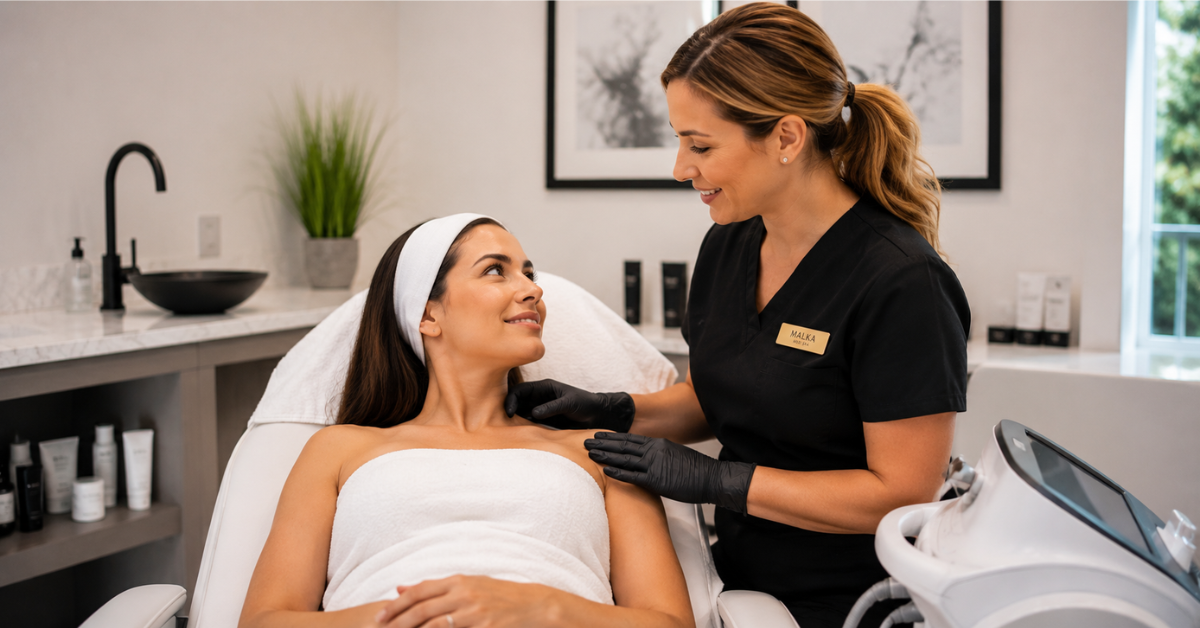
At Malka Med Spa, we perform both treatments regularly, and part of our job is helping clients understand which one actually matches what they're trying to achieve. In this guide, we'll break down exactly how each treatment works, what results to expect, and how to decide which one fits your skin.
How Microneedling Works
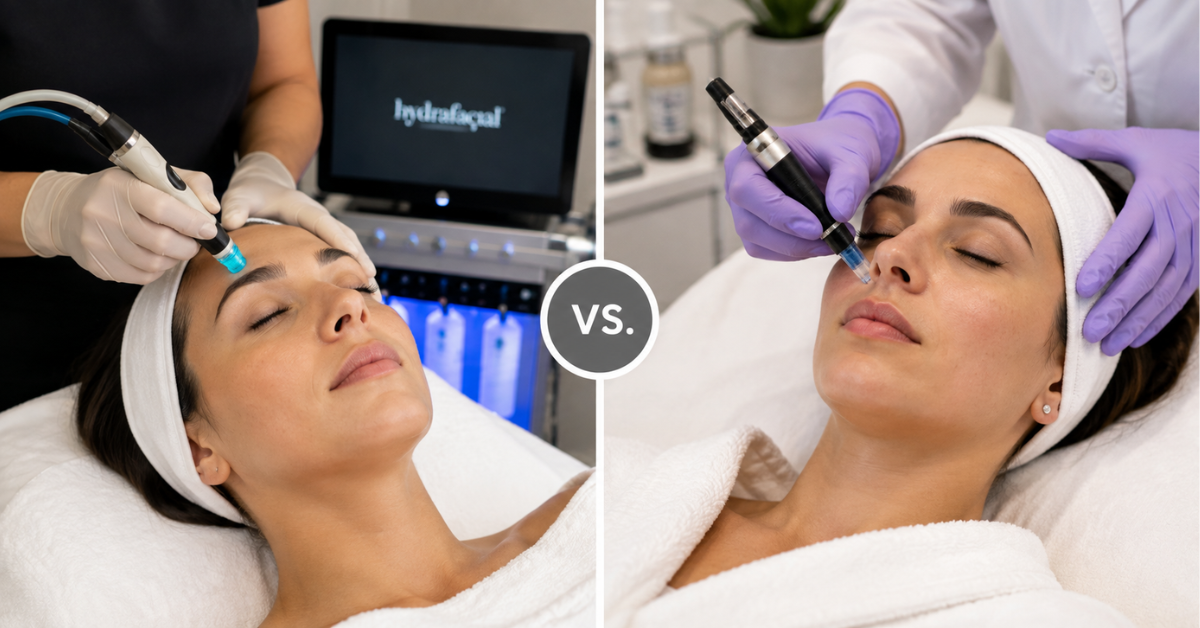
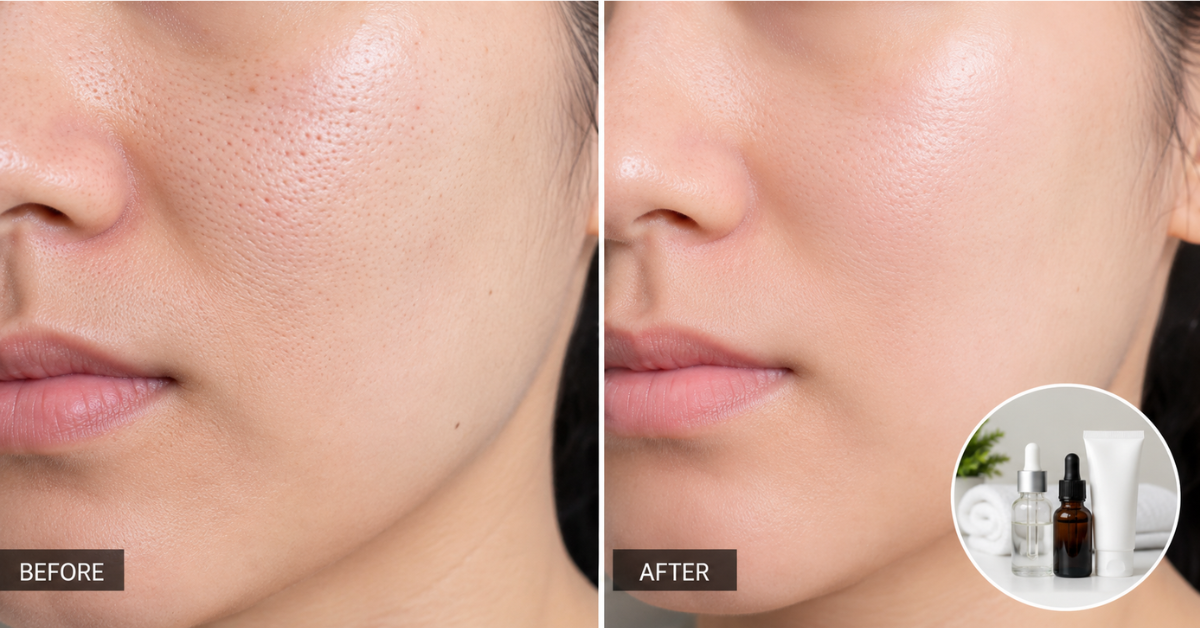
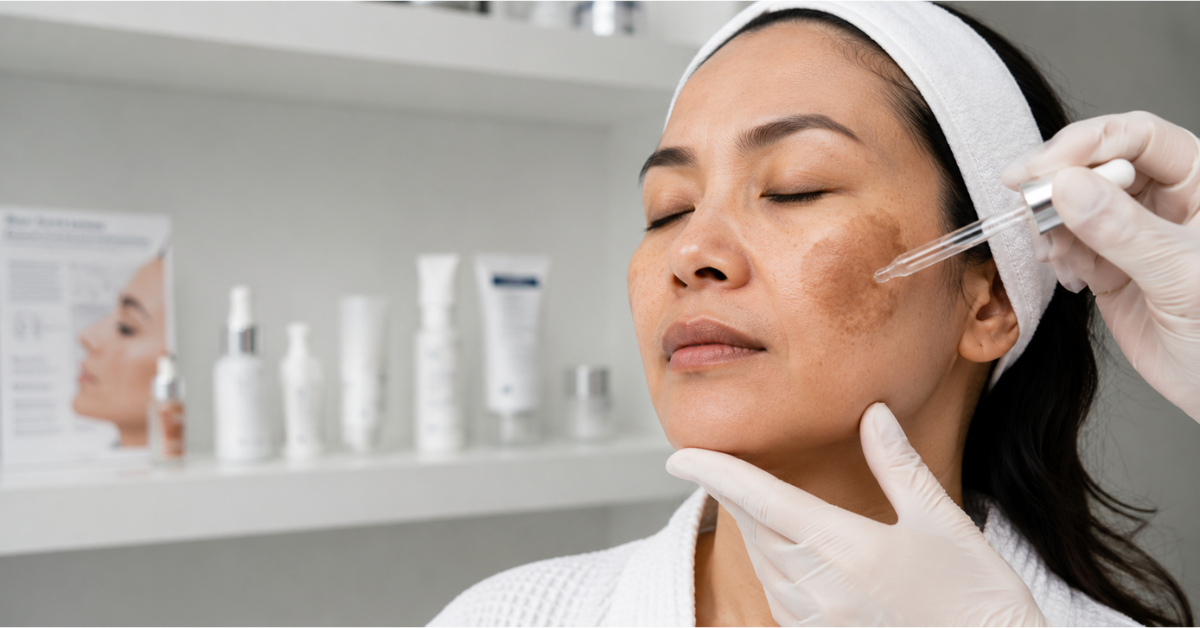
Microneedling uses fine needles to create controlled micro-injuries in the skin's surface, triggering your body's natural wound-healing response. This process stimulates collagen and elastin production, which gradually improves texture, tone, and the appearance of scars over the following weeks.
Because the treatment works at a surface and mid-dermal level, it's particularly effective for concerns tied to skin quality rather than structural sagging, think acne scarring, enlarged pores, and fine lines rather than a drooping jawline.
How HIFU Works
HIFU, or High-Intensity Focused Ultrasound, takes a completely different approach. Instead of creating surface injuries, it delivers focused ultrasound energy deep into the skin's foundational layers, the same layer targeted during a surgical facelift.
This heat energy triggers collagen production at a deeper structural level, gradually lifting and tightening skin over the following months. HIFU is often described as a non-surgical facelift precisely because it targets the deeper support structures that cause sagging, rather than surface-level texture.
Microneedling vs HIFU: Key Differences
What Each Treatment Targets
Microneedling primarily improves skin texture, acne scars, enlarged pores, and fine lines by working at the surface and mid-dermal layers. HIFU primarily addresses sagging and laxity in the jawline, neck, and brow area by targeting deeper structural layers.
If your main concern is uneven texture or old acne scarring, microneedling is the more direct solution. If you're noticing jowls, a softening jawline, or looser neck skin, HIFU is built specifically for that concern.
Downtime and Recovery
Microneedling typically involves redness and mild sensitivity for one to three days, with most clients returning to normal activities almost immediately. HIFU generally has minimal visible downtime, though some clients experience temporary swelling or tenderness in the treated area for a few days.
Neither treatment requires the extended recovery associated with surgical procedures, which is a big part of their appeal for busy clients.
Timeline for Results
Microneedling results build gradually, with noticeable texture improvement typically appearing within four to six weeks after a session, often requiring a series of treatments for optimal results. HIFU results take longer to fully materialize, usually showing gradual lifting and tightening over two to three months as collagen remodeling continues beneath the surface.
Patience matters with both treatments, since neither delivers the immediate transformation some clients expect walking in.
Number of Sessions Needed
Microneedling is often performed in a series, with three to six sessions spaced several weeks apart recommended for concerns like acne scarring or significant texture issues. HIFU is typically done as a single session, with effects lasting twelve to eighteen months before a touch-up is needed to maintain results.
This difference in treatment frequency is worth factoring into your decision, both for scheduling and for overall cost across a full treatment plan.
Discomfort Level
Microneedling discomfort is generally mild to moderate, often manageable with topical numbing cream applied before the session. HIFU tends to involve a slightly higher discomfort level during treatment, since the ultrasound energy penetrates deeper layers, though it's still tolerable for most clients and doesn't require extensive downtime afterward.
Can You Combine Microneedling and HIFU?
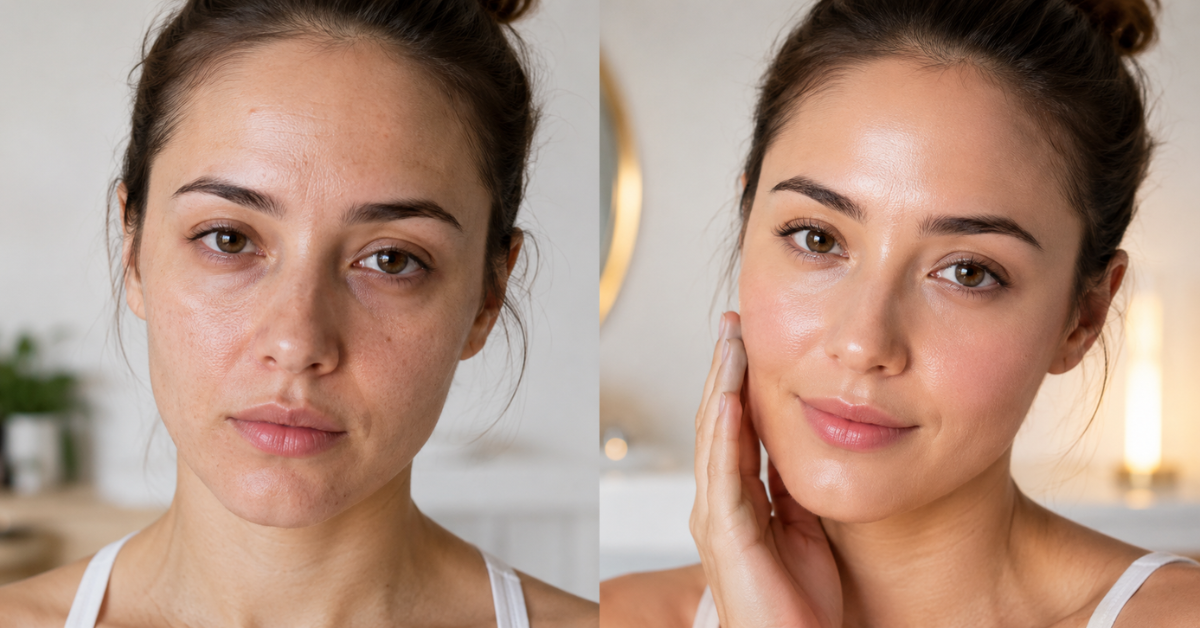
For clients dealing with both texture concerns and sagging skin, combining the two treatments is often the most effective approach rather than choosing one over the other. Many clients start with HIFU to address structural laxity, then follow up with microneedling sessions to refine surface texture once the deeper lifting has taken hold.
This combined approach lets each treatment do what it does best, rather than asking a single treatment to address concerns it wasn't designed for.
Which Treatment Is Right for You?
The right choice really comes down to your primary concern, not which treatment sounds more advanced or trendy.
Choose microneedling if your main concerns are acne scarring, enlarged pores, uneven texture, or early fine lines, and you're comfortable with a series of sessions over several months. Choose HIFU if you're noticing jawline softening, neck laxity, or sagging around the brow, and you want a single-session treatment with longer-lasting structural results.
If you're not sure which concern is actually driving what you see in the mirror, a consultation can help pinpoint whether your issue is textural or structural, since the two are easy to confuse without a trained eye.
Final Thoughts
Microneedling vs HIFU isn't really a competition, since both treatments solve different problems using entirely different mechanisms. Microneedling refines texture from the surface up, while HIFU lifts and tightens from the foundation down, and understanding that distinction makes the decision much clearer.
If you're unsure which treatment matches your skin goals, Malka Spa can walk you through a personalized consultation and recommend the right approach, or combination, for your specific concerns. Reach out to our team, and let's figure out exactly what your skin needs.
FAQ
Q: Is microneedling or HIFU better for wrinkles?
A:
It depends on the type of wrinkle. Microneedling works best for fine lines from texture loss, while HIFU is better for deeper sagging that causes wrinkles around the jawline and neck.
Q: How long do HIFU results last compared to microneedling?
A: HIFU results typically last twelve to eighteen months. Microneedling results last several months but often require touch-up sessions sooner to maintain texture improvements.
Q: Can I do microneedling and HIFU together?
A: Yes, combining both treatments is common and effective. Many clients use HIFU for structural lifting and microneedling for surface texture refinement.
Q: Which treatment has more downtime, microneedling or HIFU?
A: Microneedling typically has slightly more visible downtime, causing redness for one to three days, while HIFU downtime is usually limited to mild swelling.
Q: Does HIFU hurt more than microneedling?
A: Yes, HIFU generally causes more discomfort during treatment since it targets deeper layers, though both treatments are tolerable for most clients.