Collagen Loss | Causes and How to Restore It
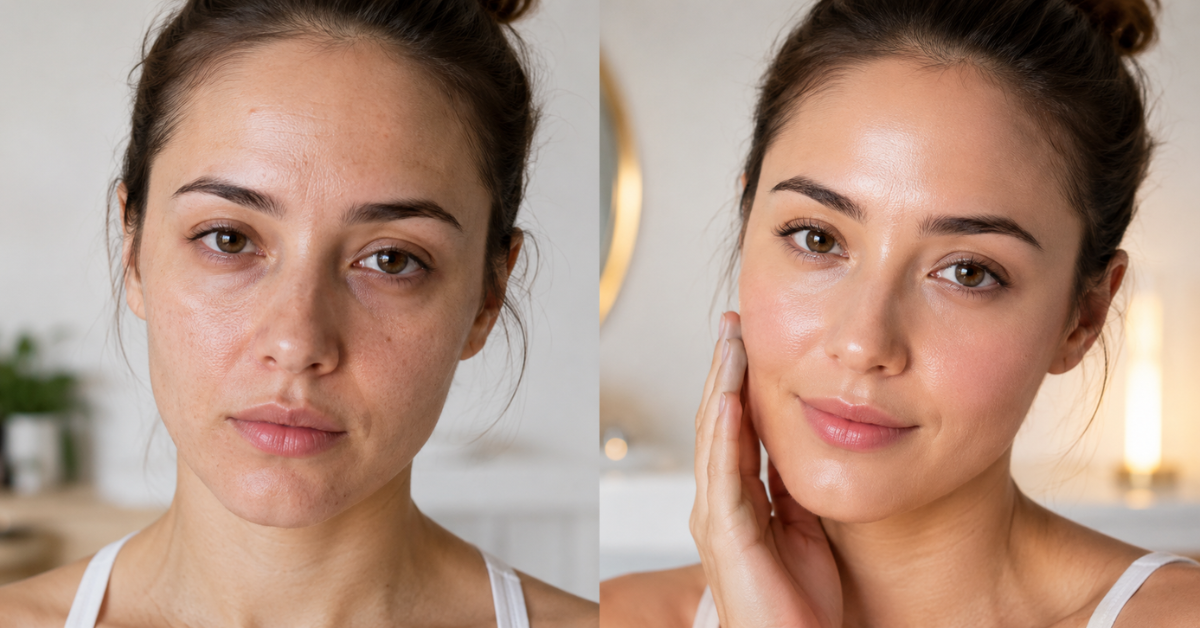
Your skin felt firm and bouncy once. Now it looks a little looser, a little duller — and you're not sure why. Collagen loss is the answer. It's the single most important factor behind sagging skin, fine lines, and that "tired" look that no amount of sleep seems to fix. The good news? You can do something about it.
This guide breaks down exactly what causes collagen to break down, what signs to watch for, and — most importantly — how to restore it with treatments that actually work.
What Is Collagen and Why Does It Matter?
Collagen is the most abundant protein in your body. It acts like a scaffolding system underneath your skin, keeping it firm, plump, and smooth. Think of it as the mattress springs beneath your skin's surface — when they're strong, everything looks lifted and tight.
Your body produces collagen naturally. However, production starts slowing down in your mid-20s. By the time you reach your 40s, your skin loses roughly 1% of its collagen every year. That number accelerates after menopause.
Less collagen means less structural support. That's when wrinkles deepen, skin starts to sag, and your complexion loses its natural glow.
How to Tighten Skin Without Surgery (Expert Guide)
The Main Causes of Collagen Loss
Understanding what destroys collagen helps you protect what you have — and restore what you've lost.
1. Age
Age is the unavoidable one. Your body's collagen-producing cells, called fibroblasts, slow down as you get older. This is a natural biological process, but lifestyle factors can make it happen much faster.
2. Sun Exposure
UV radiation from the sun is one of the biggest collagen killers. It breaks down collagen fibers directly and triggers enzymes called matrix metalloproteinases (MMPs) that destroy existing collagen. Daily SPF is non-negotiable if you want to protect your skin's structure.
3. Smoking
Smoking restricts blood flow to the skin and triggers a massive release of those same MMP enzymes. Smokers show significantly faster collagen breakdown than non-smokers of the same age — it's not subtle.
4. High Sugar Intake
Sugar triggers a process called glycation, where sugar molecules attach to collagen fibers and make them stiff and brittle. Glycated collagen breaks down faster and loses its elasticity. Cutting down on processed sugar genuinely helps your skin.
5. Chronic Stress
When you're constantly stressed, your body produces high levels of cortisol. Cortisol actively breaks down collagen and suppresses your skin's ability to repair itself. Stress management isn't just good for your mind — your skin depends on it too.
6. Poor Sleep
Your body repairs collagen while you sleep. When you consistently get less than 7 hours, you cut into your skin's recovery window. Poor sleep also raises cortisol levels, compounding the damage.
7. Pollution and Free Radicals
Environmental pollutants generate free radicals — unstable molecules that attack collagen and elastin. City living, car exhaust, and smoke all contribute. Antioxidant-rich skincare helps neutralize this damage.
Signs You're Losing Collagen Faster Than You Should
Your skin will tell you when collagen levels drop. Watch for:
- Fine lines and wrinkles forming around the eyes, mouth, and forehead
- Skin that looks loose or crepey, especially along the jawline and neck
- A dull, uneven complexion without natural luminosity
- Deeper nasolabial folds (the lines running from your nose to your mouth)
- Skin that doesn't bounce back quickly when you press it
If these sound familiar, you're not imagining it — and you're not powerless.
How to Restore Collagen: Professional Treatments That Deliver Real Results
Daily habits help maintain collagen, but professional treatments go deeper. They trigger your skin's own repair mechanisms and stimulate new collagen production at a cellular level. Here are the most effective options.
Microneedling — The Gold Standard for Collagen Induction
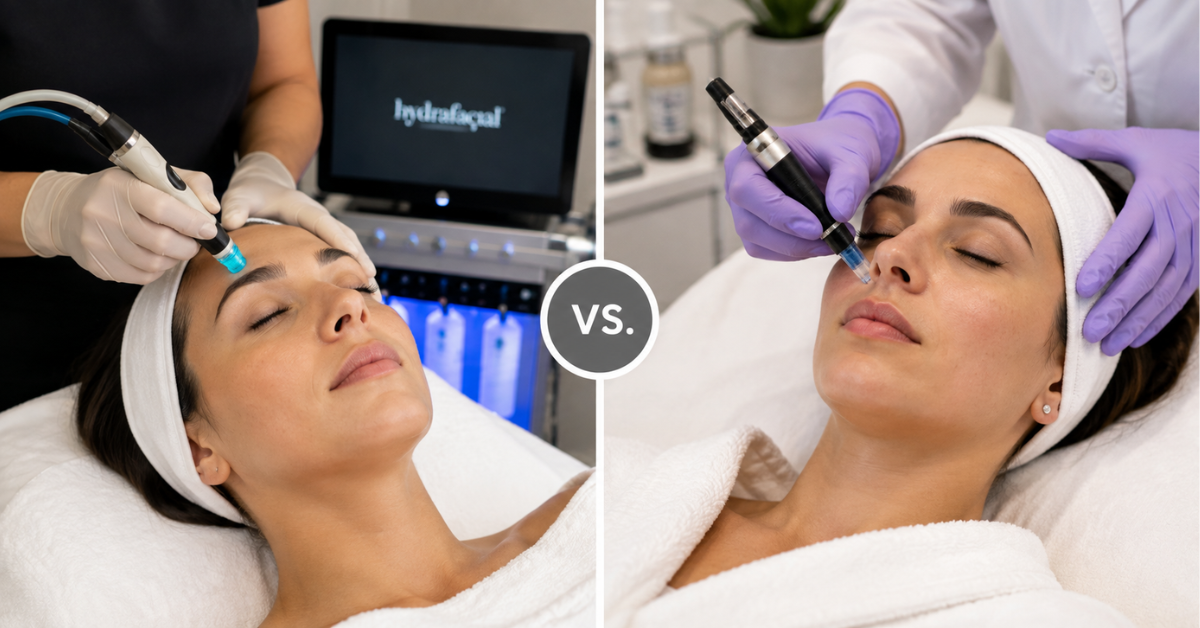
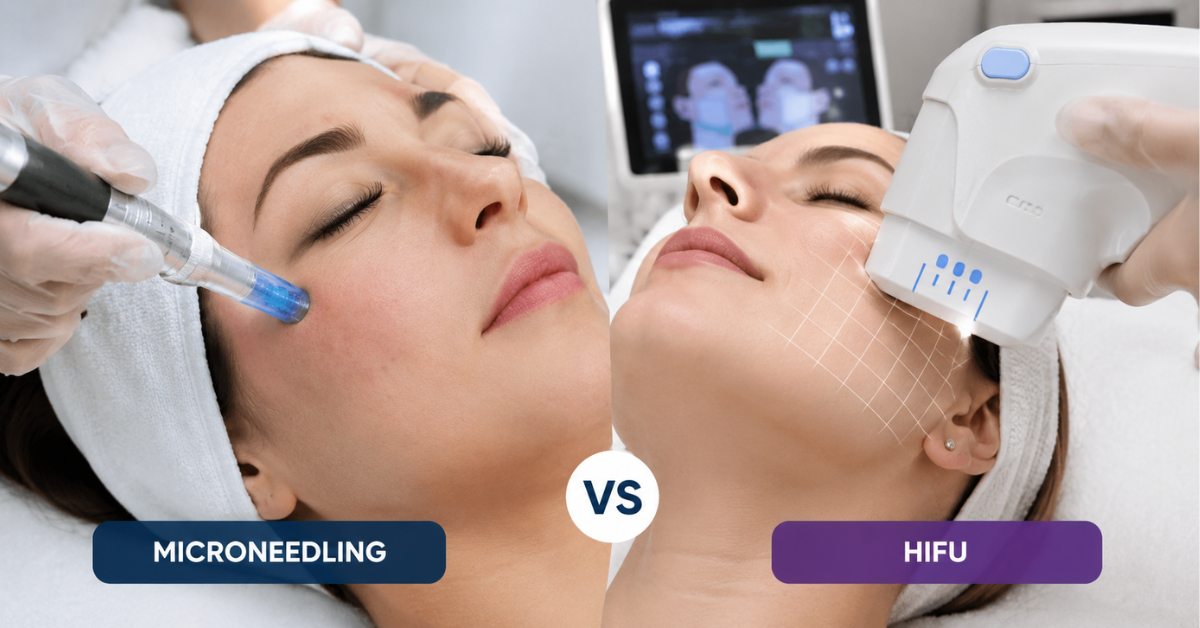
Microneedling creates thousands of tiny, controlled micro-injuries in the skin using ultra-fine needles. Your skin responds by going into repair mode, flooding the area with growth factors and producing new collagen and elastin.
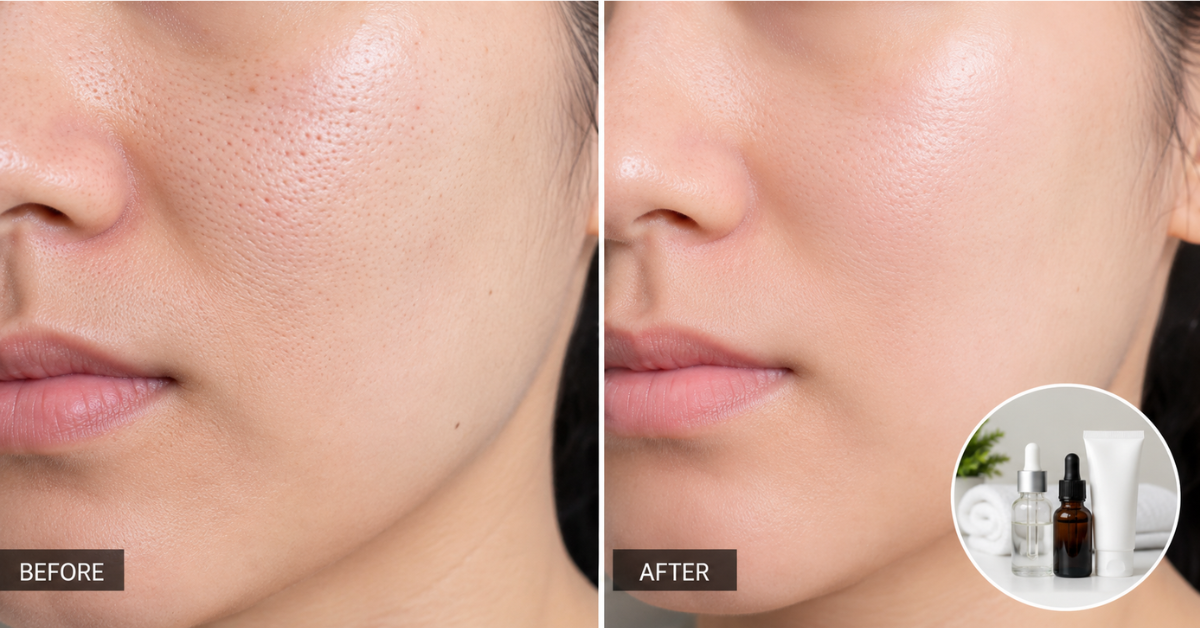
The results build gradually over 4–6 weeks as fresh collagen forms beneath the surface. Skin becomes firmer, smoother, and visibly more youthful. It works exceptionally well for fine lines, acne scars, and overall texture improvement.
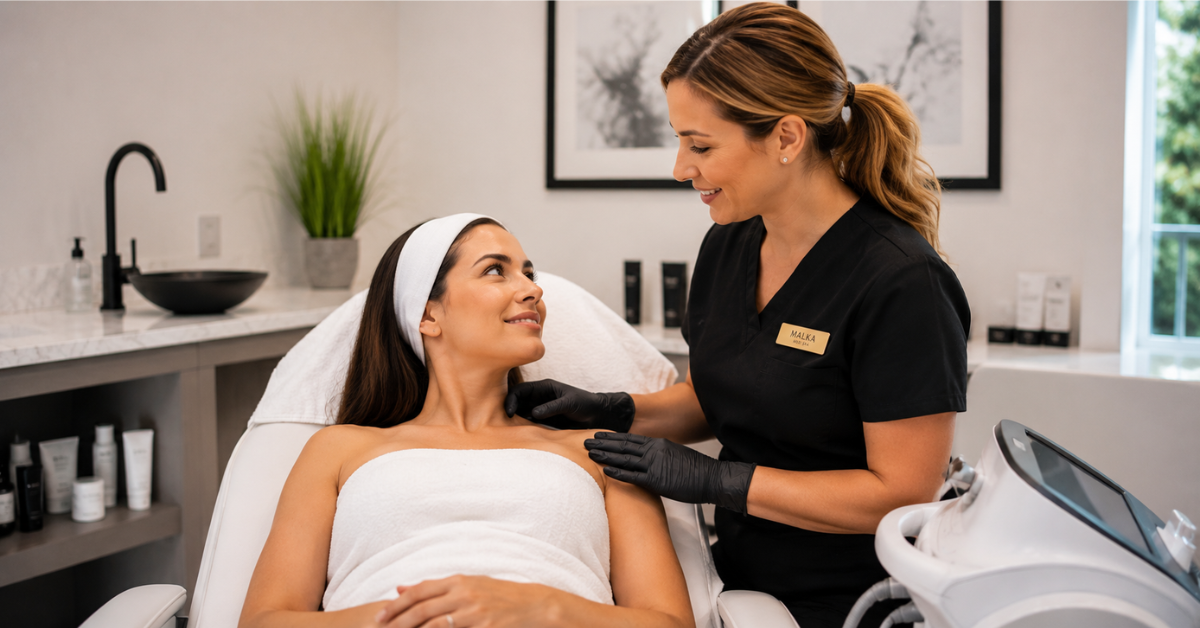
At Malka Med Spa, microneedling is one of the most requested treatments for clients who want visible, lasting collagen restoration without surgery or downtime.
HIFU — Lift and Tighten from the Inside Out
High-Intensity Focused Ultrasound (HIFU) targets the deep structural layers of your skin — the same layers a surgeon would reach during a facelift. It delivers focused ultrasound energy that heats tissue, which triggers an immediate tightening response and, over time, stimulates significant new collagen production.
HIFU is the treatment of choice for clients who want to address sagging skin on the face, jawline, and neck without a single incision. Results continue improving for up to 6 months as collagen rebuilds from within.
BioRePeel — Resurface and Rebuild
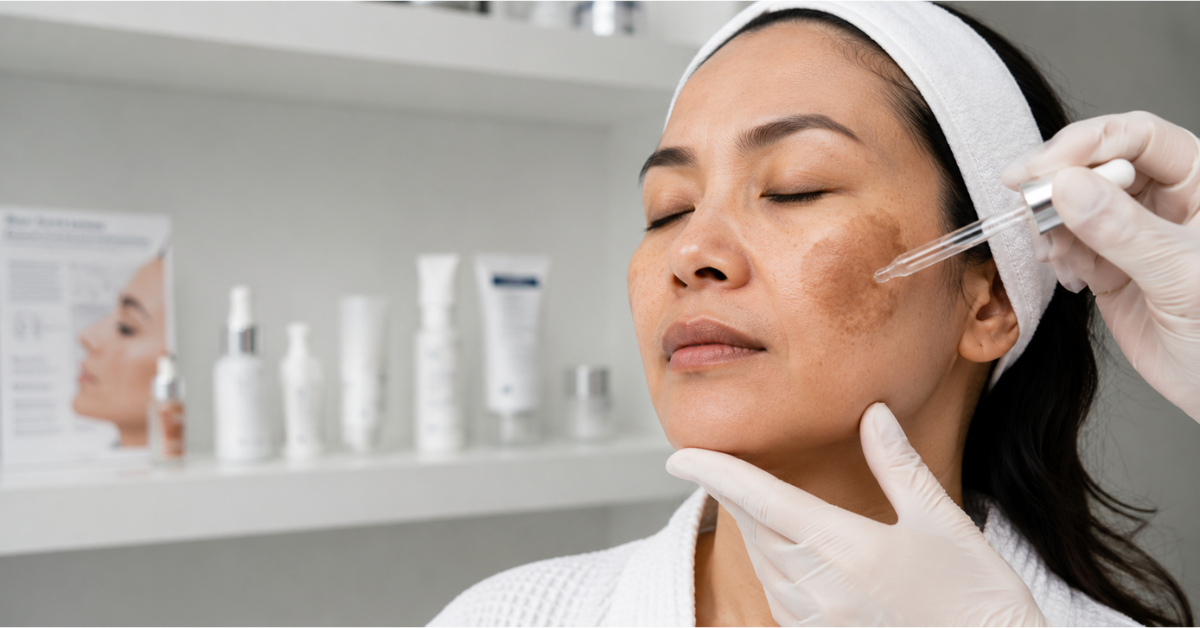
BioRePeel is a next-generation chemical peel that does far more than exfoliate. Its bi-phase formula penetrates deeply to stimulate fibroblast activity — the same cells responsible for producing collagen. It removes damaged surface skin while signaling the deeper layers to repair and regenerate.
The result is a brighter, smoother complexion with improved texture and a meaningful boost to collagen synthesis. There's no downtime, which makes it a popular option for clients with busy schedules.
Anti-Aging Treatments — Targeted Support for Mature Skin
Malka Med Spa's anti-aging treatments combine advanced modalities to address collagen loss on multiple levels simultaneously. These personalized protocols target fine lines, loss of firmness, and uneven skin tone — delivering comprehensive rejuvenation that goes well beyond what a single treatment can achieve.
Non-Surgical Face Lift — Maximum Lifting Without Surgery
For clients experiencing more significant collagen loss and skin laxity, the non-surgical face lift at Malka Med Spa combines technologies to lift, tighten, and contour the face. It rebuilds the skin's structural foundation, restores volume in the right places, and delivers results that genuinely rival surgical outcomes — without the recovery time.
EMS Face Sculpting — Tone the Muscles, Firm the Skin
EMS (Electrical Muscle Stimulation) works on a different level than most skin treatments. It stimulates the facial muscles beneath the skin, improving tone and definition while supporting the connective tissue above. Stronger facial muscles provide better structural support for your skin, enhancing the effects of collagen-building treatments.
What You Can Do at Home to Support Collagen
Professional treatments do the heavy lifting, but your daily habits either support or undermine the results.
Wear SPF every day. UV damage is the fastest way to destroy collagen. SPF 30 or higher, every single morning, is the most impactful thing you can do.
Eat protein and vitamin C. Collagen synthesis requires both. Eggs, chicken, fish, and legumes provide the amino acids your body needs. Vitamin C from citrus, berries, and leafy greens activates the enzymes that build collagen.
Stay hydrated. Dehydrated skin loses elasticity and shows collagen loss more dramatically. Eight glasses of water a day is the baseline.
Use a retinol at night. Retinoids stimulate fibroblast activity and proven increase collagen production. Start slowly if you're new to retinol.
Sleep 7–9 hours. Your skin repairs itself overnight. Protect that window.
When to Start Treating Collagen Loss
The best time to start is before you notice significant changes. Prevention is far easier than correction. If you're in your late 20s or 30s, treatments like BioRePeel and microneedling help you stay ahead of the aging curve. If you're in your 40s, 50s, or beyond, HIFU and non-surgical lift options provide the structural restoration your skin needs.
The worst approach is waiting. Collagen loss compounds over time — the earlier you invest in your skin, the better your long-term results.
Start Your Collagen Restoration at Malka Med Spa
At Malka Med Spa in Little Elm, TX, every treatment plan starts with understanding your skin. Our experienced team assesses your collagen levels, identifies the key causes of your specific concerns, and recommends the most effective combination of treatments for your goals.
Whether you're looking for your first microneedling session or a comprehensive non-surgical lift, we build a plan that fits your skin, your lifestyle, and your budget — with flexible payment options.
Frequently Asked Questions
Q: At what age does collagen loss become noticeable?
A: Most people start noticing visible signs of collagen loss in their early-to-mid 30s, though the biological decline begins in the mid-20s. Fine lines around the eyes and mouth are often the first signs, followed by gradual changes in skin firmness and texture.
Q: How many microneedling sessions do I need to restore collagen?
A: Most clients see significant improvement after 3–4 sessions spaced 4–6 weeks apart. Your skin produces new collagen for weeks after each session, so results build cumulatively. A skincare professional will recommend the right number based on your skin's current condition.
Q: Does HIFU really stimulate collagen production?
A: Yes. HIFU delivers focused ultrasound energy to the deep layers of the skin, which creates a controlled thermal effect that triggers collagen synthesis. Results appear gradually over 3–6 months as new collagen forms, with many clients seeing continued improvement beyond that.
Q: Can I restore collagen naturally at home?
A: You can support collagen production at home through diet, SPF, hydration, and retinol. However, home routines maintain and mildly stimulate collagen — they cannot match the depth of cellular stimulation that professional treatments like microneedling and HIFU provide.
Q: How long do professional collagen treatments last?
A: This depends on the treatment and how well you protect your results. Microneedling results typically last 6–12 months, while HIFU results can last 12–18 months or longer. Consistent sun protection and a strong at-home routine extend results significantly.