Do Adult Acne Scars Fade on Their Own?
Acne is frustrating enough in your teens, but when it follows you into adulthood—and leaves behind stubborn scars—it can feel like a never-ending struggle. Adult acne scars are a common concern for many individuals, and one question comes up time and again: Do adult acne scars fade on their own? The short answer is some scars may fade slightly over time, but most won’t completely disappear without some kind of treatment. Let’s explore why adult acne scars form, how long they can last, and what you can do to minimize or remove them effectively.
Understanding Adult Acne Scars
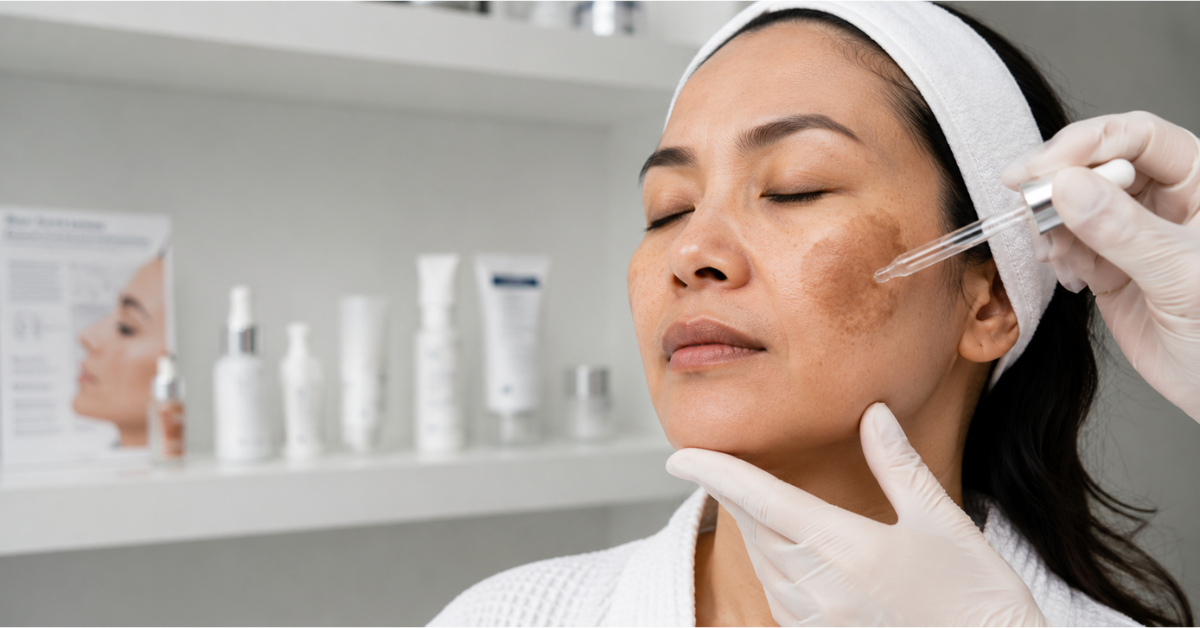
Adult acne scars typically form when breakouts become inflamed and damage the skin’s deeper layers. This damage triggers the skin’s natural healing process, but sometimes the tissue doesn’t regenerate perfectly. That’s when you end up with scars—either as depressions (atrophic scars), raised marks (hypertrophic scars), or discolored spots known as post-inflammatory hyperpigmentation (PIH).
Many adults experience a mix of these scar types, especially if they’ve dealt with cystic acne or frequent breakouts.
Do Acne Scars Fade Over Time?
Not all acne-related marks are permanent. Here's how different types of scarring respond naturally:
- Post-inflammatory hyperpigmentation (PIH): These flat, dark spots are not technically scars but often mistaken for them. They result from excess melanin production due to inflammation. PIH can fade over time, especially with sun protection and good skincare. However, it may take several months to years depending on your skin tone, severity, and whether you use any targeted treatments.
- Atrophic scars (like ice pick, boxcar, and rolling scars): These are depressions left behind when your skin loses collagen during the healing process. Unfortunately, these don’t fade significantly on their own and often require dermatological intervention to improve their appearance.
- Hypertrophic and keloid scars: Raised scars are more common in people with darker skin tones and may shrink a bit over time, but they rarely vanish without treatment.
In general, while mild discoloration can fade naturally, deeper textural acne scars tend to stick around unless treated.
Factors That Affect Natural Fading
Several factors determine how well your acne scars may fade on their own:
- Age: Younger skin heals faster and may regenerate better than mature skin.
- Skin type and tone: Darker skin tones may be more prone to lingering discoloration, while fairer skin may show redness for longer periods.
- Sun exposure: UV rays worsen the appearance of scars and slow down the fading process.
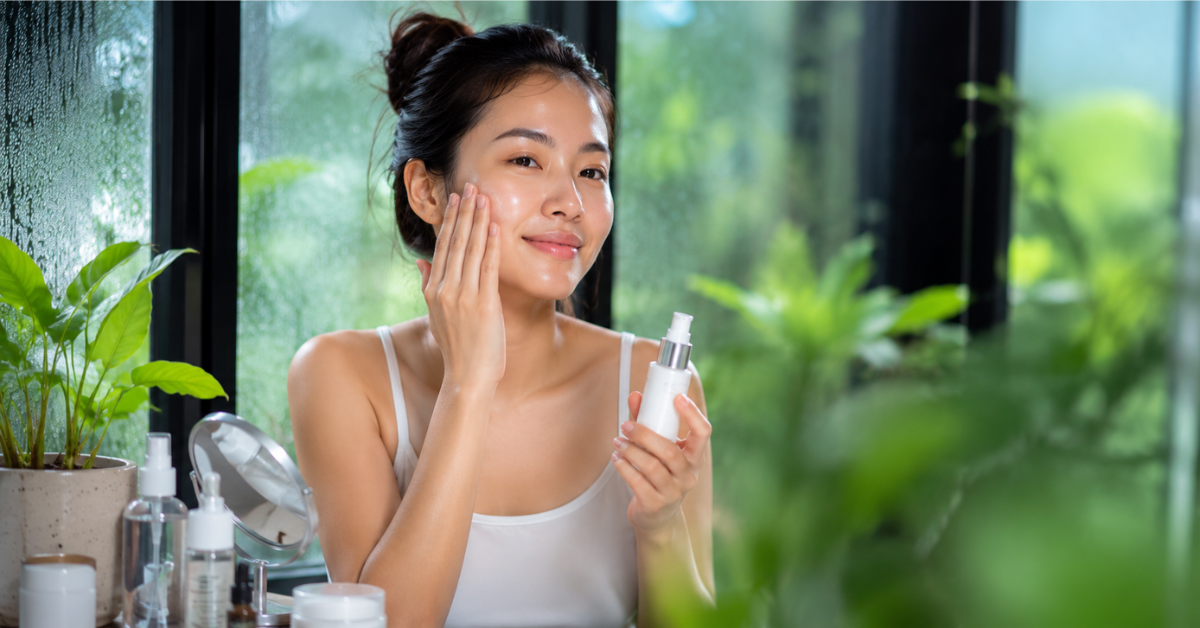
- Skincare routine: A poor skincare regimen can prolong healing, while the right products can accelerate fading.
Can Skincare Help?
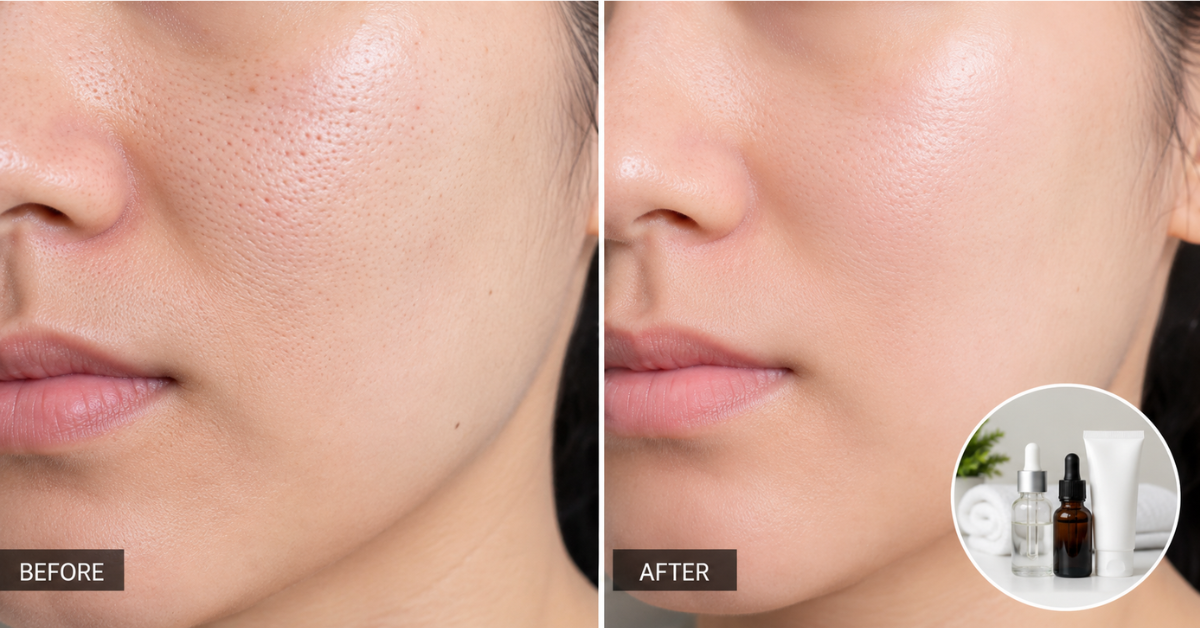
Yes, certain skincare ingredients can help fade dark marks and improve overall skin tone. While they may not erase deep scars, they can make a noticeable difference in surface-level pigmentation.
Here are some of the best over-the-counter options:
- Vitamin C: Helps brighten skin and fade pigmentation.
- Niacinamide: Reduces redness and promotes an even skin tone.
- Retinoids: Boost cell turnover and improve skin texture and tone.
- Alpha hydroxy acids (AHAs)
and
beta hydroxy acids (BHAs): Gently exfoliate the skin, which helps fade dark spots and smooth texture over time.
For optimal results, consistency is key—and don’t forget SPF. Sun protection is crucial, as UV damage can darken scars and make them more resistant to treatment.
When to Consider Professional Treatments
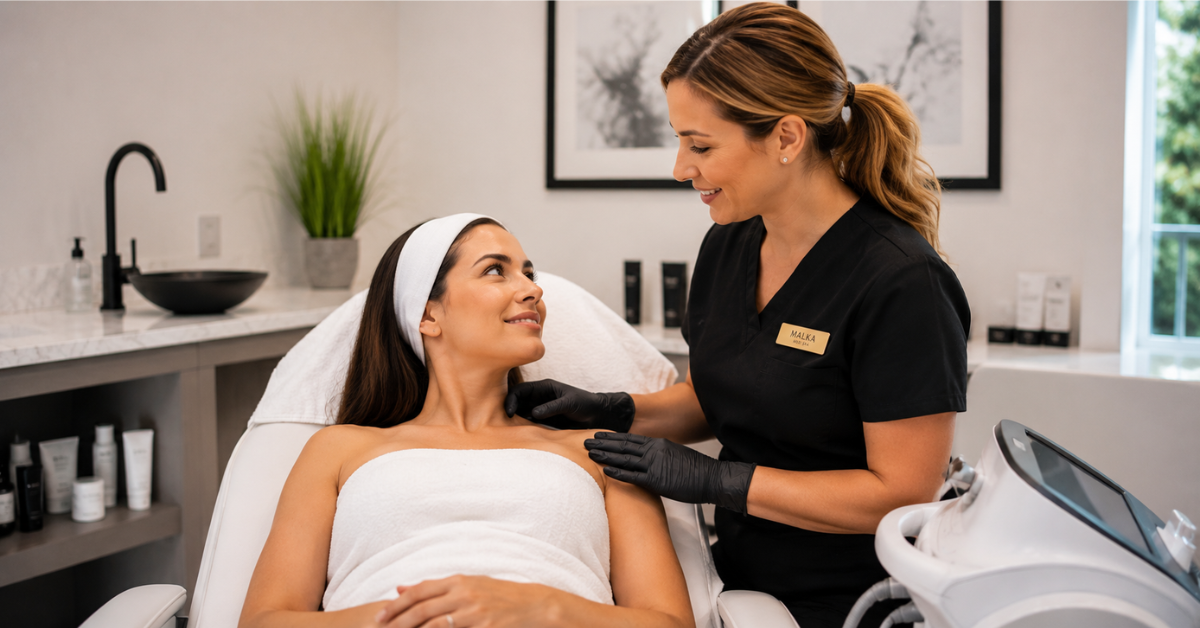
If your acne scars are deep, stubborn, or affecting your self-esteem, professional treatments may be worth exploring. Some of the most effective options include:
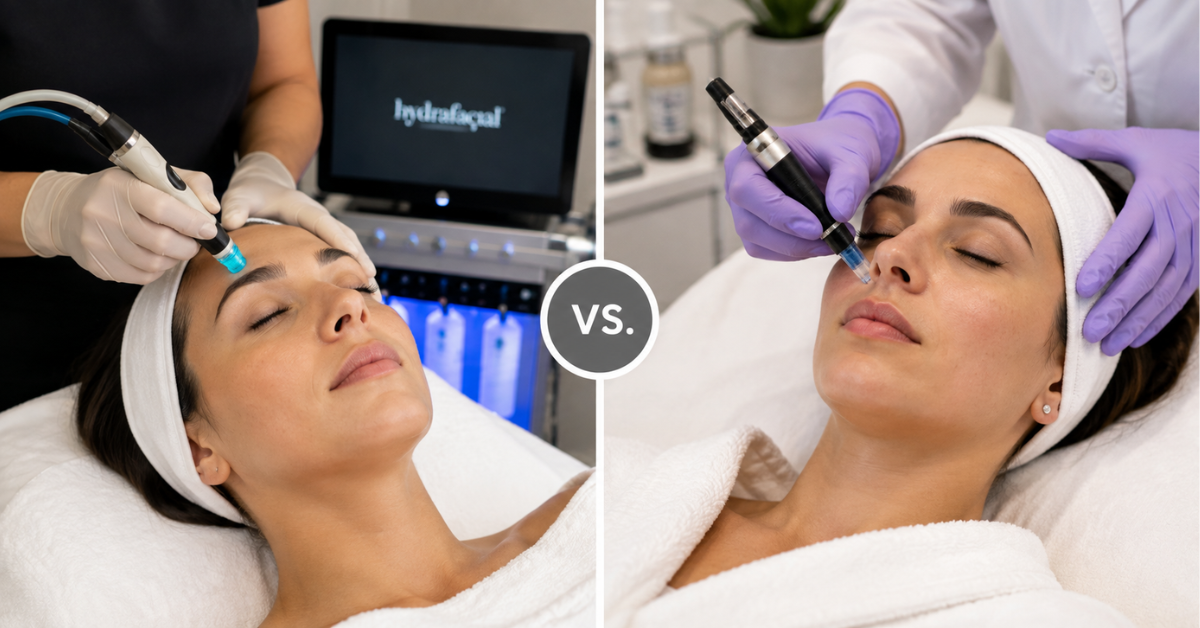
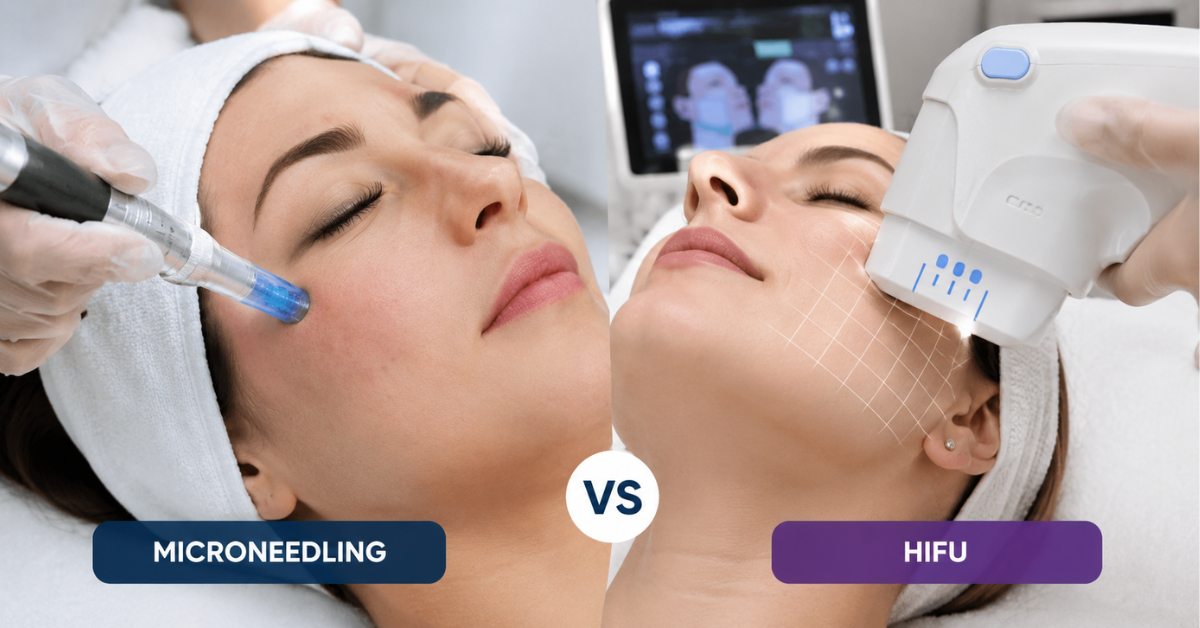
- Microneedling: Stimulates collagen production and improves skin texture.
- Laser resurfacing: Targets pigment and smooths out uneven surfaces.
- Chemical peels: Help remove the top layer of damaged skin and improve pigmentation.
- Dermal fillers: Temporarily fill in atrophic scars for smoother skin.
Each of these treatments comes with its own risks, costs, and recovery time, so it's best to consult a dermatologist for personalized advice.
Final Thoughts
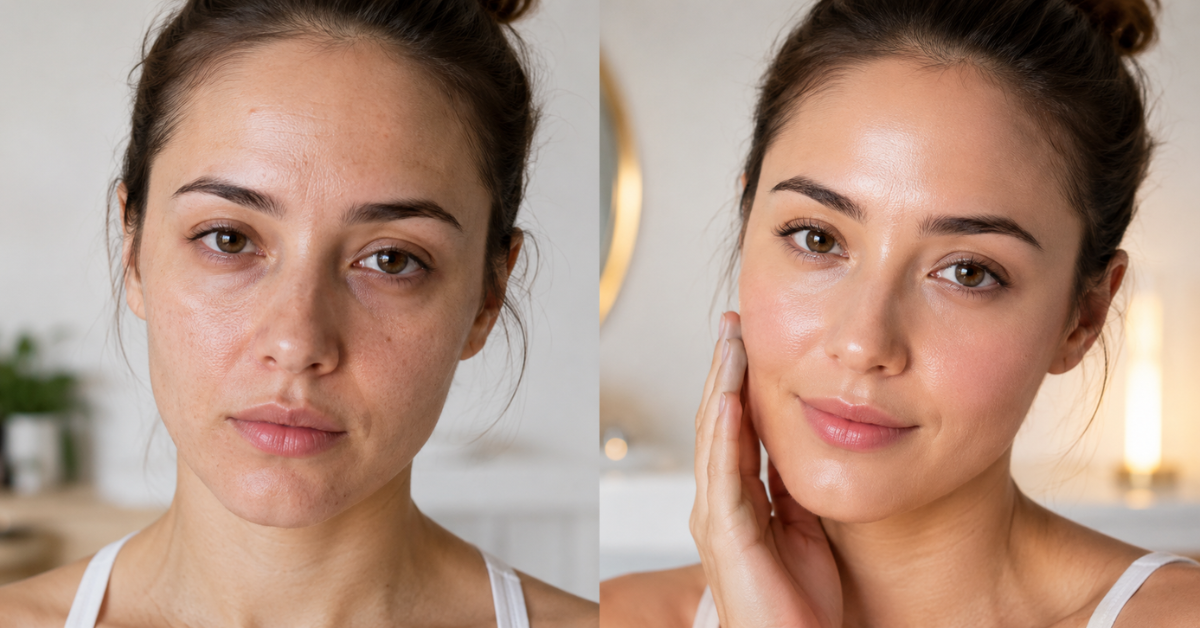
So, do adult acne scars fade on their own? In some cases, yes—especially when it comes to surface-level discoloration. But for deeper scars or long-standing marks, relying solely on time may not be enough. The good news is, there are many effective ways to reduce or remove acne scars, from targeted skincare to professional procedures.
If your scars are bothering you, don’t feel discouraged. Whether you choose to wait it out or take proactive steps, know that clear, healthy-looking skin is absolutely within reach. Start with the right skincare, avoid sun exposure, and explore treatment options that match your skin’s unique needs.