What Exactly is Microneedling and How Does it Work?
Microneedling, also known as collagen induction therapy, is a popular skincare procedure that has gained significant traction in recent years. This minimally invasive treatment involves the use of a device equipped with fine needles to create controlled micro-injuries on the skin's surface. These micro-injuries trigger the body's natural healing process, stimulating the production of collagen and elastin, two proteins essential for maintaining youthful and healthy-looking skin.
Microneedling is a cosmetic procedure designed to improve the overall appearance and texture of the skin. It is often used to address various dermatological concerns, including acne scars, fine lines, wrinkles, hyperpigmentation, and uneven skin tone. The treatment is suitable for all skin types and can be performed on different areas of the body, including the face, neck, décolletage, and hands.
While microneedling has gained popularity in recent years, its origins can be traced back to ancient Chinese medicine, where practitioners used small needles to puncture the skin to promote healing and rejuvenation. However, modern microneedling as we know it today was developed in the late 20th century, initially as a method for drug delivery through the skin. Over time, advancements in technology and research have refined the microneedling technique, making it a widely recognized and effective cosmetic procedure for skin rejuvenation and enhancement.
Understanding the Microneedling Process
Microneedling involves the use of a specialized device equipped with fine needles that create controlled micro-injuries on the skin's surface. These micro-injuries prompt the skin's natural healing response, stimulating the production of collagen and elastin. The technique can be adjusted based on the specific concerns being addressed and the individual's skin type and condition. During the procedure, the device is gently moved across the skin in a precise pattern, ensuring even coverage and consistent results.
Devices Used in Microneedling
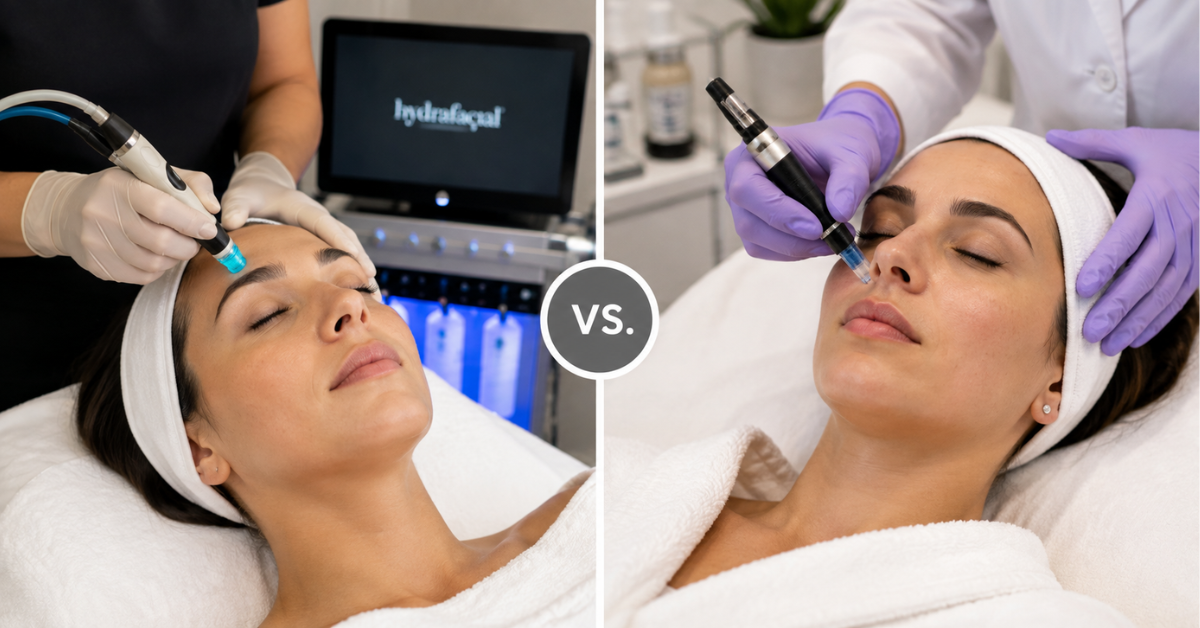
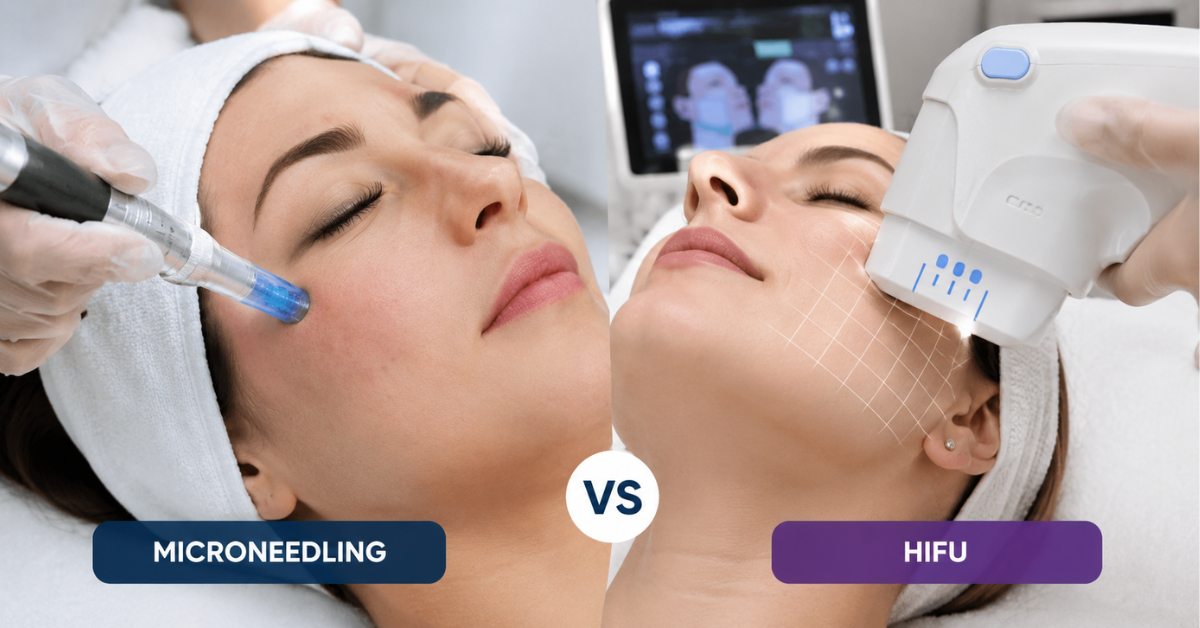
Various devices are used in microneedling procedures, including dermarollers and microneedling pens or stampers. Dermarollers consist of a cylindrical drum covered with multiple fine needles, while microneedling pens or stampers feature a cartridge with disposable needle tips. These devices may differ in needle length, configuration, and mechanism of action, allowing for customization based on the patient's needs and the area being treated. Dermatologists and skincare professionals carefully select the appropriate device and needle size to achieve optimal results while minimizing discomfort and downtime.
Depth and Frequency of Needling
The depth and frequency of needling in microneedling procedures depend on various factors, including the specific skin concerns being addressed and the individual's skin type and condition. The depth of needling typically ranges from 0.5 to 2.5 millimeters, with deeper penetration targeting more severe concerns such as acne scars or wrinkles. The frequency of needling varies as well, with most patients undergoing a series of treatments spaced several weeks apart to achieve optimal results. Skincare professionals tailor the depth and frequency of needling to each patient's unique needs and treatment goals, ensuring safe and effective outcomes.
How Microneedling Works
Mechanism of Action:
Microneedling works by creating controlled micro-injuries in the skin's surface, stimulating the body's natural healing response. This triggers the production of new collagen and elastin, which are essential proteins for maintaining the skin's strength, elasticity, and youthful appearance. As the skin heals, it becomes firmer, smoother, and more evenly toned, with improvements in texture and overall complexion.
Stimulating Collagen Production:
One of the key mechanisms behind microneedling is its ability to stimulate collagen production in the skin. Collagen is a structural protein that provides support and elasticity to the skin, helping to maintain its firmness and resilience. By inducing controlled micro-injuries, microneedling promotes the synthesis of new collagen fibers, leading to firmer, smoother, and more youthful-looking skin over time. This increase in collagen production helps to reduce the appearance of fine lines, wrinkles, and scars, while also improving overall skin texture and tone.
Enhancing Skincare Product Absorption:
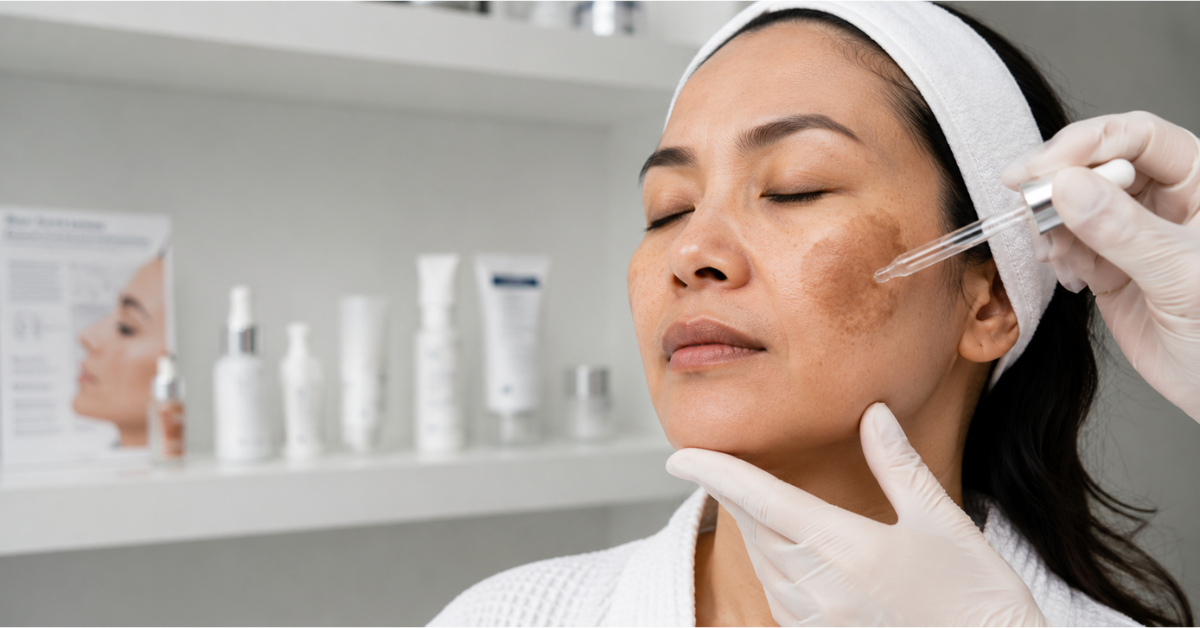
Microneedling also enhances the absorption and effectiveness of skincare products applied to the skin during and after the procedure. The micro-channels created by the needles allow for better penetration of topical serums, moisturizers, and other skincare products, maximizing their benefits. This increased absorption ensures that active ingredients can penetrate deeper into the skin, delivering targeted treatment to specific concerns and enhancing overall results. Skincare professionals often incorporate specialized serums or growth factors into microneedling treatments to further optimize outcomes and support the skin's healing and rejuvenation process.
Benefits of Microneedling
Improving Skin Texture and Tone
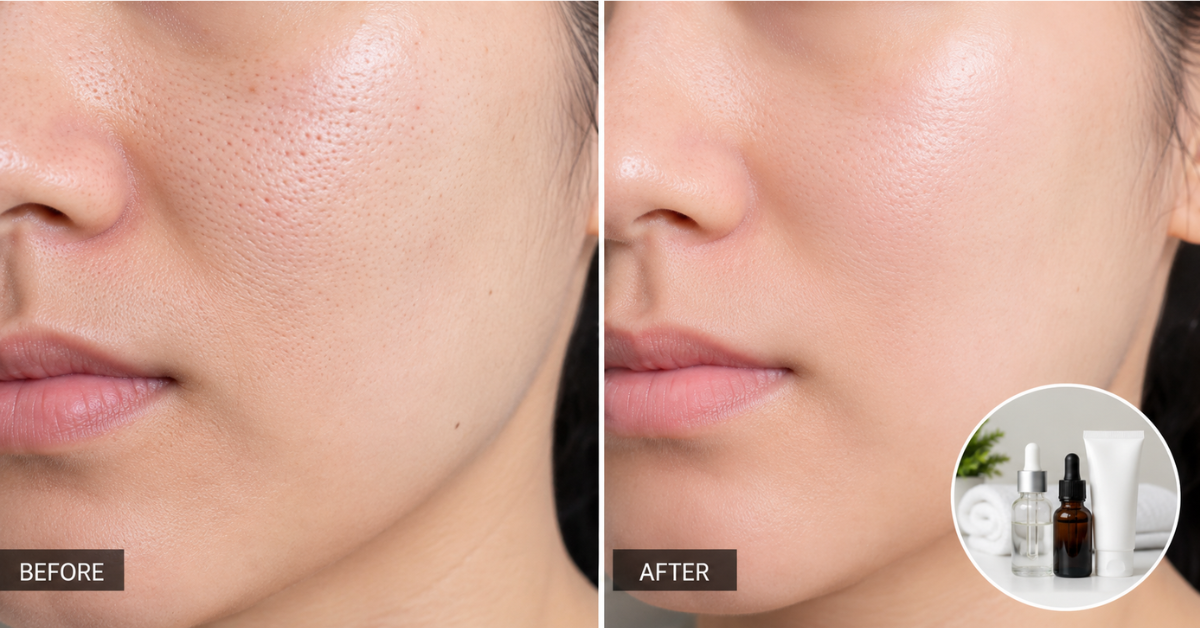
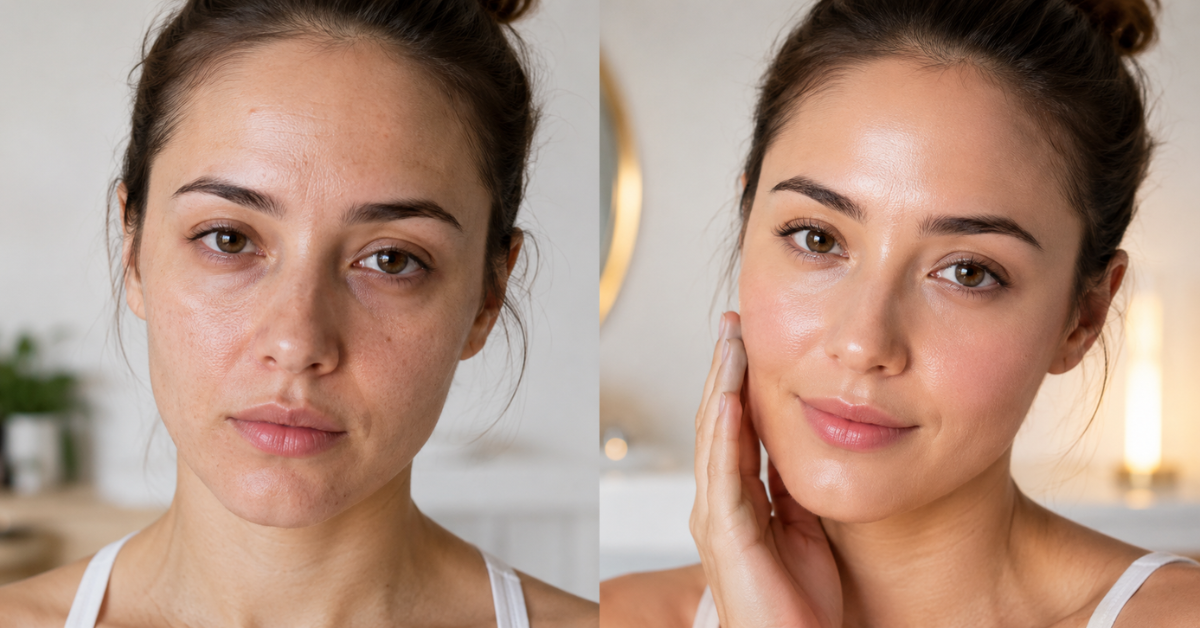
Microneedling is renowned for its ability to enhance skin texture and tone. By stimulating collagen and elastin production, microneedling helps to rejuvenate the skin, making it smoother, firmer, and more evenly toned. It can effectively reduce the appearance of rough skin texture, enlarged pores, and uneven pigmentation, resulting in a more radiant and youthful complexion.
Treating Acne Scars and Hyperpigmentation
One of the notable benefits of microneedling is its efficacy in treating acne scars and hyperpigmentation. The controlled micro-injuries created during the procedure stimulate the skin's natural healing process, leading to the formation of new collagen and elastin fibers. This helps to remodel and fill in acne scars, making them less noticeable over time. Additionally, microneedling can break up areas of hyperpigmentation and promote more even skin tone, resulting in a smoother and more uniform complexion.
Minimizing Fine Lines and Wrinkles
Microneedling is also highly effective in minimizing the appearance of fine lines and wrinkles. By stimulating collagen production, microneedling helps to plump up the skin and improve its elasticity, reducing the depth of wrinkles and fine lines. It can target common areas of concern such as crow's feet, forehead lines, and smile lines, resulting in smoother and more youthful-looking skin.
What to Expect During a Microneedling Session
Before undergoing a microneedling session, it is important to prepare the skin properly. This may involve avoiding certain skincare products and treatments, as well as disclosing any medical conditions or medications to your skincare professional. Additionally, your skincare professional may recommend numbing cream or anesthesia to minimize discomfort during the procedure.
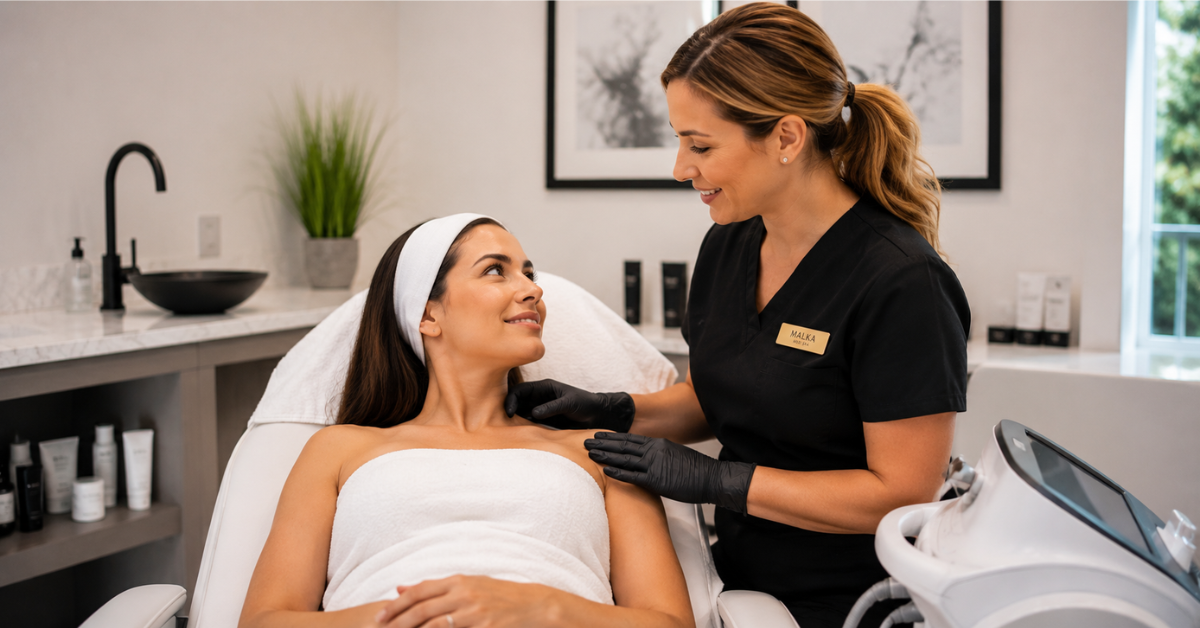
During the microneedling procedure, your skincare professional will cleanse and sterilize the treatment area before applying a numbing cream to ensure your comfort. The microneedling device will then be gently passed over the skin in a controlled manner, creating tiny punctures in the skin's surface. Depending on the depth and intensity of treatment, you may experience mild redness and discomfort, which typically subsides within a few days.
After microneedling, it is important to follow your skincare professional's post-treatment instructions carefully. This may include avoiding sun exposure, wearing sunscreen, and using gentle skincare products to support the skin's healing process. You may experience some redness, swelling, and peeling in the days following treatment, but these side effects are temporary and typically resolve within a week. With proper care and maintenance, you can expect to see noticeable improvements in your skin's texture, tone, and overall appearance over time.
Safety and Considerations
Potential Side Effects and Risks: While microneedling is generally considered safe, there are potential side effects and risks associated with the procedure. Some individuals may experience temporary redness, swelling, and mild discomfort immediately following treatment, which typically subsides within a few days. In rare cases, more severe side effects such as infection, scarring, or hyperpigmentation may occur. It is essential to undergo microneedling under the supervision of a qualified skincare professional who can minimize the risk of complications and ensure proper aftercare.
Suitable Candidates for Microneedling:
Microneedling is suitable for most individuals seeking to improve the appearance of their skin, regardless of age or skin type. Ideal candidates for microneedling are those with concerns such as fine lines, wrinkles, acne scars, uneven skin texture, or hyperpigmentation. However, individuals with certain medical conditions or skin conditions may not be suitable candidates for microneedling. It is essential to consult with a skincare professional to determine if microneedling is appropriate for your specific needs and concerns.
Contraindications and Precautions:
While microneedling is generally safe for most individuals, there are certain contraindications and precautions to consider before undergoing treatment. Microneedling may not be suitable for individuals with active acne breakouts, inflammatory skin conditions, or open wounds in the treatment area. Also, individuals with a history of keloid scarring or autoimmune disorders may be advised against microneedling. Pregnant or breastfeeding individuals should also avoid microneedling due to the lack of safety data regarding its use during pregnancy or lactation. It is essential to disclose any medical conditions, medications, or skincare products you are using to your skincare professional before undergoing microneedling to ensure your safety and minimize the risk of adverse reactions.
Conclusion
Microneedling offers a range of benefits for improving skin texture, tone, and overall appearance through its effective mechanism of stimulating collagen production and enhancing skincare product absorption. Considering its proven efficacy and versatility in addressing various skin concerns, including acne scars, hyperpigmentation, and fine lines, microneedling emerges as a promising skincare treatment option. As we continue to witness advancements in microneedling technology, there is great potential for further refinement and innovation in enhancing treatment outcomes and patient satisfaction. Embracing microneedling as part of your skincare regimen holds the promise of achieving healthier, more radiant skin, and embracing the future of skincare technology.