How Many Sessions of BioRePeel Do You Really Need?
BioRePeel is quickly becoming one of the top choices for people looking to rejuvenate their skin. This innovative treatment, originating from Italy, offers a unique approach to peeling by combining bio-stimulation and exfoliation to deliver a glow that looks natural and healthy. But if you're considering BioRePeel, one of the most common questions is: how many sessions are really necessary to see visible results? In this article, we’ll break down how BioRePeel works, the recommended number of sessions, and what you can expect with each visit.
What is BioRePeel?
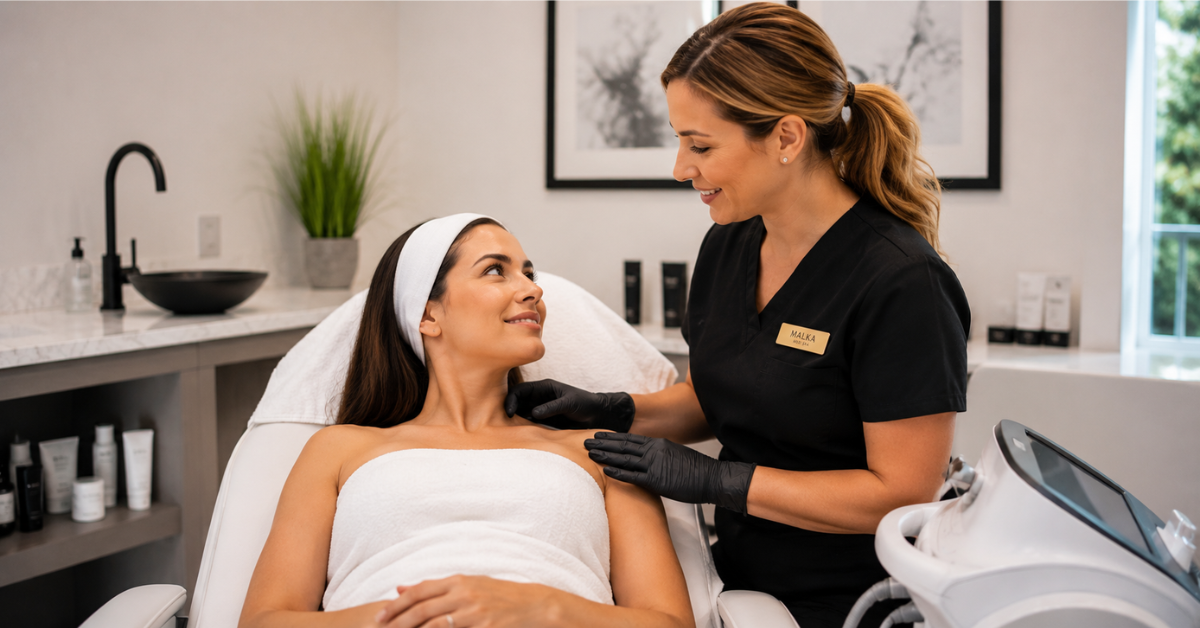
BioRePeel is a no-peel peel, meaning it provides the benefits of a peel without the excessive peeling or downtime. Unlike traditional peels, BioRePeel doesn’t cause extensive shedding of the skin but uses a combination of amino acids, vitamins, and other active ingredients to rejuvenate the skin. This innovative treatment is great for those looking to smooth out fine lines, reduce acne scars, and brighten dull skin. The procedure involves applying a chemical solution to the skin that gently exfoliates and regenerates the surface. With its unique blend of acids, vitamins, and antioxidants, BioRePeel stimulates collagen production and leaves the skin smoother and healthier without the harsh effects of traditional peels.
How Many Sessions of BioRePeel Are Recommended?
For most people, the ideal treatment plan typically involves four to six sessions spaced about one to two weeks apart. However, the exact number of sessions can vary based on individual skin conditions and personal goals. Here’s a closer look at how many sessions might be required based on different skin types and goals:
- Mild Skin Concerns (Slight dullness, minor fine lines): If you have minimal skin issues and are mainly looking for a glow, a couple of sessions may be enough to provide noticeable brightness and smoothness. In such cases, around two to four sessions can suffice.
- Moderate Skin Concerns (Acne scars, sun damage, uneven texture): For moderate concerns, a series of four to six sessions is usually recommended. This allows the BioRePeel ingredients to penetrate deeper layers of the skin and deliver cumulative benefits. Each session builds on the previous one to gradually improve skin texture, tone, and clarity.
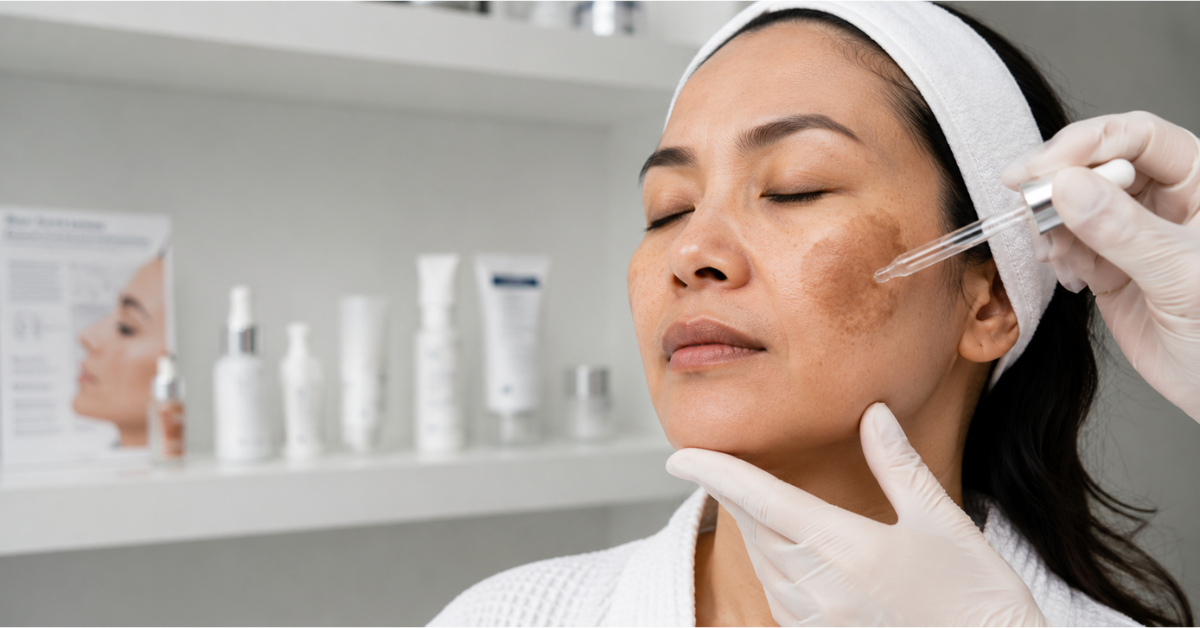
- Severe Skin Issues (Deep acne scars, pronounced pigmentation, more visible signs of aging): For more intense concerns, such as deep acne scarring or hyperpigmentation, a more extended treatment plan may be required, often six to eight sessions. These sessions provide progressive results and help reduce more stubborn issues.
What Can You Expect from Each Session?
After each session, most clients notice an immediate improvement in the glow and hydration of their skin. Here’s a quick guide on what you can expect as you progress through BioRePeel treatments:
- First Session: You may notice some immediate radiance, but initial effects are typically mild.
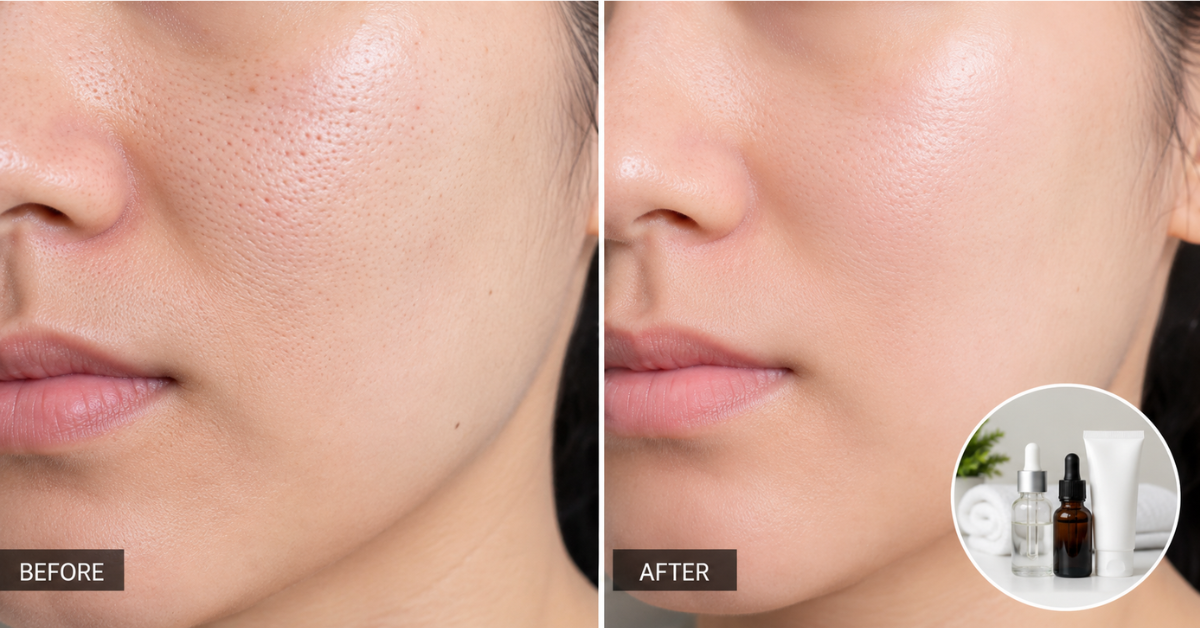
- Second and Third Sessions: Your skin should start feeling softer, with improvements in texture and possibly a slight reduction in pore size.
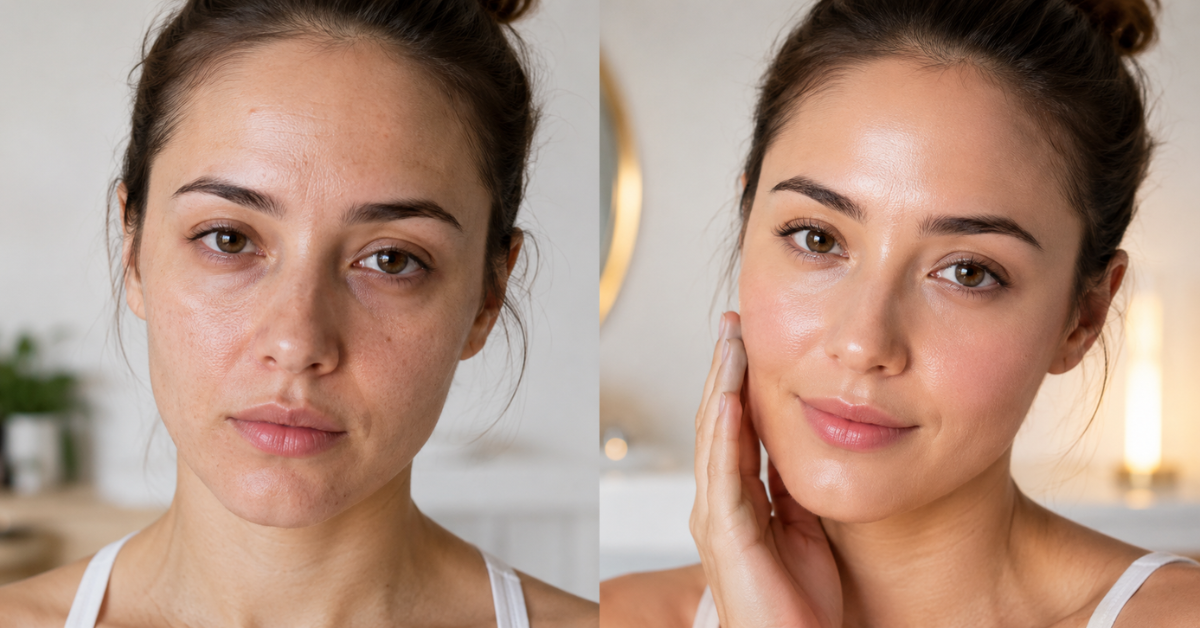
- Fourth to Sixth Sessions: This is where most people experience noticeable improvements in skin tone, brightness, and fine lines. Acne scars often become less visible at this stage.
- Beyond Six Sessions: At this point, individuals with more significant concerns see the best results. The skin feels tighter, more radiant, and with fewer imperfections.
Factors That Influence the Number of Sessions
Several factors can influence how many BioRePeel sessions you might need:
- Skin Type: Different skin types react differently to chemical peels. Sensitive skin may require fewer, less intense sessions, while thicker or more resilient skin can handle more sessions to achieve optimal results.
- Age: Aging skin may need more sessions due to slower cell turnover and lower collagen production. Younger skin often requires fewer sessions for desired effects.
- Lifestyle: Factors like sun exposure, skincare routine, and lifestyle choices can impact results. For instance, individuals who regularly protect their skin from the sun and follow a good skincare routine may see faster results.
- Skincare Goals: Your goals also determine the number of sessions. If you’re targeting minor skin enhancements, you may need fewer sessions than someone looking to address significant acne scars or aging signs.
Maintenance After BioRePeel Treatments
After completing the initial series of BioRePeel treatments, maintenance sessions are often recommended every three to six months. This helps to preserve the results, as natural aging and environmental exposure can gradually impact skin quality. Regular maintenance will keep the skin looking fresh, hydrated, and rejuvenated.
Final Thoughts
BioRePeel is an excellent choice for individuals seeking a low-downtime, non-invasive treatment for skin rejuvenation. For most people, a series of four to six sessions spaced a week apart is ideal. However, the exact number may vary depending on your unique skin concerns, goals, and lifestyle.
When undergoing BioRePeel, it’s essential to follow the aftercare instructions provided by your skincare specialist to achieve the best results. Avoiding sun exposure, maintaining a gentle skincare routine, and staying hydrated will help prolong the effects.
In summary, BioRePeel can offer transformative skin benefits with the right number of sessions tailored to your needs. By consulting with a skincare professional, you can develop a personalized treatment plan that will help you get the best results for your skin type and goals. Whether you’re aiming to reduce acne scars, brighten your complexion, or simply achieve a more youthful glow, BioRePeel may just be the solution you’re looking for.