Is Biorepeel Pregnancy Safe?
When you're expecting, skincare often becomes a topic of concern. Pregnancy brings about hormonal changes that can significantly impact your skin, making treatments like BioRePeel tempting to address various concerns. But is BioRePeel safe to use during pregnancy? In this article, we’ll explore what BioRePeel is, its ingredients, potential risks, and whether it’s suitable for pregnant women.
What Is BioRePeel?
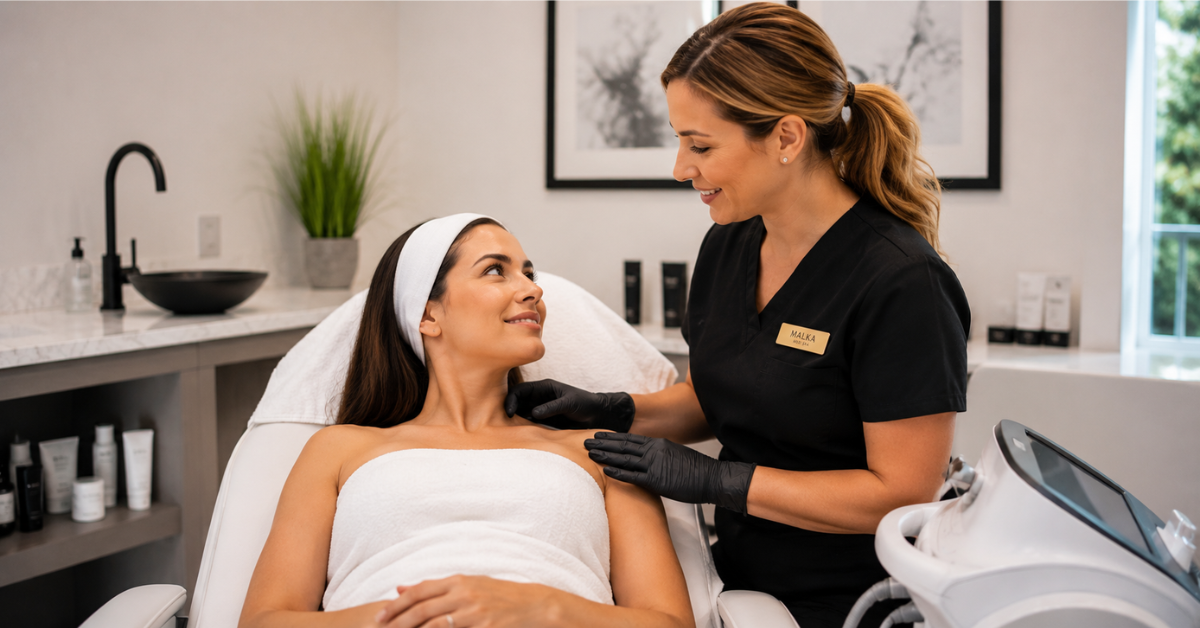
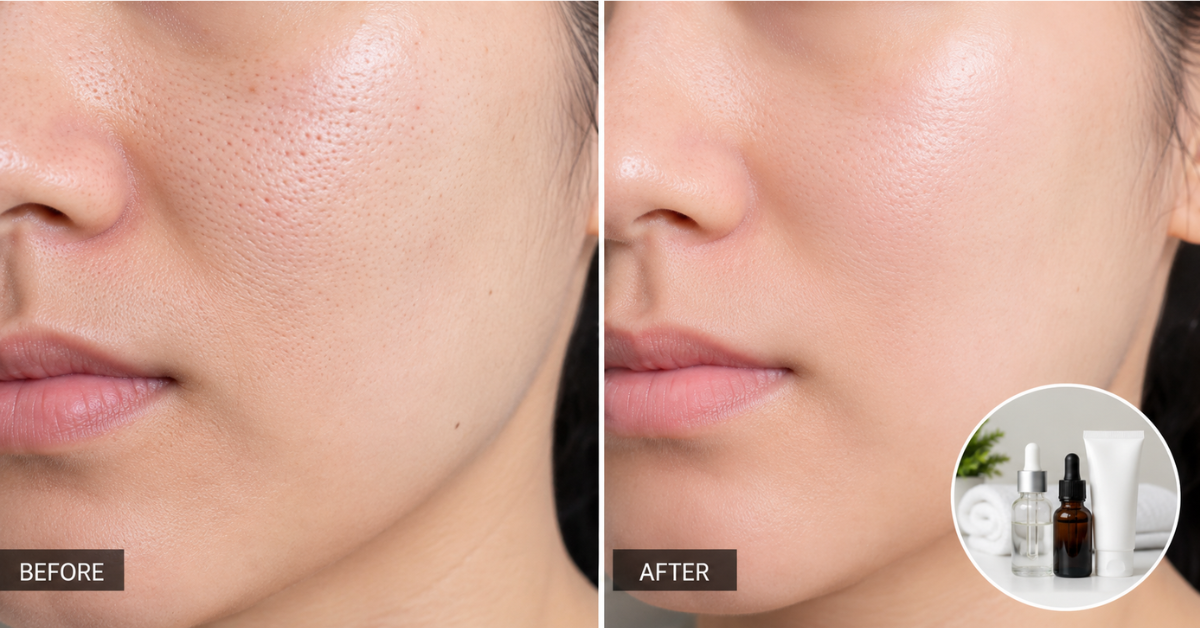
BioRePeel is a medical-grade chemical peel designed to rejuvenate the skin and treat issues such as acne, hyperpigmentation, and aging. It works by exfoliating the skin’s outer layer and stimulating collagen production. Unlike traditional peels, BioRePeel boasts minimal downtime, making it a popular choice for those with busy lifestyles.
The treatment contains a mix of active ingredients, including:
- Trichloroacetic Acid (TCA): Exfoliates and promotes skin renewal.
- Salicylic Acid: Unclogs pores and reduces inflammation.
- Lactic Acid: Improves hydration and brightens the skin.
- Vitamins and Amino Acids: Support skin health and regeneration.
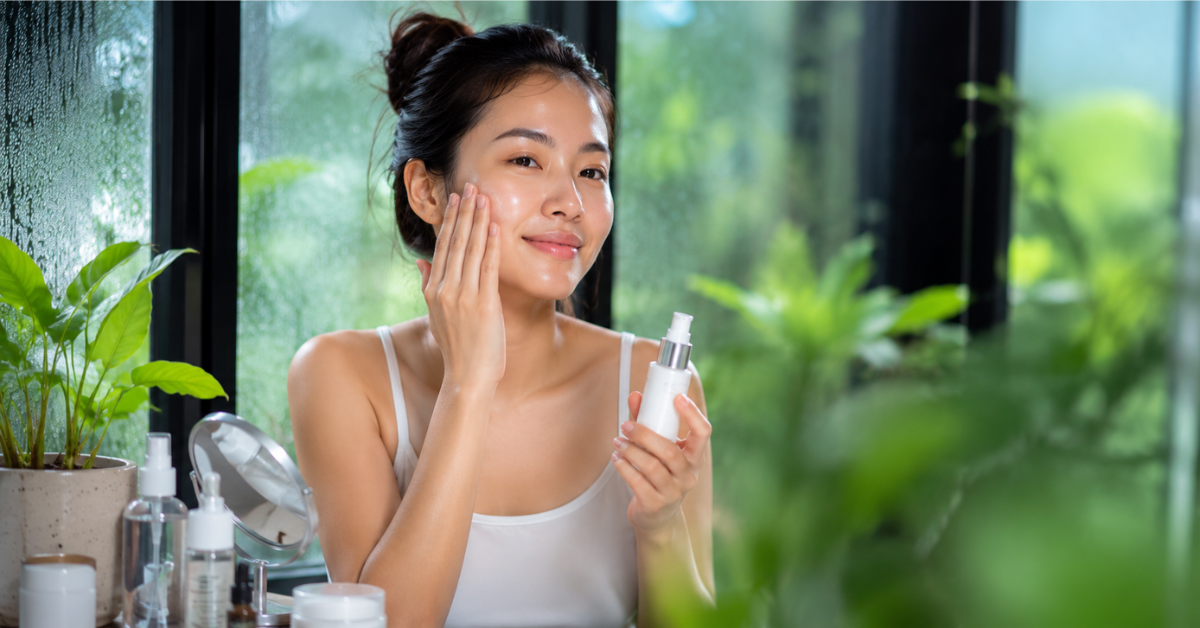
Skincare During Pregnancy
Pregnancy is a sensitive time, and many skincare treatments may pose risks to the developing baby. Ingredients absorbed through the skin can potentially enter the bloodstream and affect the fetus. This is why medical advice is critical before using any skincare products or undergoing treatments during pregnancy.
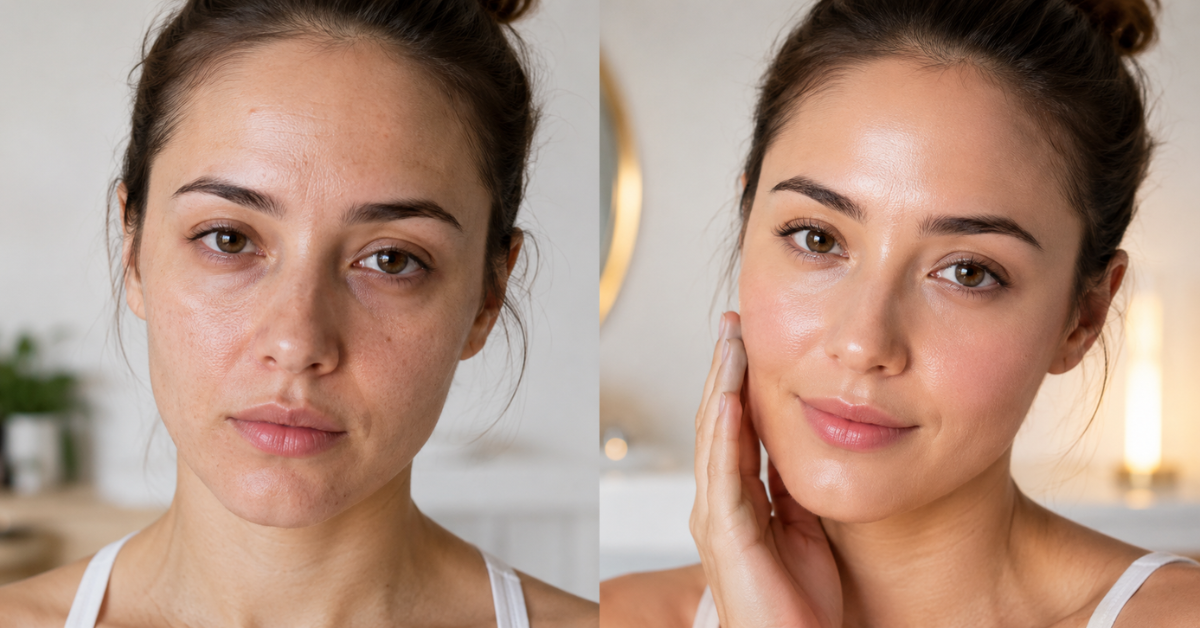
Aside from that, pregnancy often brings about conditions like melasma, heightened skin sensitivity, and acne due to hormonal fluctuations. While addressing these issues is important, safety should always come first.
Is BioRePeel Safe for Pregnant Women?
Currently, there is limited research specifically on BioRePeel and its safety during pregnancy. However, the safety of certain ingredients it contains—such as trichloroacetic acid and salicylic acid—raises concerns.
Key Ingredients to Consider
- Trichloroacetic Acid (TCA): TCA is a powerful exfoliant found in many chemical peels. While it is not proven to harm a fetus, it is classified as a medium-to-deep peeling agent and may irritate the already sensitive skin of pregnant women.
- Salicylic Acid: This beta-hydroxy acid (BHA) is commonly used in acne treatments. High concentrations of salicylic acid have been linked to potential risks during pregnancy. Topical application in low doses is generally considered safe, but chemical peels often use higher concentrations, making them less advisable.
- Alcohol Content: Some formulations of BioRePeel contain alcohol, which may cause excessive dryness or irritation, particularly in pregnancy-sensitive skin.
- Fragrances and Preservatives: While not all BioRePeel products include fragrances or preservatives, these can sometimes cause allergic reactions or discomfort in expectant mothers.
Potential Risks of BioRePeel During Pregnancy
- Skin Sensitivity: Pregnant women often experience heightened skin sensitivity, which could lead to adverse reactions like redness, irritation, or even burns from chemical peels.
- Increased Risk of Hyperpigmentation: Pregnancy-related melasma or "pregnancy mask" can worsen with chemical peels, especially if sun protection isn’t strictly followed.
- Lack of Comprehensive Studies: Since research on BioRePeel in pregnancy is limited, its full effects remain unknown, making it difficult to assess its safety definitively.
Alternatives to BioRePeel for Pregnant Women
If you’re looking to maintain healthy skin during pregnancy, there are safer options to consider:
- Hydrating Facials: Gentle facials using pregnancy-safe products can help keep your skin nourished and glowing.
- Natural Exfoliants: Opt for mild exfoliants containing ingredients like oatmeal or lactic acid at low concentrations.
- Vitamin C Serums: These are generally safe during pregnancy and can help brighten the skin and reduce pigmentation.
- Moisturizers with Hyaluronic Acid: Hyaluronic acid is safe and excellent for maintaining skin hydration.
What Experts Recommend
Dermatologists and healthcare providers generally advise against medium or deep chemical peels during pregnancy. Light peels or treatments specifically designed for pregnant women may be a safer option, but it’s crucial to consult your doctor or dermatologist before trying any new treatment.
How to Approach Skincare During Pregnancy
- Consult a Professional: Always speak to your healthcare provider or dermatologist before starting any new skincare regimen or treatment.
- Read Labels Carefully: Check for pregnancy-safe certifications on skincare products.
- Avoid Retinoids and High-Concentration Acids: These can pose risks to your baby’s development.
- Stay Consistent with Sun Protection: Hormonal changes can increase your skin’s sensitivity to the sun, making sunscreen essential.
Final Verdict | Should You Use BioRePeel During Pregnancy?
Given the lack of research and the presence of potent ingredients like TCA and salicylic acid, it’s best to err on the side of caution and avoid BioRePeel during pregnancy. There are numerous safer alternatives available to address pregnancy-related skin concerns.
Remember, your priority during this time is your baby’s health, so always consult with a healthcare professional before proceeding with any skincare treatments. Safe practices will ensure both you and your baby enjoy a happy and healthy journey. By making informed choices, you can maintain radiant skin while ensuring the well-being of your growing family.