Can Skin Pigmentation Be Prevented?
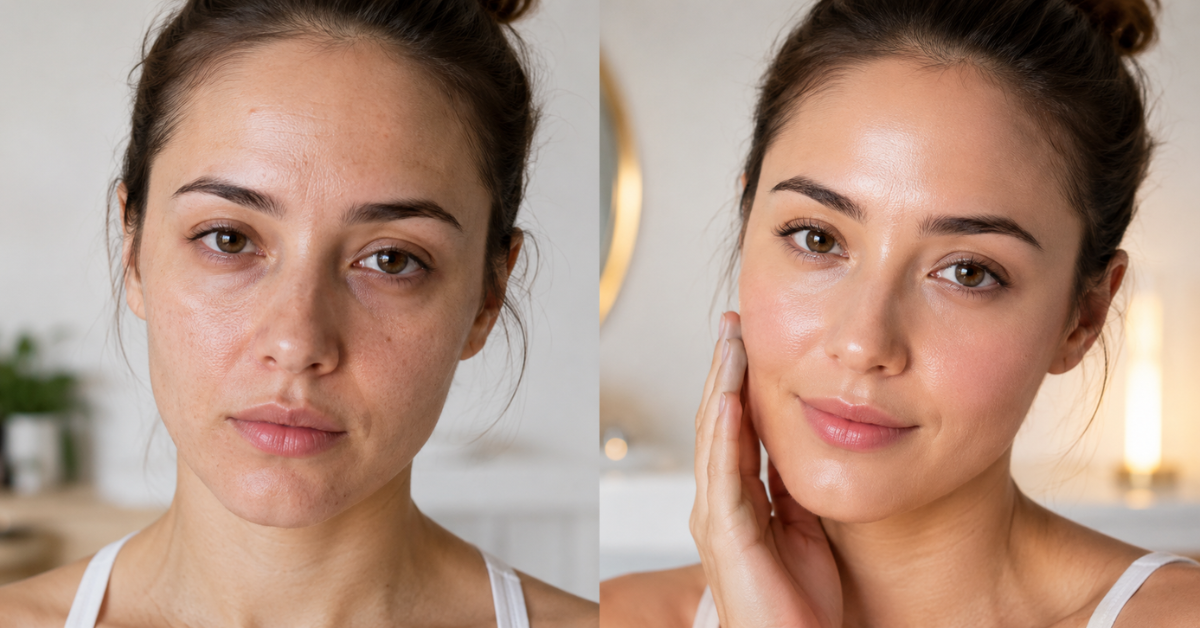
Skin pigmentation, often referred to as hyperpigmentation, is a condition where certain areas of the skin appear darker than others due to an excess production of melanin. While pigmentation issues are common and can result from factors like sun exposure, hormonal changes, and inflammation, the good news is that they can often be prevented with the right measures. Here’s a detailed guide on how you can protect your skin from pigmentation and maintain a healthy, even complexion.
Understanding Skin Pigmentation
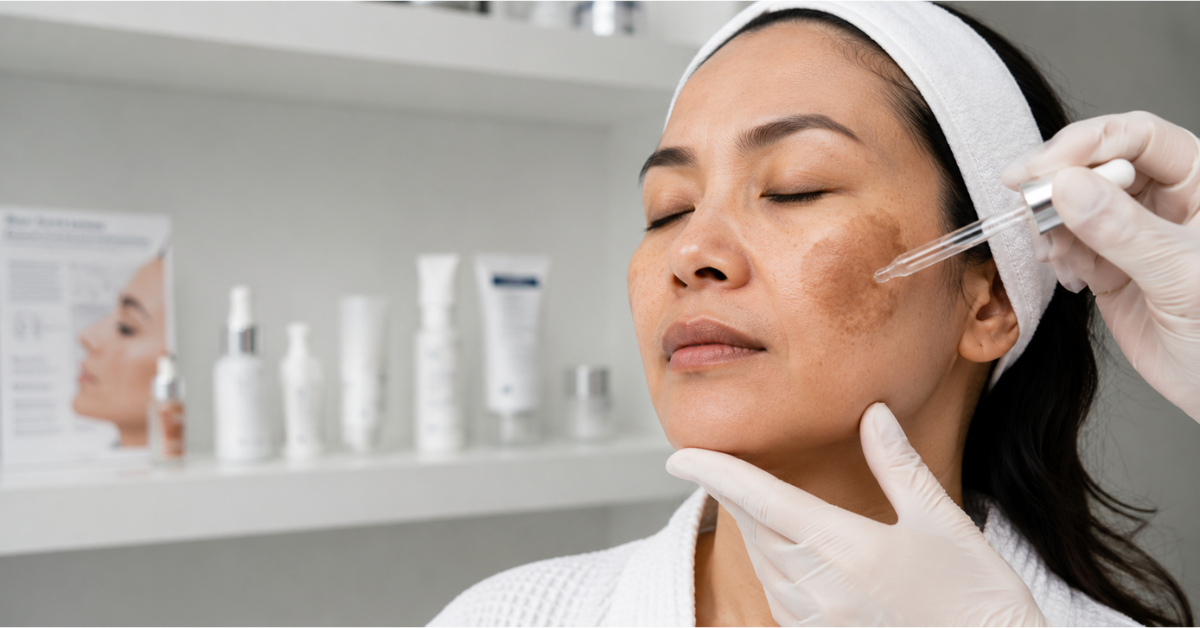
Melanin, the pigment responsible for skin color, plays a vital role in protecting the skin from harmful ultraviolet (UV) rays. However, when melanin production becomes unbalanced, it can lead to pigmentation issues. The most common types of skin pigmentation include:
- Melasma: Often triggered by hormonal changes, such as during pregnancy or while using birth control pills.
- Sunspots (Solar Lentigines): Caused by prolonged sun exposure.
- Post-Inflammatory Hyperpigmentation (PIH): Occurs after an injury, acne, or other skin inflammation.
Prevention focuses on managing triggers and protecting the skin from further damage.
How to Prevent Skin Pigmentation
1. Use Sunscreen Daily
One of the most effective ways to prevent pigmentation is by using a broad-spectrum sunscreen with SPF 30 or higher. UV rays are a major cause of pigmentation, so applying sunscreen protects your skin and minimizes melanin overproduction. Ensure you reapply sunscreen every two hours, especially if you’re outdoors, swimming, or sweating. Opt for sunscreens containing physical blockers like zinc oxide or titanium dioxide for sensitive skin.
2. Avoid Direct Sun Exposure
Limit your time under direct sunlight, particularly between 10 a.m. and 4 p.m., when UV rays are strongest. If you need to be outdoors, wear protective clothing such as wide-brimmed hats, sunglasses, and long sleeves. Umbrellas and shaded areas can also provide extra protection.
3. Incorporate Antioxidants in Your Routine
Antioxidants like vitamin C, vitamin E, and niacinamide help protect the skin from free radicals, which can exacerbate pigmentation. Using a vitamin C serum daily can brighten the skin, reduce pigmentation, and prevent future dark spots.
4. Follow a Consistent Skincare Routine
A regular skincare routine tailored to your skin type is essential. Include products with ingredients like:
- Retinol: Promotes skin cell turnover and reduces pigmentation.
- Azelaic Acid: Helps in treating post-inflammatory pigmentation.
- Kojic Acid and Licorice Extract: Natural lightening agents.
Exfoliate gently with chemical exfoliants such as alpha hydroxy acids (AHAs) once or twice a week to remove dead skin cells and encourage regeneration.
5. Address Hormonal Changes
For women experiencing hormonal pigmentation (melasma), consulting a dermatologist is key. They may recommend treatments such as prescription creams or hormonal therapy adjustments.
Dietary and Lifestyle Tips
Healthy Diet for Skin Health: Your diet plays a significant role in maintaining skin health. Incorporate foods rich in antioxidants, vitamins, and minerals to help reduce pigmentation risks:
- Fruits and Vegetables: Citrus fruits, berries, spinach, and carrots.
- Omega-3 Fatty Acids: Found in fish, flaxseeds, and walnuts.
- Green Tea: Contains polyphenols that may help protect against UV damage.
Stay Hydrated: Drinking adequate water ensures that your skin remains hydrated and flushes out toxins that can contribute to uneven skin tone.
Avoid Smoking and Excess Alcohol: Smoking and excessive alcohol consumption can accelerate aging and worsen pigmentation. Avoid these habits for healthier skin.
When to Seek Professional Help
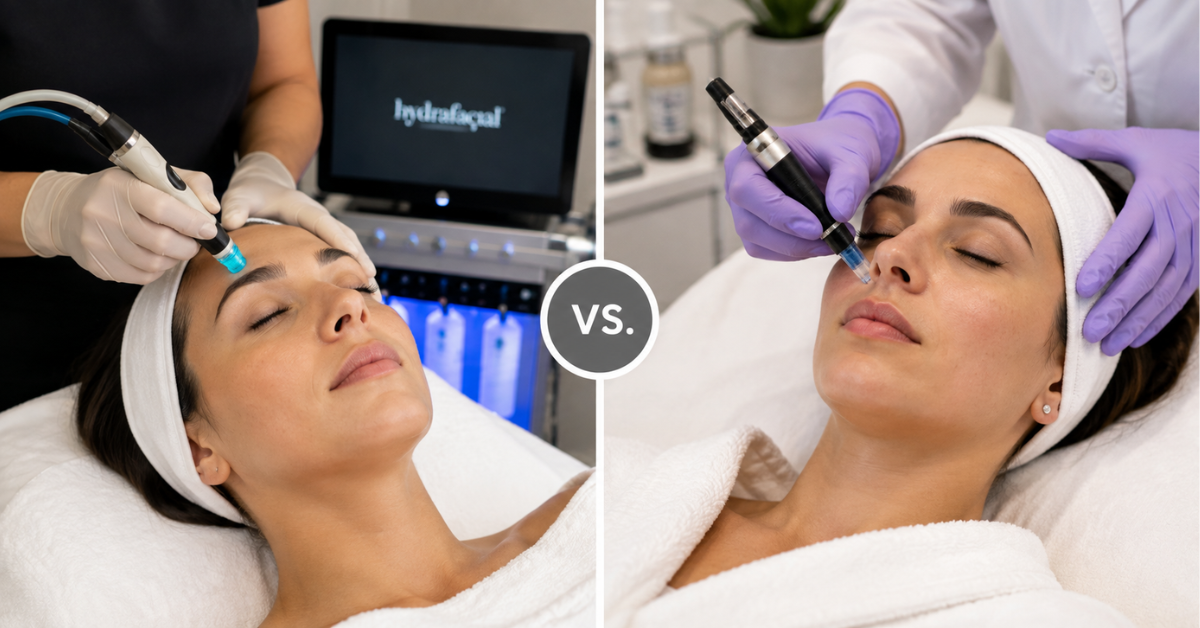
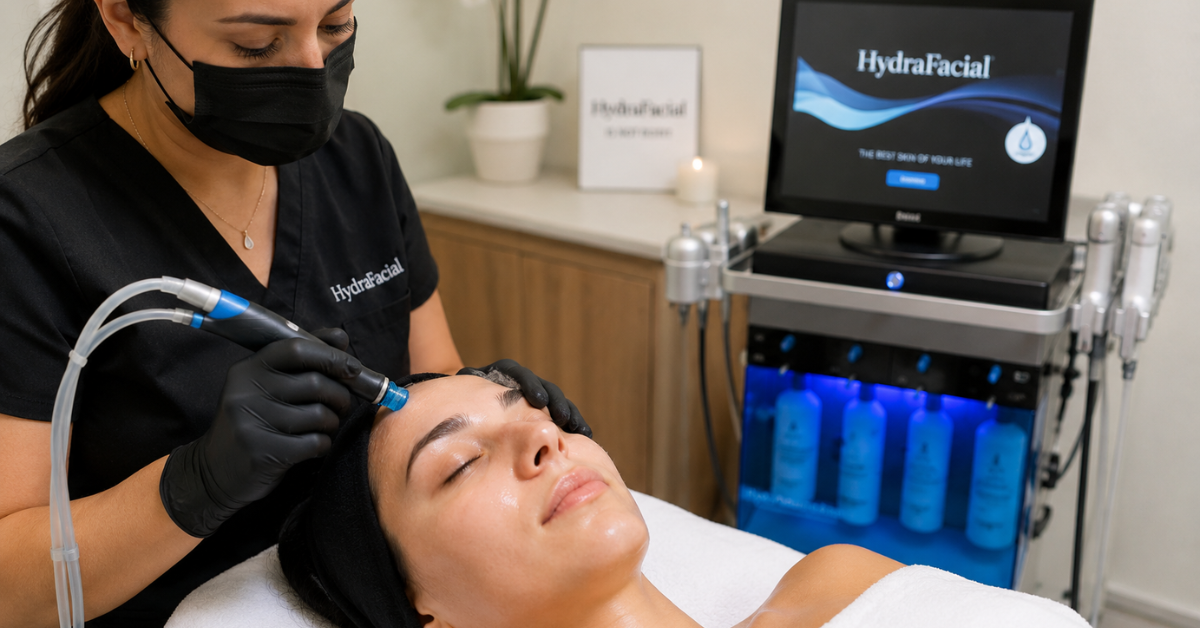
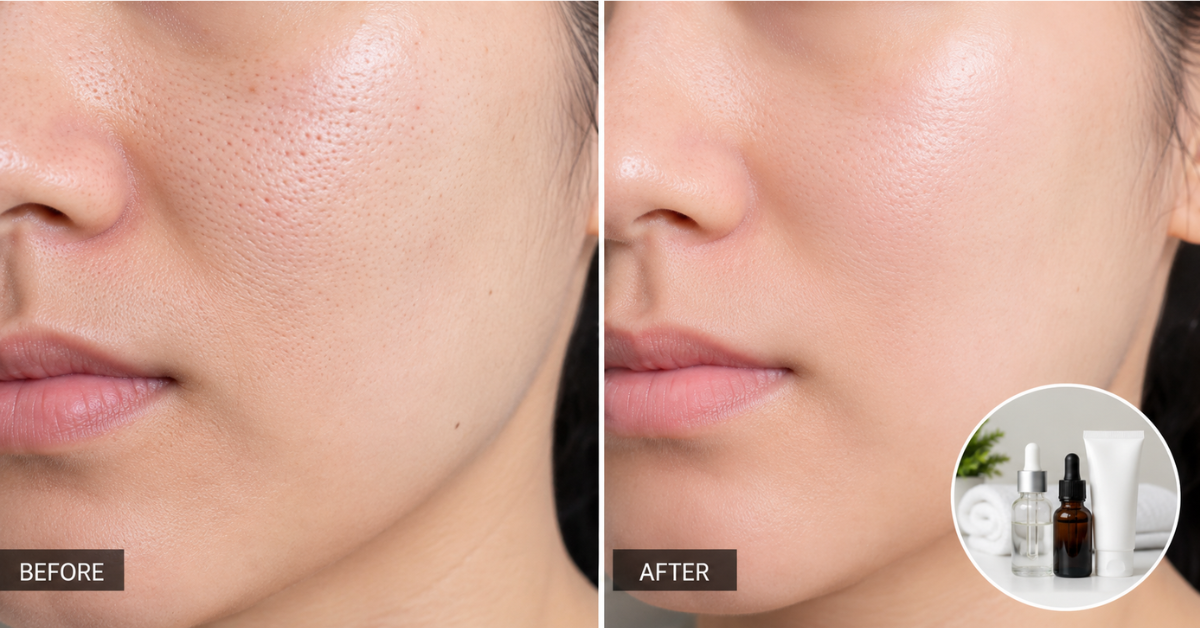
Sometimes, pigmentation issues persist despite preventive measures. In such cases, professional treatments may be necessary to achieve noticeable improvement. Options like chemical peels can help remove the top layer of skin to lighten pigmentation, while laser therapy targets melanin to effectively reduce dark spots. Another popular option is microdermabrasion, which gently exfoliates the skin to enhance its texture and tone. For the best results, consult a trusted dermatologist or visit a reputable clinic such as Malka Med Spa. Known for their expertise in advanced skin treatments, Malka Med Spa offers personalized care and cutting-edge procedures to help you achieve a radiant, even complexion.
The Importance of Early Action
Pigmentation problems are often easier to prevent than to treat. Early intervention, such as adopting a skincare routine and sun protection habits, can significantly reduce the chances of developing dark spots or uneven skin tone.
Final Thoughts
While skin pigmentation can’t always be entirely avoided, taking proactive steps can significantly reduce its likelihood. Consistent use of sunscreen, a balanced diet, and a tailored skincare routine are crucial in protecting your skin. Additionally, staying informed about your skin's needs and seeking professional advice when necessary will ensure long-term results.
By prioritizing these preventive measures, you can enjoy a healthy, radiant complexion while minimizing the risk of pigmentation problems. Start today—your skin will thank you for it!