Effective Treatment Options for Skin Pigmentation
Skin pigmentation issues, such as dark spots, uneven skin tone, and discoloration, can affect anyone regardless of age, gender, or ethnicity. These conditions often occur due to excess melanin production, which may be triggered by sun exposure, hormonal changes, or certain medical conditions. Fortunately, a variety of treatment options are available to address skin pigmentation and restore an even complexion. This guide explores the most effective treatments, from topical solutions to advanced dermatological procedures.
Getting to Know Skin Pigmentation
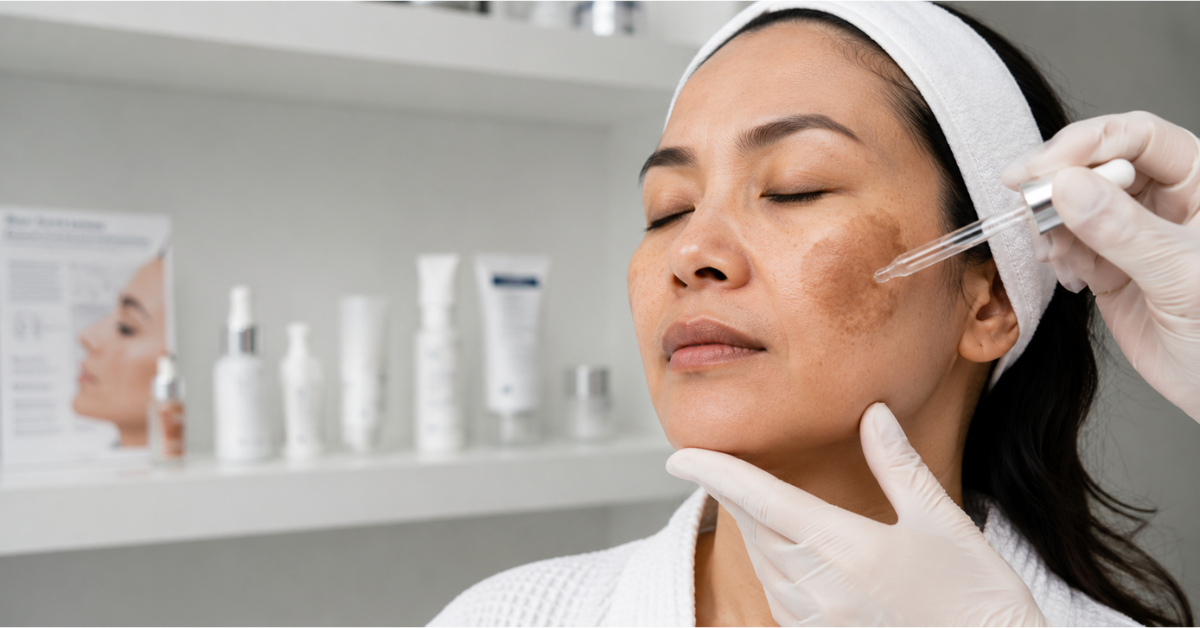
Before diving into treatments, it’s important to understand the causes of skin pigmentation. Melanin, the pigment responsible for skin color, is produced by cells called melanocytes. When these cells become overactive, pigmentation issues such as melasma, age spots, and post-inflammatory hyperpigmentation (PIH) can arise. Common factors contributing to these issues include:
- Sun Exposure: UV rays stimulate melanin production, leading to sunspots and uneven skin tone.
- Hormonal Changes: Conditions like melasma are often triggered by hormonal fluctuations during pregnancy or due to contraceptive use.
- Skin Inflammation: Acne, eczema, and other skin injuries can result in dark spots during the healing process.
Topical Treatments for Skin Pigmentation
Hydroquinone: Hydroquinone is a gold standard in skin-lightening treatments. This prescription-strength cream works by inhibiting melanin production, gradually fading dark spots and discoloration. However, prolonged use should be monitored by a dermatologist to avoid potential side effects.
Retinoids: Retinoids, derived from Vitamin A, are effective in treating pigmentation by increasing cell turnover and encouraging the shedding of pigmented skin cells. Retinoids are available in both prescription forms (like tretinoin) and over-the-counter options (like retinol).
Vitamin C: Vitamin C serums are a popular choice for their antioxidant properties. They reduce melanin production, protect against UV damage, and brighten the skin. Regular use can help fade mild pigmentation issues.
Azelaic Acid: Azelaic acid is particularly effective for post-inflammatory pigmentation. It has anti-inflammatory properties and works well for individuals with sensitive or acne-prone skin.
Professional Treatments for Skin Pigmentation
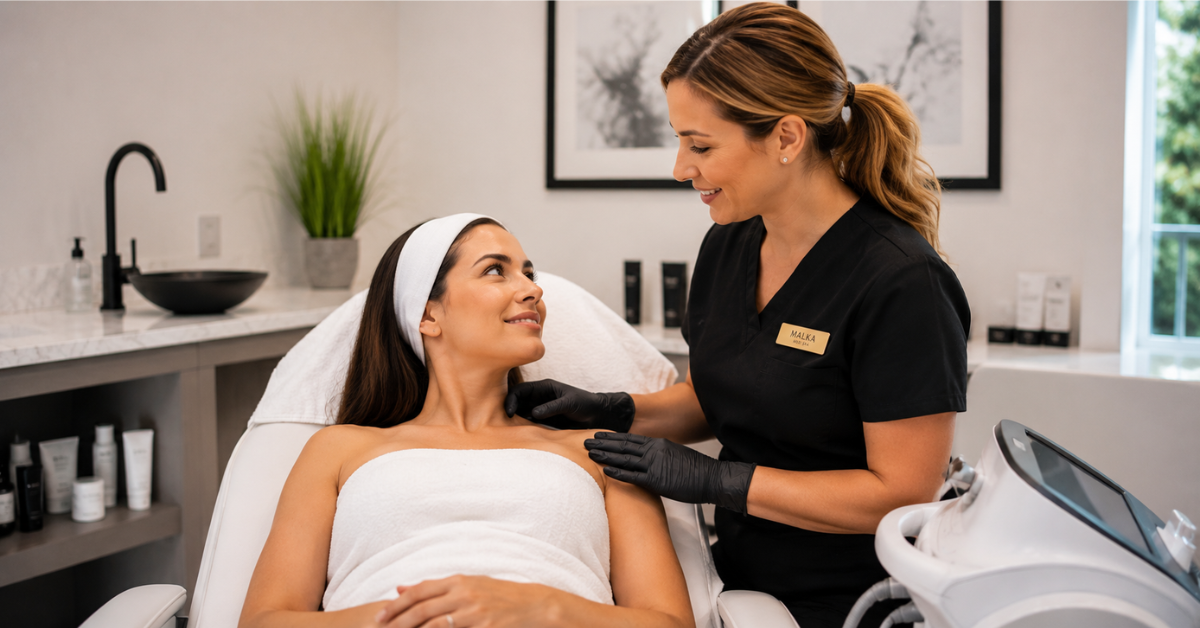
When topical solutions don’t provide the desired results, professional treatments performed by dermatologists or licensed practitioners may be more effective.
1. Chemical Peels
Chemical peels use acids such as glycolic acid, salicylic acid, or lactic acid to exfoliate the top layer of the skin. By removing damaged cells, these peels promote new, even-toned skin growth. Mild peels can be done at home, but deeper peels require professional supervision for optimal results and safety.
2. Laser Therapy
Laser treatments, like fractional lasers or intense pulsed light (IPL), target pigmented cells without damaging surrounding tissue. These treatments break down melanin deposits and stimulate collagen production, resulting in a clearer, more even complexion.
3. Microdermabrasion
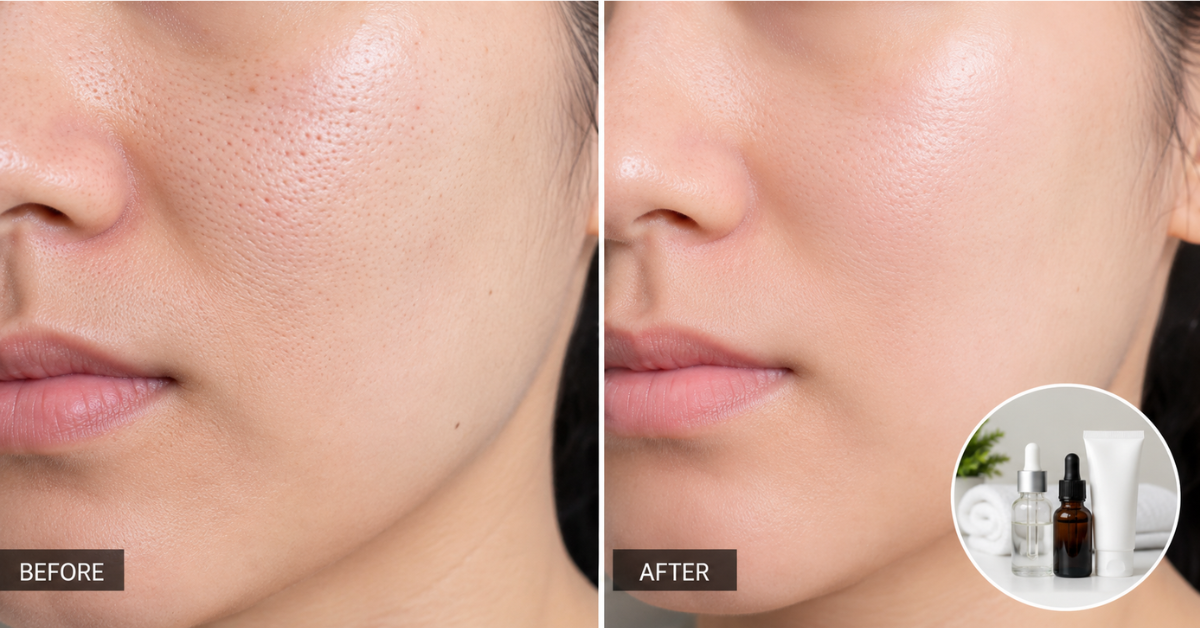
Microdermabrasion is a non-invasive procedure that uses tiny crystals to exfoliate the skin’s surface. This process removes pigmented cells and encourages the growth of healthy skin. It’s suitable for mild pigmentation issues and can be done in multiple sessions for noticeable results.
4. Microneedling
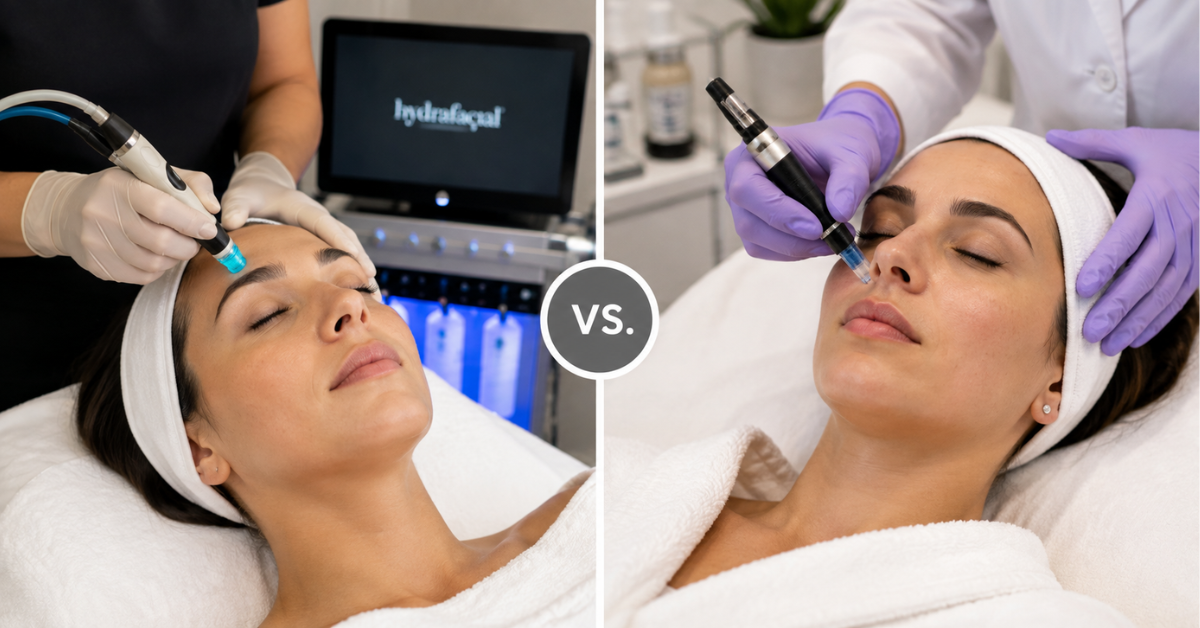
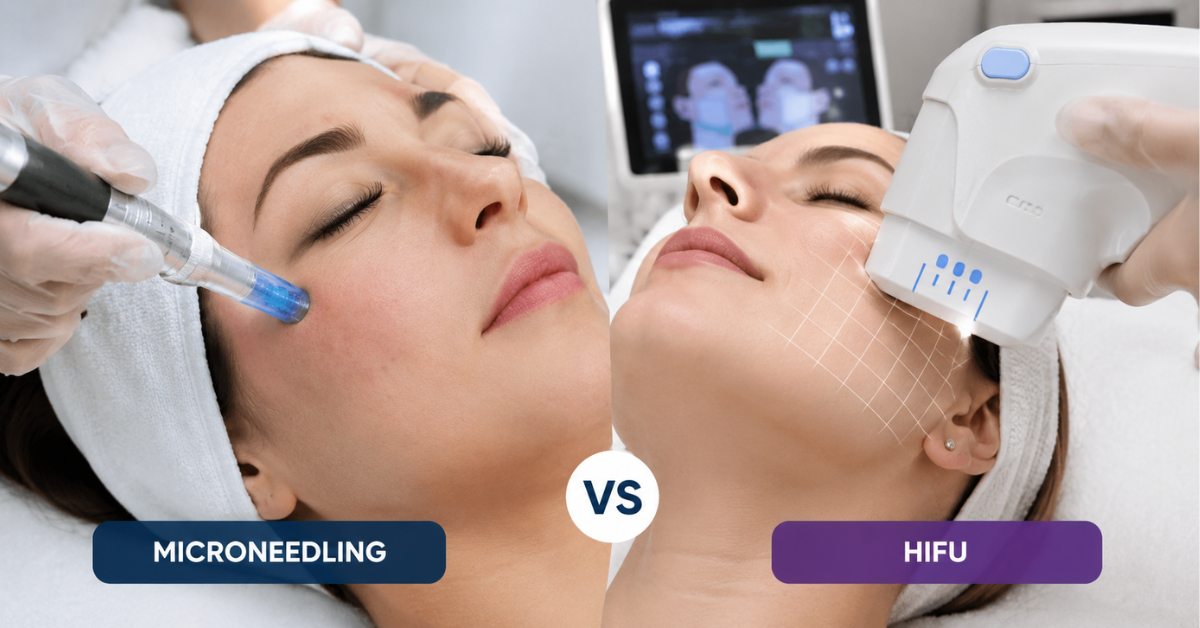
Microneedling involves using tiny needles to create micro-injuries in the skin, stimulating the body’s natural healing process. When combined with topical treatments, it enhances the penetration of active ingredients and improves skin texture and tone.
Natural Remedies for Skin Pigmentation
For those seeking gentler options, natural remedies can complement professional treatments or serve as an initial approach to manage pigmentation. Ingredients like aloe vera, licorice extract, and niacinamide are known for their skin-brightening properties. While these remedies are less potent than clinical treatments, consistent use can yield gradual improvements.
Preventing Skin Pigmentation
Prevention is key to managing pigmentation issues effectively. Daily use of sunscreen with a high SPF is essential to protect the skin from UV damage, which exacerbates pigmentation. Wearing protective clothing, wide-brimmed hats, and seeking shade during peak sun hours further minimizes risk.
Furthermore, a good skincare routine incorporating antioxidants, gentle exfoliants, and moisturizers can help maintain an even complexion and prevent new pigmentation from forming.
Choosing the Right Treatment
The best treatment for skin pigmentation depends on its type, severity, and underlying cause. Consulting a dermatologist is crucial to determine the most suitable approach. While mild pigmentation can often be managed with over-the-counter products, stubborn or widespread issues may require professional intervention.
Conclusion
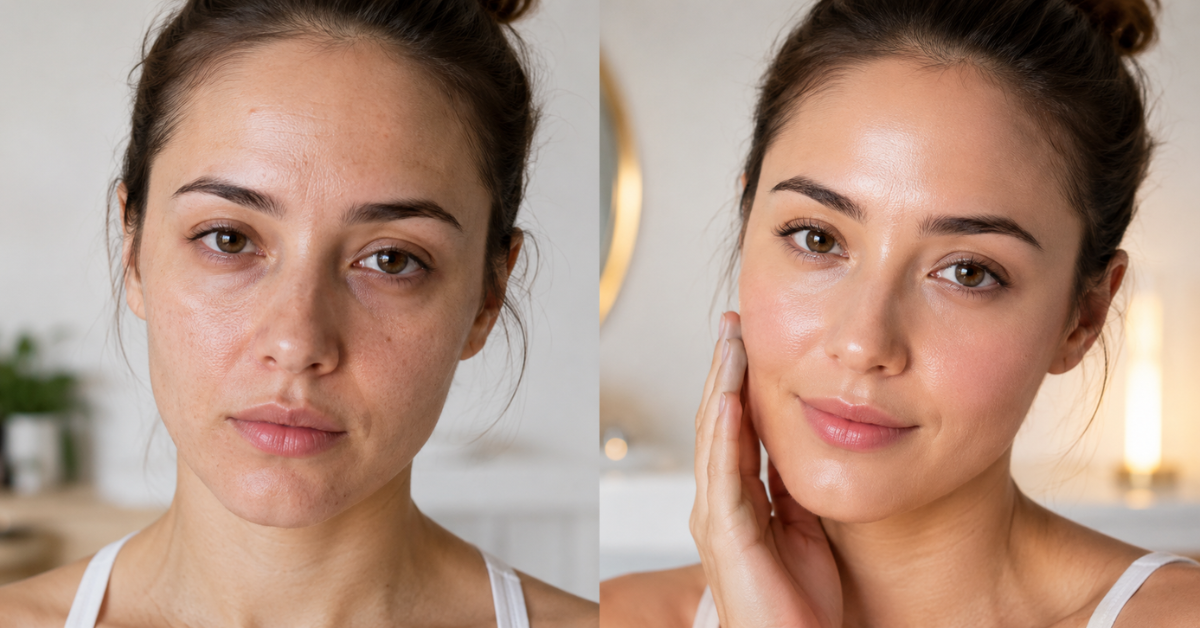
Skin pigmentation is a common concern, but it doesn’t have to be permanent. With a range of effective treatments, from topical solutions like hydroquinone and vitamin C to advanced therapies like laser treatments and chemical peels, achieving clear, even-toned skin is possible. Consistent skincare and sun protection are essential for maintaining results and preventing future pigmentation.
No matter the treatment route, patience and professional guidance can help you achieve the radiant complexion you desire.