How Do I Know If My Acne Scars Are Pitted or Pigmented?
If you’ve struggled with acne, you’re not alone in wondering what kind of marks it left behind. Many people look in the mirror and ask, “Are these real scars, or just dark marks?” Understanding the difference between pitted vs pigmented acne scars is one of the most important steps toward choosing the right treatment—and avoiding frustration.
The good news? You don’t need to be a dermatologist to get a basic idea. With a little guidance and careful observation, you can usually tell whether your acne scars are pitted (textural) or pigmented (color-related). This article breaks it all down in simple, beginner-friendly language so you can confidently identify what’s going on with your skin.
Why It’s Important to Know Your Acne Scar Type
Before we dive into details, let’s talk about why this matters. Different acne scar types respond to very different treatments. What works wonders for dark marks may do nothing for deep pits—and vice versa.
Many people waste time and money using the wrong products simply because they misidentify their scars. Knowing whether you’re dealing with pitted acne scars or pigmented acne scars helps you:
- Set realistic expectations
- Choose effective treatments
- Avoid skin damage from unnecessary procedures
In short, correct identification saves you time, money, and stress.
The Two Main Types of Acne Scars Explained
Acne scars generally fall into two broad categories: scars that affect texture and marks that affect color. Let’s explore each in detail.
What Are Pitted Acne Scars?
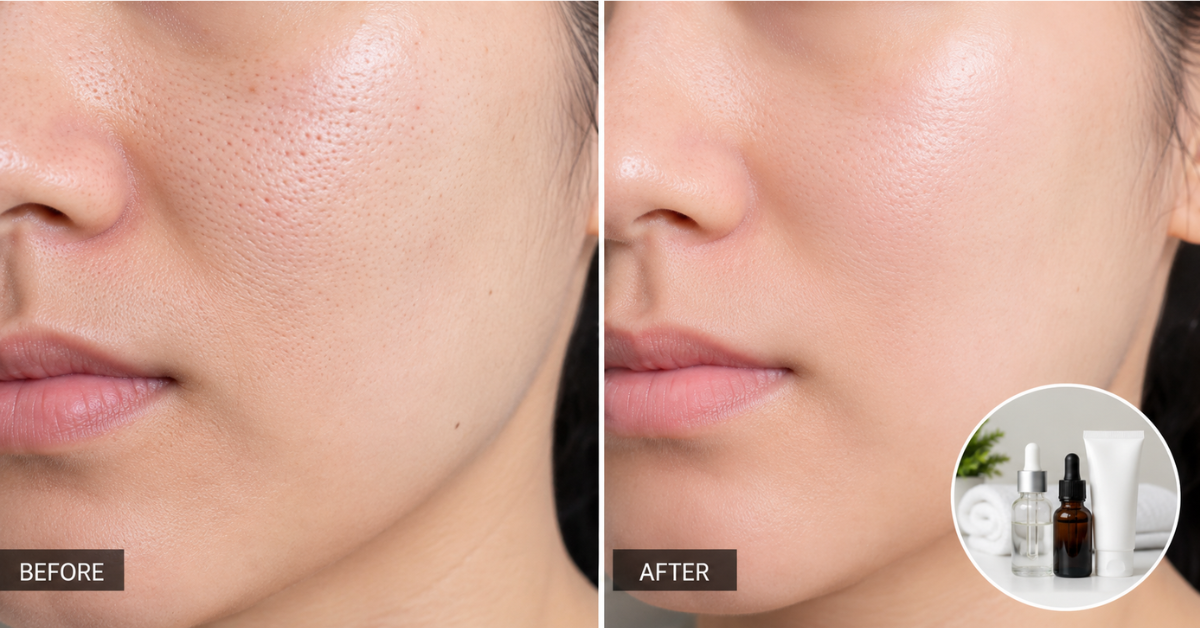
Pitted acne scars are true scars that change the texture of your skin. They form when acne damages the deeper layers of skin and your body doesn’t produce enough collagen during healing.
How Pitted Acne Scars Look and Feel
When comparing pitted vs pigmented acne scars, pitted scars are easy to spot by touch. Run your fingers gently across your skin. If it feels uneven, dented, or bumpy, you’re likely dealing with pitted scars.
Common characteristics include:
- Small holes or depressions
- Uneven skin texture
- Shadows that become more visible under certain lighting
These scars do not disappear when you stretch the skin or change lighting.
Types of Pitted Acne Scars
There are several forms of pitted acne scars, but you don’t need to memorize medical terms to recognize them. In general:
- Some look narrow and deep
- Others appear wider and shallow
- Some have sloping edges that make skin look wavy
All of them involve a physical loss of skin tissue.
What Are Pigmented Acne Scars?
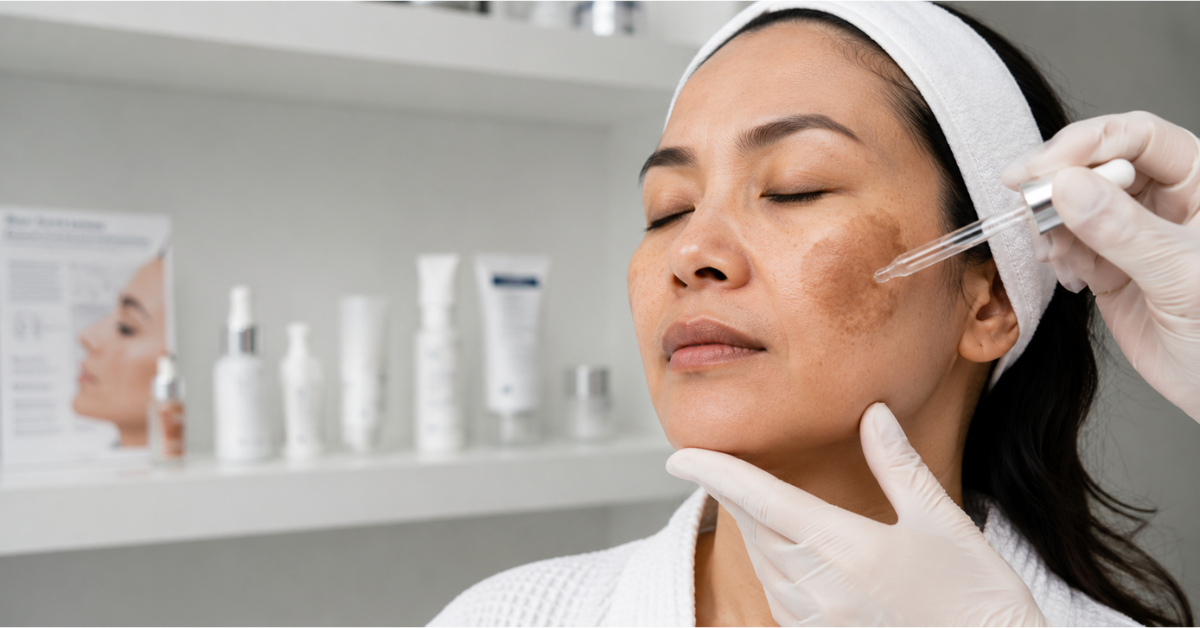
Pigmented acne scars are not true scars. They are color changes left behind after acne heals. This is one of the most misunderstood acne scar types.
How Pigmented Acne Scars Look and Feel
Unlike pitted scars, pigmented marks do not change skin texture. If your skin feels smooth but looks discolored, you’re likely dealing with pigmentation.
These marks can appear as:
- Red or pink spots
- Brown or dark patches
- Purple or gray tones (more common in deeper skin tones)
In the pitted vs pigmented acne scars comparison, pigmentation is flat and smooth to the touch.
Why Pigmentation Happens
Pigmented acne scars form when inflammation triggers excess melanin (skin pigment) production. They’re more common if you:
- Pick or squeeze acne
- Have medium to dark skin tones
- Experience frequent inflammatory breakouts
The key thing to remember is that pigmentation sits on the surface—it doesn’t involve permanent tissue damage.
Pigmentation: What Makes It Worse and How to Stop It Early
Simple At-Home Tests to Tell the Difference
You can often identify your acne scar type with a few easy checks.
The Touch Test
Close your eyes and gently feel your skin:
- Rough or dented texture → likely pitted acne scars
- Smooth skin with color changes → likely pigmented acne scars
The Light Test
Stand near a window or under bright lighting:
- Shadows that change with angles → pitted scars
- Same appearance under all lighting → pigmentation
The Stretch Test
Gently stretch the skin:
- If marks stay visible → pitted scars
- If marks fade slightly → pigmentation
These tests make the pitted vs pigmented acne scars difference much clearer for beginners.
Can You Have Both Types at the Same Time?
Yes—and this is very common. Many people have a mix of acne scar types. For example, you might have:
- Shallow pits on the cheeks
- Dark spots on the jawline
This is why some treatments help one issue but leave the other unchanged. Mixed scarring requires a combination approach.
How Long Do Pitted and Pigmented Scars Last?
Pitted Acne Scars
Pitted scars are permanent without professional treatment. Skincare products alone cannot rebuild lost collagen. However, they can be improved significantly with the right procedures.
Pigmented Acne Scars
Pigmentation often fades on its own over time. Depending on your skin type and sun exposure, it may take:
- A few months
- Up to a year or more
Sun protection plays a major role in how fast these marks fade.
Treatment Options Based on Scar Type
Understanding pitted vs pigmented acne scars makes treatment decisions much easier.
Treating Pigmented Acne Scars
Pigmented scars respond well to topical care and lifestyle habits. These treatments focus on correcting skin tone and speeding up cell turnover.
With consistency, many people see noticeable improvement.
Treating Pitted Acne Scars
Pitted scars usually need in-office procedures. These aim to stimulate collagen or physically resurface the skin.
Results take time, but improvements are often dramatic when treatments are done correctly.
What is the Best Treatment for Adult Acne Scars?
Common Mistakes People Make
One of the biggest mistakes is treating pitted scars like pigmentation. Lightening creams won’t fix dents. Similarly, aggressive procedures aren’t necessary for simple dark marks.
Another common mistake is impatience. Pigmentation fades slowly, and collagen rebuilding takes months. Understanding your scar type helps manage expectations.
When Should You See a Professional?
If you’re unsure after self-checks, a dermatologist can confirm your acne scar type quickly. Professional evaluation is especially helpful if:
- Scars affect your confidence
- Over-the-counter treatments aren’t working
- You have mixed scar types
A clear diagnosis prevents wasted effort.
Conclusion
Once you truly understand pitted vs pigmented acne scars, skincare becomes far less confusing. Pitted scars affect texture and need collagen-focused treatments. Pigmented scars affect color and usually fade with time and proper care. Take a close look at your skin, use the simple tests, and be patient with the process. Acne scars can improve—but only when treated the right way.
Frequently Asked Questions (FAQ)
Q: Are pitted acne scars permanent?
A: Yes, pitted acne scars are permanent without professional treatment, but they can be significantly improved.
Q: Do pigmented acne scars go away on their own?
A: In many cases, yes. With sun protection and time, pigmented scars often fade naturally.
Q: Can skincare products fix pitted acne scars?
A: Topical products alone cannot fix pitted scars, but they can improve overall skin quality.
Q: Why do my scars look worse in sunlight?
A: Shadows highlight texture, making pitted scars more visible under strong light.
Q: Can acne scars get worse over time?
A: Pigmented scars can darken with sun exposure, while pitted scars usually stay the same unless treated.