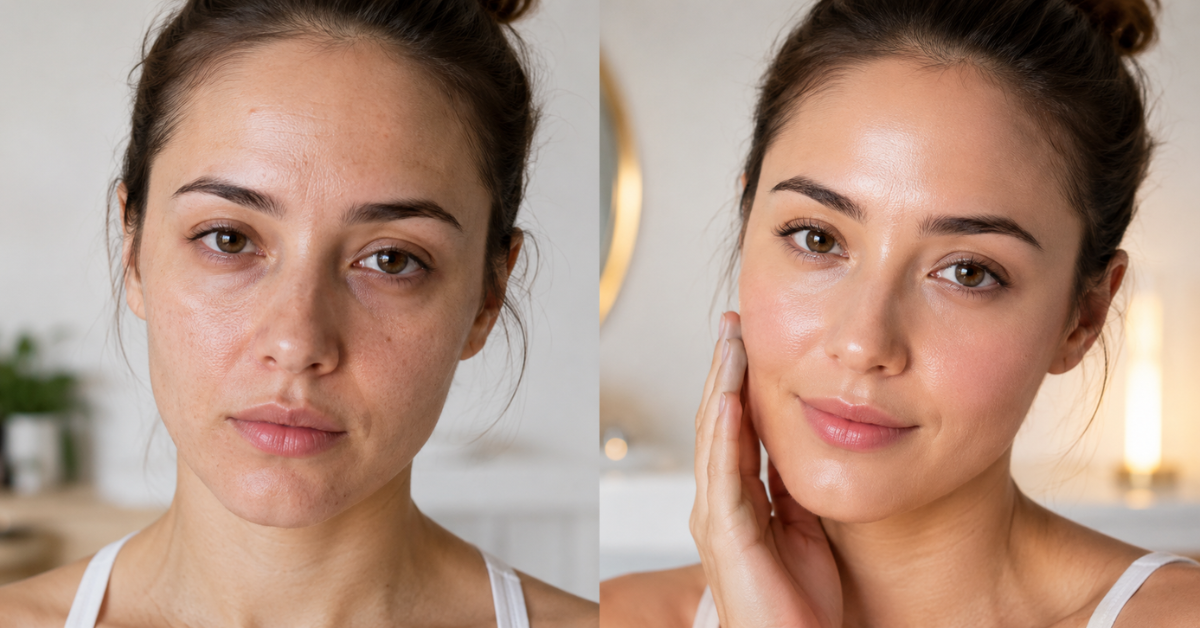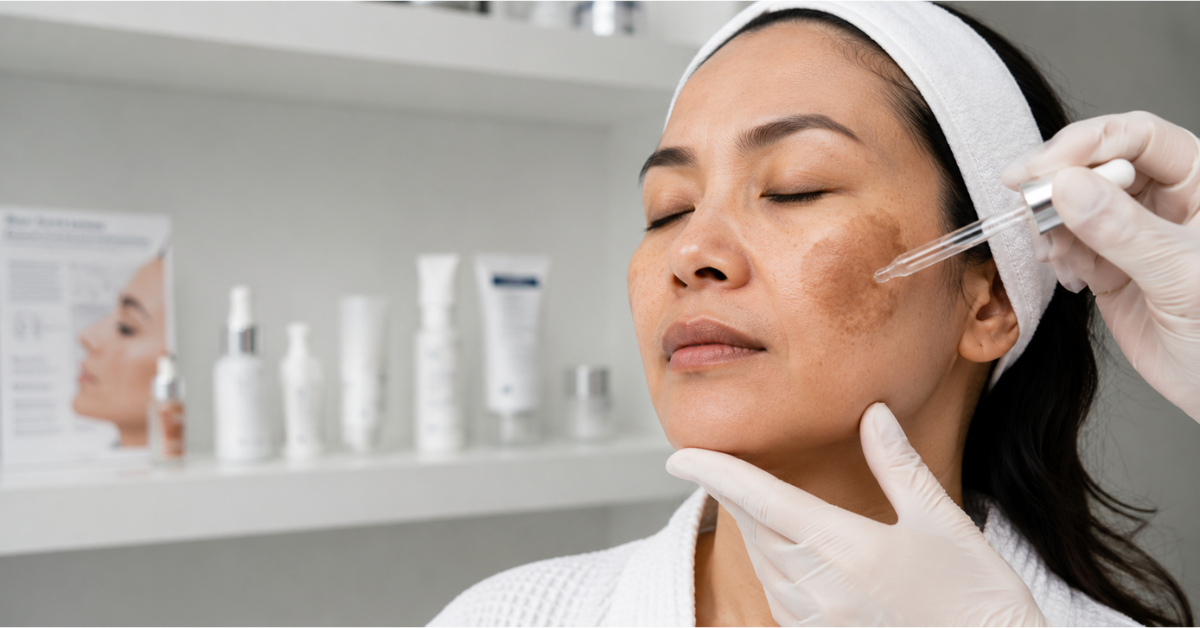
Is Texture & Brightening Treatment Good for Uneven Skin Tone?
If your skin looks patchy, dull, or slightly darker in certain areas, you’re likely dealing with uneven skin tone. It’s one of the most common skincare concerns, affecting people of all ages and skin types. The good news? A well-planned Texture & Brightening Treatment routine can make a noticeable difference. But does it really work? And more importantly, is it the right solution for your skin? Let’s break it down in simple, practical terms so you can decide confidently.
What Causes Uneven Skin Tone?
Before we talk about solutions, it’s important to understand the root causes. Uneven skin tone isn’t random. It usually happens because of:
- Sun exposure
- Post-acne marks
- Hormonal changes
- Inflammation
- Aging
- Dead skin buildup
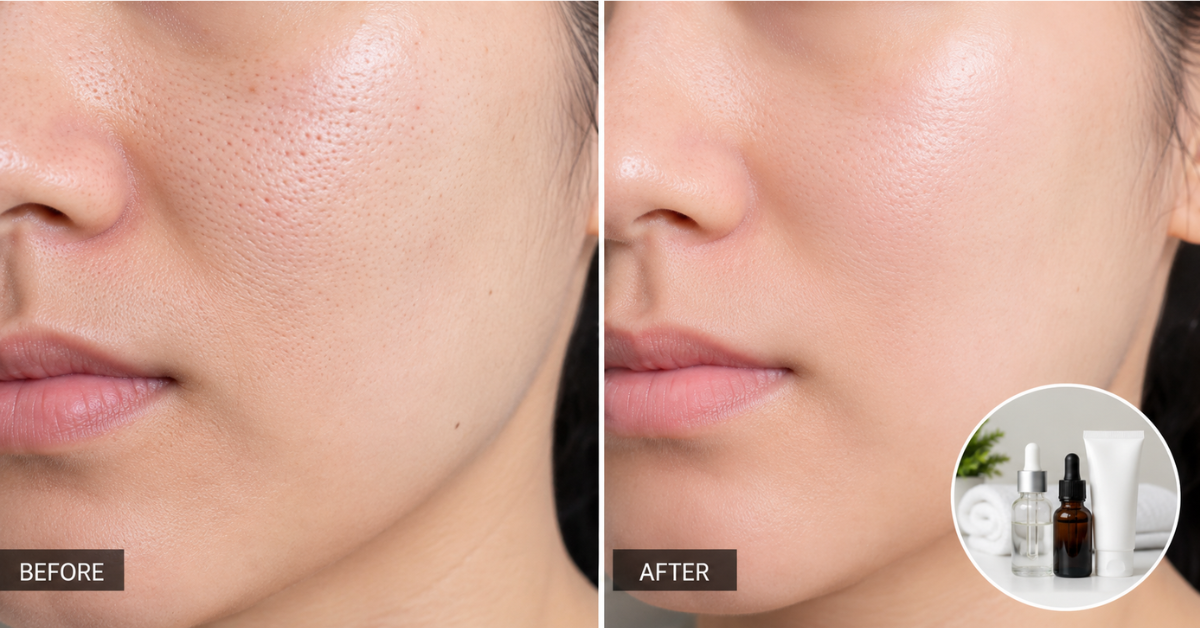
Over time, these factors lead to hyperpigmentation, dark spots, and a dull overall appearance. At the same time, rough texture can make discoloration look even more noticeable. That’s why combining texture correction with brightening skincare is often more effective than focusing on just one issue.
How Texture & Brightening Treatment Works
A Texture & Brightening Treatment targets two main concerns at once: surface smoothness and color clarity.
1. Improving Skin Texture First
When your skin feels rough or bumpy, light doesn’t reflect evenly. Even minor texture issues can make pigmentation appear worse than it actually is.
Treatments that focus on skin texture improvement work by:
- Removing dead skin cells
- Clearing clogged pores
- Stimulating new cell growth
- Boosting collagen production
As a result, your skin becomes smoother. Once the surface is refined, brightening ingredients can penetrate better and work more effectively.
2. Reducing Pigmentation and Dark Spots
The “brightening” part focuses on reducing excess melanin production. Ingredients commonly used in uneven skin tone treatment include:
- Vitamin C
- Niacinamide
- Alpha arbutin
- Tranexamic acid
- Retinoids
These ingredients gradually fade dark patches and improve overall clarity. Over time, they help create a more balanced complexion.
Importantly, brightening treatments do not bleach your skin. Instead, they restore your natural tone by reducing discoloration.
Is Texture & Brightening Treatment Actually Effective?
In most cases, yes — when used correctly and consistently.
Uneven skin tone often involves both surface dullness and deeper pigmentation. Addressing only one layer may give limited results. However, combining exfoliation with pigmentation-targeting ingredients creates a more comprehensive solution.
For example, someone with acne marks might see faster improvement when using a mild chemical exfoliant alongside a brightening serum. The exfoliant speeds up cell turnover, while the serum works on fading dark spots.
The key is patience. Results are gradual but meaningful.
At-Home vs Professional Treatments
You have two main options when considering Texture & Brightening Treatment: at-home care or in-clinic procedures.
At-Home Brightening Skincare
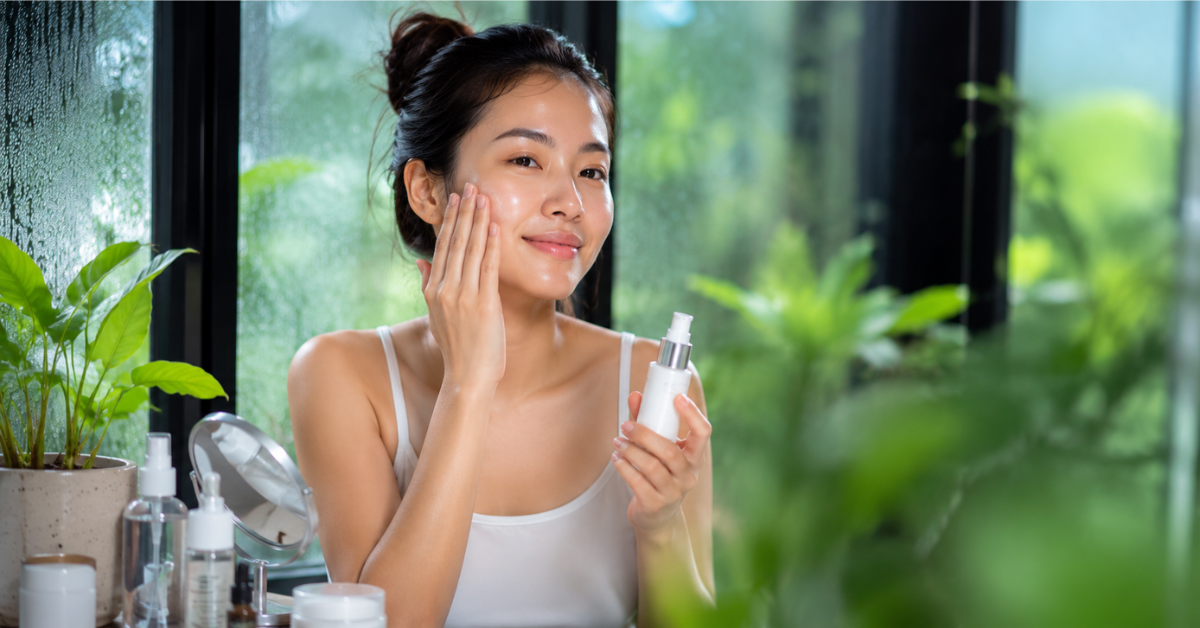
This is the most accessible route. A simple routine might include:
- Gentle cleanser
- Chemical exfoliant (2–3 times weekly)
- Vitamin C serum
- Moisturizer
- Sunscreen
With consistent use, many people notice improvement in 4 to 8 weeks. At-home care is ideal for mild to moderate pigmentation and dull skin treatment.
Professional Uneven Skin Tone Treatment
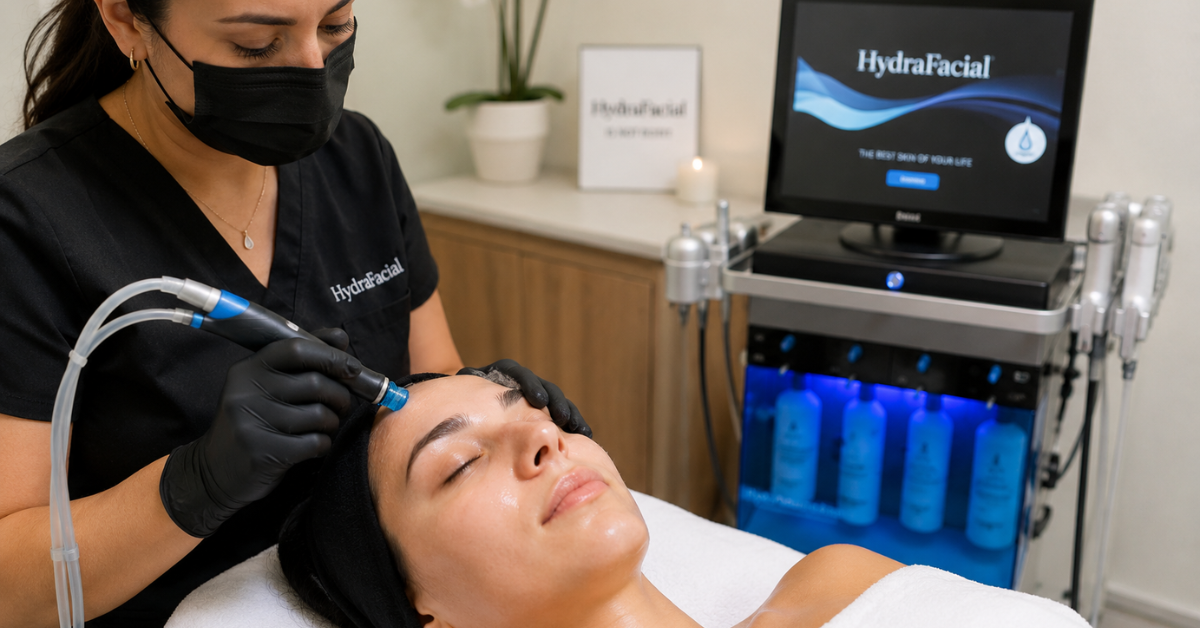
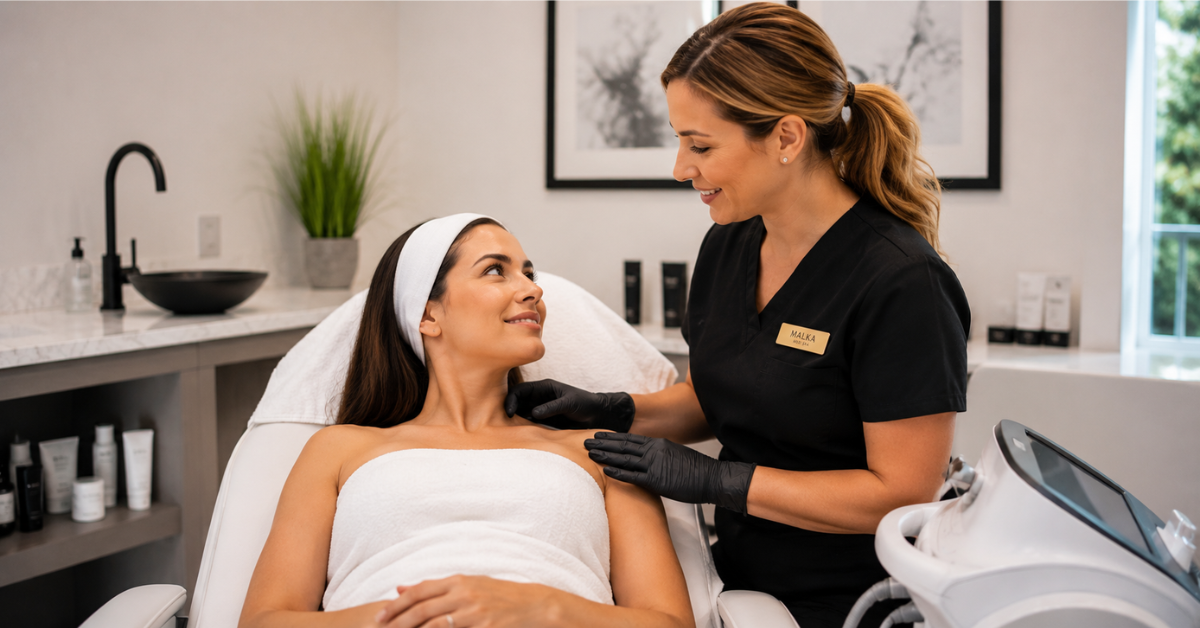
For stubborn hyperpigmentation solutions, professional treatments can offer faster results.
These may include:
- Chemical peels
- Laser therapy
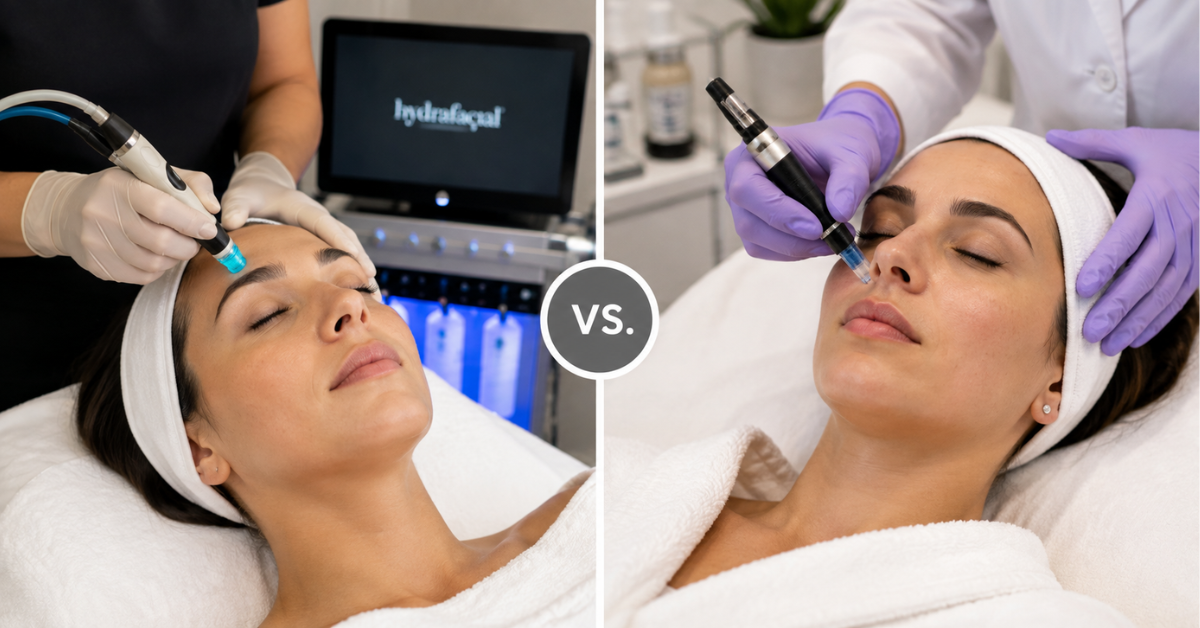
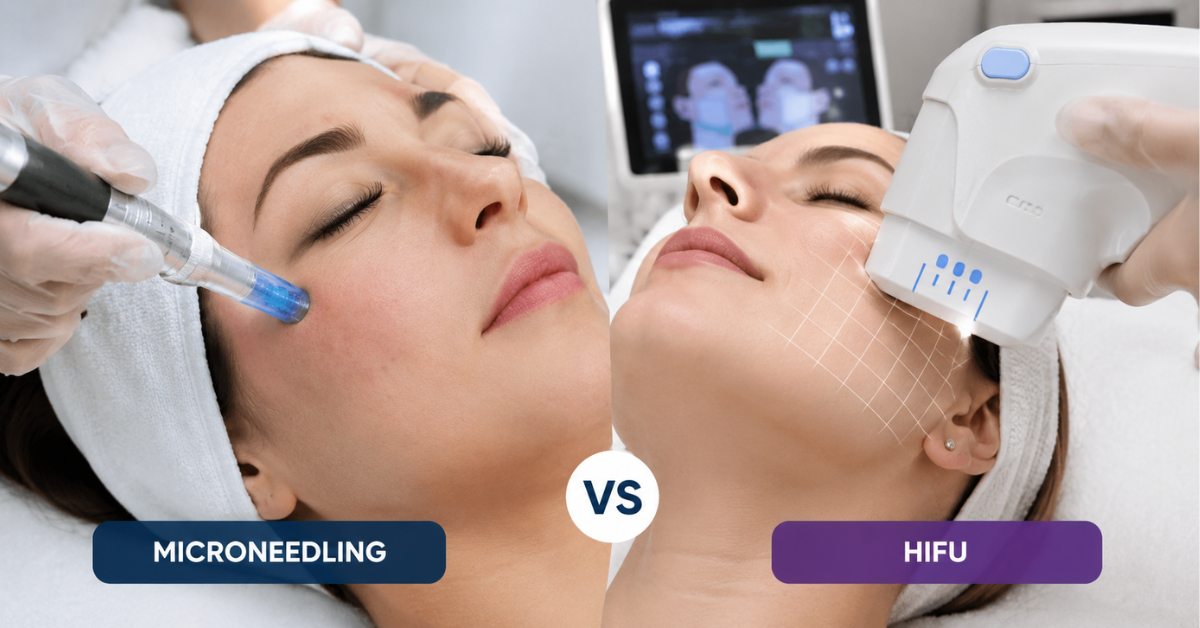
- Microneedling
- IPL (intense pulsed light)
Such treatments go deeper into the skin to break down excess pigmentation and stimulate collagen. However, they require expert supervision and sometimes downtime.
Benefits of Texture & Brightening Treatment
When done correctly, the benefits go beyond just fading dark spots.
More Even Complexion: Pigmentation gradually softens, leading to a balanced skin tone.
Smoother Surface: Exfoliation reduces roughness, making skin feel soft and refined.
Better Makeup Application: Smoother skin helps foundation glide on evenly without clinging to dry patches.
Increased Glow: By removing dead skin and improving circulation, your skin naturally looks more radiant.
Boosted Confidence: Clearer skin often enhances how you feel about your appearance.
Who Should Consider It?
Texture & Brightening Treatment is suitable for:
- People with sun damage
- Individuals with acne scars
- Those noticing dullness
- Anyone experiencing uneven skin tone
However, people with highly sensitive skin or active inflammatory conditions should consult a dermatologist before starting strong treatments.
How Long Does It Take to See Results?
It depends on your approach. At-home products may show visible improvement within a month. Deeper hyperpigmentation solutions can take several months. Professional treatments may deliver faster results, but they still require multiple sessions for optimal improvement.
Consistency is far more important than intensity.
Are There Any Risks?
Mild redness, dryness, or peeling may occur initially, especially with retinoids or chemical exfoliants. These effects are usually temporary. Severe irritation, however, is a sign to stop and seek professional advice.
When used correctly, Texture & Brightening Treatment is generally safe and well tolerated.
Conclusion
If uneven skin tone is your main concern, Texture & Brightening Treatment is one of the most effective solutions available. By smoothing the surface and targeting pigmentation at the same time, it offers a comprehensive approach rather than a temporary fix. It won’t deliver overnight miracles. However, with consistent care, sun protection, and patience, you can expect smoother, clearer, and more radiant skin over time.
The secret lies in balance — not harshness.
Frequently Asked Questions
Q1. Can texture & brightening treatment permanently remove dark spots?
A: Some pigmentation can fade significantly, but maintenance is necessary to prevent recurrence.
Q2. Is it safe for sensitive skin?
A: Yes, but choose gentle formulas and introduce them slowly. Consult a dermatologist if unsure.
Q3. How often should I exfoliate for uneven skin tone?
A: Most skin types benefit from exfoliating 2–3 times per week. Overdoing it can cause irritation.
Q4. Do brightening treatments lighten my natural skin color?
A: No. They reduce discoloration and restore your natural complexion rather than changing it.