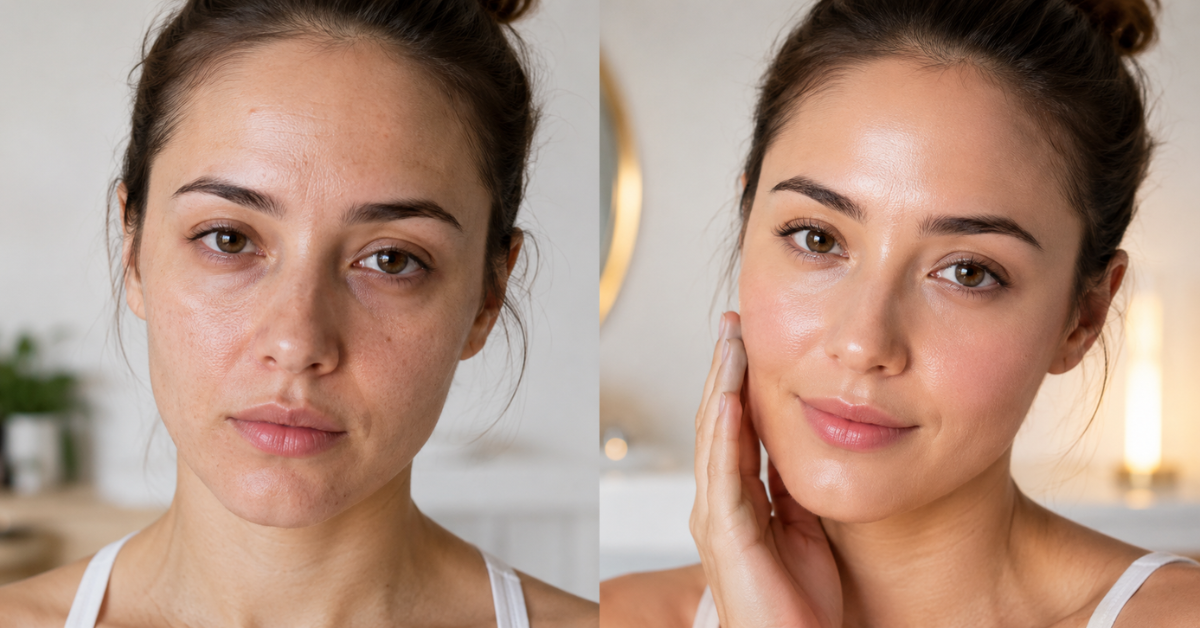
Is EMS Treatment Risky for Face and Skin Tightening?
EMS treatments have become increasingly popular in the beauty and skincare world. From at-home facial devices to professional clinic treatments, many people are turning to Electrical Muscle Stimulation as a non-invasive way to lift, firm, and tighten facial skin. However, with rising popularity comes an important question: is EMS treatment risky for face and skin tightening?
If you’re new to EMS or considering it as part of your skincare routine, it’s natural to have concerns. After all, anything involving electrical stimulation sounds serious. The good news is that EMS facial treatments are generally considered safe when used correctly. Still, like any cosmetic technology, they come with limitations, precautions, and potential risks.
In this article, we’ll break down how EMS works, its safety profile, possible side effects, and who should or shouldn’t use it—so you can make an informed decision with confidence.
What Is EMS Treatment for the Face?
EMS face treatment uses low-level electrical impulses to stimulate facial muscles beneath the skin. These impulses cause muscles to contract and relax, similar to how they work during natural facial movements.
Over time, this stimulation can help improve muscle tone, enhance blood circulation, and support skin tightening. That’s why EMS is often marketed as a non-surgical alternative to facial lifting or anti-aging treatments.
EMS facial therapy is commonly used for:
- Improving skin firmness
- Reducing the appearance of fine lines
- Enhancing facial contour
- Supporting collagen production
Is EMS Treatment Risky When Used Correctly?
The short answer is no—EMS treatment is not risky for most people when used properly. EMS technology has been used for years in physical therapy and medical rehabilitation before becoming popular in skincare.
That said, safety depends on several factors:
- Correct intensity settings
- Proper device usage
- Skin condition and sensitivity
- Following manufacturer or professional guidelines
Problems typically arise when EMS devices are overused, used incorrectly, or applied by individuals who shouldn’t be using them at all.
How EMS Skin Tightening Works
EMS skin tightening doesn’t directly tighten the skin itself. Instead, it targets the facial muscles that support the skin. When these muscles become stronger and more toned, the skin above them can appear firmer and more lifted.
Additionally, EMS anti-aging treatment increases blood flow and oxygen delivery to the skin. This helps improve skin texture and can give the face a healthier, more refreshed look over time.
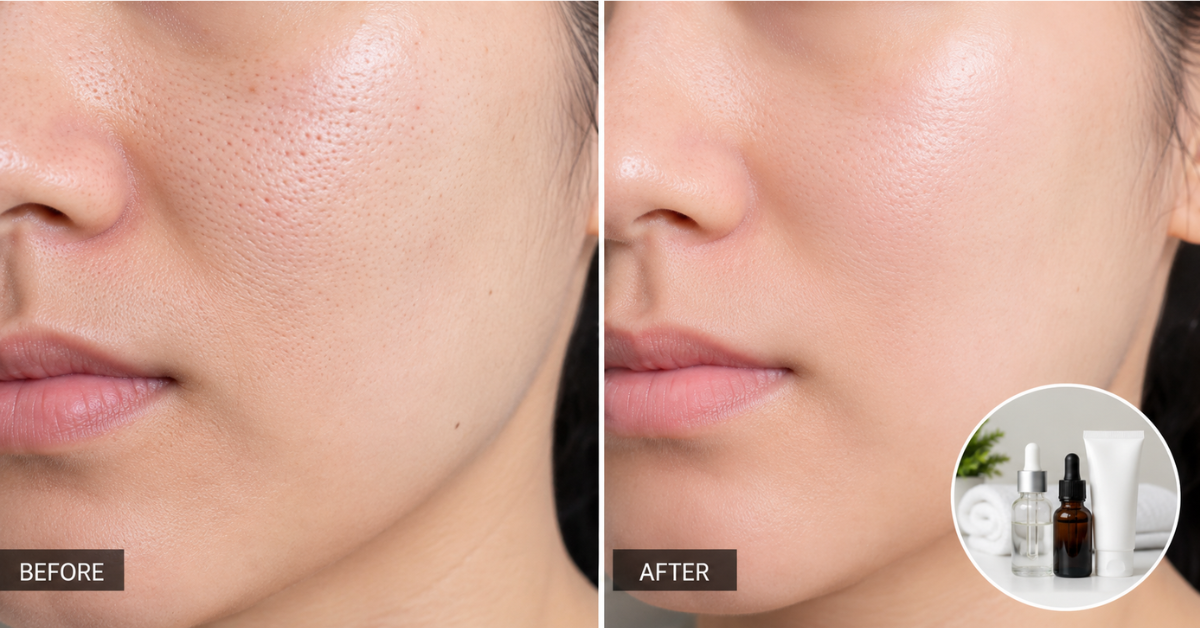
Results are usually gradual and depend on consistency, device quality, and proper usage.
Potential Side Effects of EMS Facial Treatment
While EMS facial therapy safety is generally high, mild side effects can occur, especially for beginners.
Common, Mild Side Effects
These effects are usually temporary and harmless:
- Slight tingling or twitching during treatment
- Mild redness after use
- Temporary muscle fatigue
These symptoms often fade within minutes or hours after treatment.
Less Common Risks
More noticeable side effects may occur if EMS is misused:
- Skin irritation from excessive intensity
- Muscle soreness from overuse
- Headaches if used too long in one session
Using the device as instructed and starting with low intensity significantly reduces these risks.
Who Should Avoid EMS Face Treatment?
Although EMS skin tightening is safe for many users, it’s not suitable for everyone.
EMS treatment may not be recommended for people who:
- Have pacemakers or implanted medical devices
- Are pregnant
- Have epilepsy or neurological disorders
- Have active skin infections or open wounds
- Recently had facial surgery or fillers
If you fall into any of these categories, consult a medical professional before trying EMS facial therapy.
EMS at Home vs Professional EMS Treatments
Both at-home and professional EMS treatments can be effective, but they differ in intensity and supervision.
At-home devices are designed for safety and convenience. They operate at lower power levels and are ideal for beginners or regular maintenance.
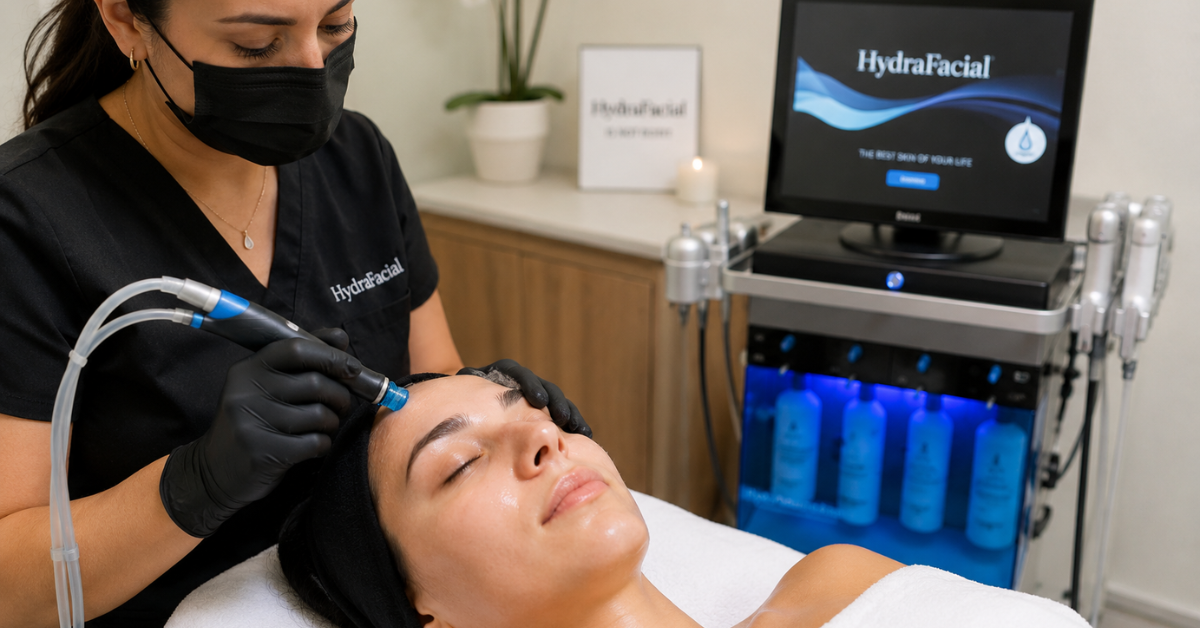
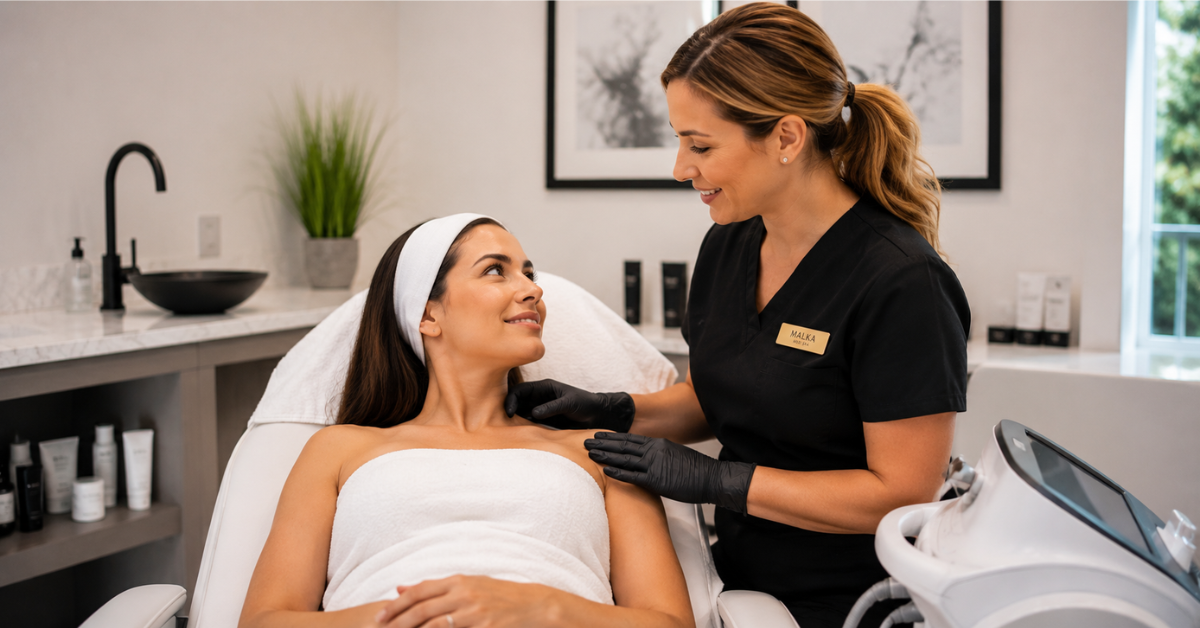
Professional treatments, on the other hand, use stronger devices and are performed by trained specialists. While results may be faster, professional sessions require proper assessment to ensure safety.
In both cases, correct usage is key to avoiding risk.
How to Use EMS Safely for Face and Skin Tightening
To minimize risks and maximize benefits:
- Start with the lowest intensity setting
- Limit sessions to recommended durations
- Avoid using EMS on irritated or broken skin
- Follow the device instructions carefully
- Don’t overuse—more is not always better
Consistency and moderation are more effective than aggressive treatments.
Is EMS Risky Compared to Other Skin Tightening Treatments?
Compared to invasive procedures like surgical facelifts or injectables, EMS is significantly less risky. It doesn’t involve needles, anesthesia, or downtime. However, EMS results are also more subtle. If you’re expecting dramatic overnight changes, you may be disappointed. EMS works best as a gradual, supportive anti-aging treatment rather than a replacement for medical procedures.
Conclusion
So, is EMS treatment risky? For most people, the answer is no—when used correctly and responsibly.
EMS face treatment offers a safe, non-invasive way to support skin tightening and muscle toning. While mild side effects can occur, serious risks are rare when guidelines are followed. As with any skincare technology, understanding your skin, using the device properly, and knowing your limits are essential.
If you’re looking for a gentle, modern approach to facial rejuvenation, EMS can be a worthwhile option—especially when safety comes first.
FAQs
Q: Is EMS treatment safe for daily use?
A: Most EMS devices are not designed for daily use. Using them 2–4 times per week is generally recommended.
Q: Can EMS damage facial nerves?
A: No, EMS devices for facial use operate at safe levels and do not damage nerves when used correctly.
Q: How long does it take to see EMS results?
A: Visible results may appear after a few weeks of consistent use, depending on skin condition and frequency.
Q: Is EMS suitable for sensitive skin?
A: Yes, but users with sensitive skin should start at the lowest intensity and monitor reactions carefully.
Q: Can EMS replace professional cosmetic treatments?
A: EMS supports skin tightening and toning but cannot fully replace medical or surgical procedures.