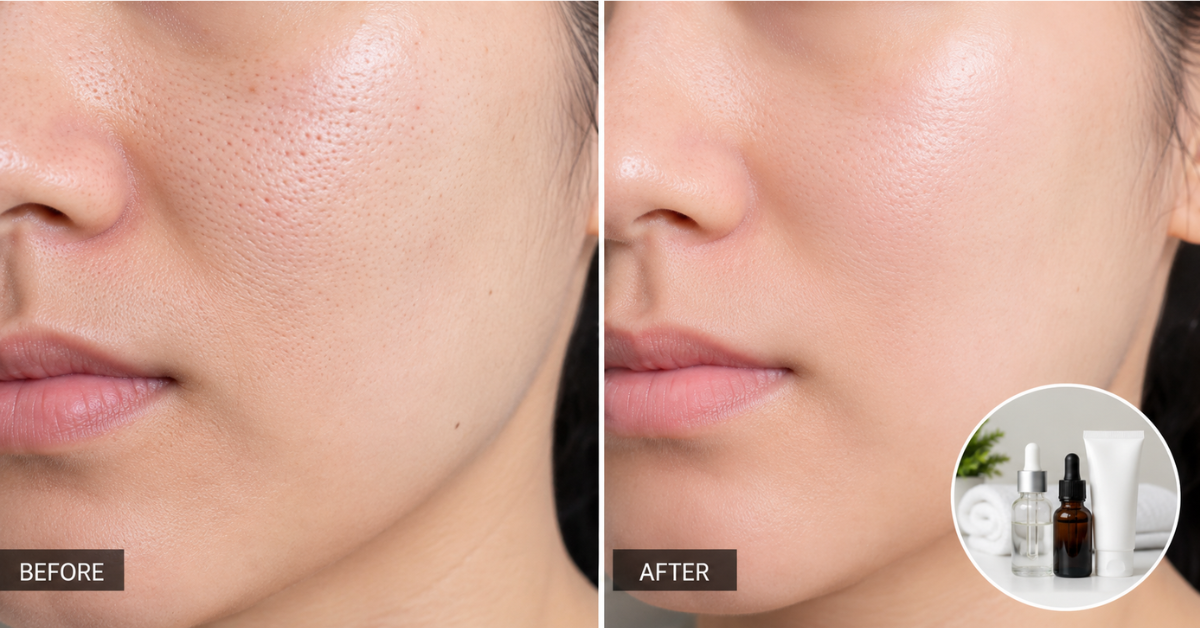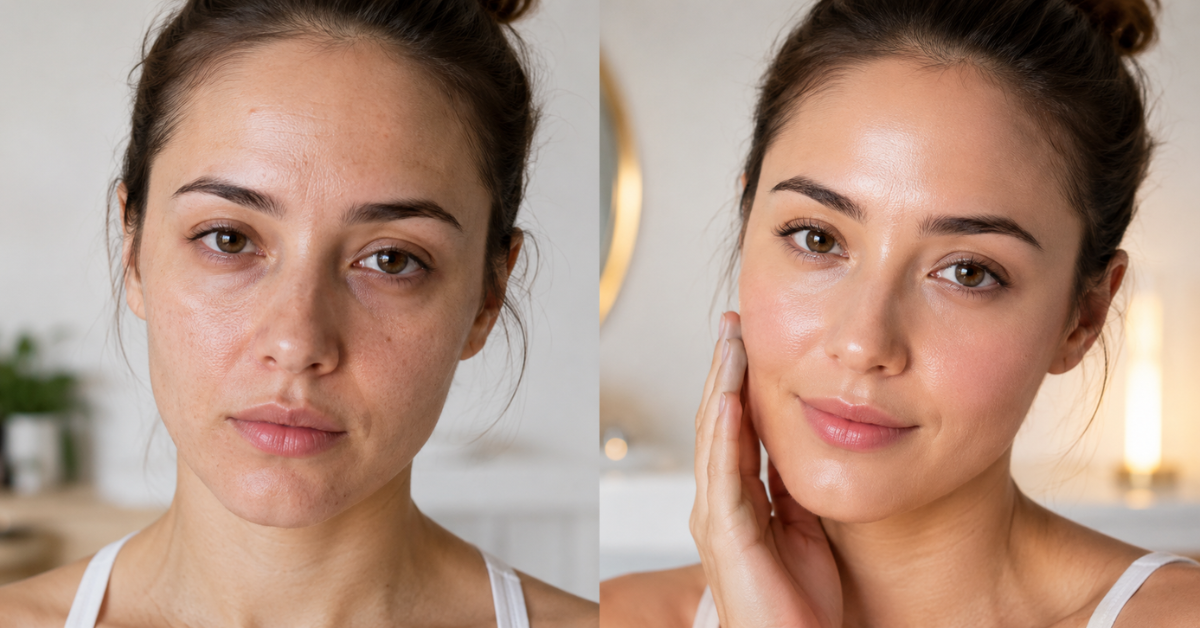
What is EMS Face Sculpting and How Does it Work?
In the pursuit of youthful and defined facial contours, individuals have turned to a variety of techniques and treatments to achieve their desired appearance. One such innovative approach gaining popularity is EMS (Electrical Muscle Stimulation) face sculpting, a non-invasive method designed to tone and sculpt the facial muscles for a rejuvenated look. This transformative procedure harnesses the power of electrical impulses to stimulate muscle contractions, resulting in improved muscle tone, enhanced facial contours, and a more youthful appearance overall. In this comprehensive guide, we will delve into the intricacies of EMS face sculpting, exploring its mechanism of action, benefits, and its significance in the realm of facial rejuvenation.
EMS face sculpting involves the application of low-level electrical currents to targeted areas of the face, prompting involuntary muscle contractions. These contractions mimic the natural movements of facial muscles, effectively exercising and toning them to achieve a firmer and more lifted appearance. Unlike traditional facial exercises or manual massage techniques, EMS face sculpting delivers precise and controlled impulses directly to the muscles, ensuring optimal stimulation without unnecessary strain or tension. As a result, individuals can experience noticeable improvements in facial contouring and firmness with minimal effort and in a relatively short period.
Importance of Facial Toning and Sculpting
Facial toning and sculpting play a crucial role in maintaining a youthful and radiant appearance as we age. Over time, factors such as gravity, sun exposure, and the natural aging process can lead to a loss of muscle tone and definition in the face, resulting in sagging skin, fine lines, and wrinkles. By targeting and strengthening the underlying facial muscles, EMS face sculpting helps to combat these signs of aging, restoring firmness and elasticity to the skin. Also, by enhancing facial contours and symmetry, EMS face sculpting can improve overall facial harmony and balance, contributing to a more aesthetically pleasing appearance. As such, EMS face sculpting has emerged as a valuable tool in the arsenal of non-invasive facial rejuvenation techniques, offering individuals a safe, effective, and convenient means of achieving their desired facial aesthetic.
How Ems Is Used In Facial Sculpting
EMS, or Electrical Muscle Stimulation, is a technology that utilizes electrical impulses to contract muscles involuntarily. These impulses mimic the natural signals sent by the nervous system to stimulate muscle fibers, causing them to contract and relax. In the context of facial sculpting, EMS technology is applied through specialized devices that deliver these electrical impulses to targeted areas of the face, facilitating muscle toning and firming without the need for manual exercises.
In facial sculpting, EMS technology is harnessed to stimulate the muscles of the face, promoting muscle activity and toning for improved facial contours. EMS devices designed for facial sculpting typically feature small electrodes or pads that are placed on specific areas of the face, such as the cheeks, jawline, or forehead. These electrodes deliver controlled electrical currents to the underlying facial muscles, inducing contractions that mimic natural facial movements. By repeatedly stimulating the muscles in this manner, EMS promotes muscle strength, tone, and definition, resulting in a firmer, more lifted appearance over time.
Mechanism of Action
EMS technology works by delivering electrical impulses to motor neurons, which are nerve cells responsible for activating muscle contractions. These impulses bypass the brain and directly stimulate the motor neurons, causing the associated muscles to contract. In facial sculpting, EMS devices target specific facial muscles, such as the orbicularis oculi around the eyes or the zygomaticus major in the cheeks, to induce contractions and promote muscle activity. The intensity and frequency of the electrical impulses can be adjusted to accommodate individual comfort levels and treatment goals.
The electrical impulses generated by EMS devices trigger rapid and coordinated muscle contractions, resulting in increased muscle activity and engagement. These contractions help to strengthen and tone the targeted muscles, promoting firmer and more defined facial contours. Also, the repetitive muscle contractions induced by EMS can enhance blood circulation in the treated area, facilitating the delivery of oxygen and nutrients to the skin cells. Improved blood flow can promote skin health and vitality, contributing to a more radiant and youthful complexion. Overall, EMS technology offers a non-invasive and effective approach to facial sculpting, harnessing the power of electrical impulses to rejuvenate and revitalize the skin from within.
Benefits of EMS Face Sculpting
Improved Muscle Tone And Firmness: One of the primary benefits of EMS face sculpting is its ability to improve muscle tone and firmness in the face. By stimulating muscle contractions through electrical impulses, EMS technology strengthens and tones the underlying facial muscles. This results in a more lifted and sculpted appearance, reducing sagging and promoting a firmer, more youthful-looking complexion.
Reduction Of Fine Lines And Wrinkles: EMS face sculpting can also contribute to the reduction of fine lines and wrinkles on the face. As the facial muscles become toned and strengthened, the overlying skin is lifted and smoothed, diminishing the appearance of fine lines and wrinkles. Additionally, the increased muscle activity induced by EMS technology can stimulate collagen production, further improving skin elasticity and minimizing the signs of aging.
Enhanced Facial Contours And Definition: Another significant benefit of EMS face sculpting is its ability to enhance facial contours and definition. By targeting specific muscle groups, EMS technology can reshape and define areas of the face, such as the cheeks, jawline, and chin. This results in improved facial symmetry and balance, creating a more aesthetically pleasing appearance overall.
Treatment Process
Before undergoing EMS face sculpting treatment, it is important to prepare adequately to ensure optimal results. This may include consulting with a qualified practitioner to assess candidacy and discuss treatment goals. Patients may also be advised to avoid certain medications or skincare products that could interfere with the treatment process. Additionally, staying well-hydrated and maintaining a healthy lifestyle can help support the body's response to EMS treatment and promote optimal muscle recovery.
During an EMS face sculpting session, patients can expect to undergo a series of gentle muscle contractions induced by electrical impulses. The treatment is typically performed in a comfortable and relaxing environment, with patients reclining comfortably while the EMS device is applied to the target areas of the face. The intensity and duration of the electrical impulses can be adjusted according to individual comfort levels and treatment goals. While some patients may experience mild discomfort or tingling sensations during the session, EMS face sculpting is generally well-tolerated, with no downtime required. After the session, patients can immediately resume their normal activities, with noticeable improvements in muscle tone and facial contours becoming apparent over time with regular treatment sessions.
Common areas treated with EMS Face Sculpting
EMS face sculpting can target various areas of the face to achieve a more toned and sculpted appearance. Commonly treated areas include the cheeks, jawline, chin, forehead, and neck. These areas are prone to muscle laxity and may benefit from the toning and lifting effects of EMS technology. Additionally, EMS can be used to address specific concerns such as nasolabial folds, marionette lines, and jowls, helping to improve overall facial symmetry and contour.
Specific muscles targeted for toning and lifting
EMS face sculpting targets specific facial muscles to achieve desired results. For example, the orbicularis oculi muscles around the eyes can be targeted to reduce the appearance of crow's feet and lift the eyebrows. The zygomaticus major and minor muscles in the cheeks can be stimulated to enhance cheekbone definition and lift sagging skin. Other muscles commonly targeted include the platysma muscles in the neck and the frontalis muscles in the forehead, which can contribute to a more youthful and rejuvenated appearance when toned and lifted.
Safety and Considerations
While EMS face sculpting is generally considered safe, there are some potential risks and side effects to be aware of. These may include temporary discomfort or tingling sensations during treatment, which typically subside once the session is complete. In rare cases, individuals may experience muscle soreness or fatigue following treatment, especially if the intensity of the electrical impulses is too high. Additionally, improper use of EMS devices or failure to follow recommended guidelines could lead to skin irritation or burns. It is important to undergo EMS face sculpting treatments under the supervision of a qualified practitioner to minimize the risk of adverse effects.
EMS face sculpting is suitable for individuals looking to improve muscle tone and facial contours without undergoing invasive surgery. Ideal candidates for EMS face sculpting are generally in good overall health and have realistic expectations about the results of the treatment. EMS may be particularly beneficial for individuals experiencing mild to moderate muscle laxity or those looking to enhance their facial appearance without the need for downtime or recovery. However, EMS face sculpting may not be suitable for individuals with certain medical conditions, such as pacemakers or implanted medical devices, or those with active skin infections or injuries. It is important to consult with a qualified practitioner to determine candidacy and discuss any potential risks or concerns before undergoing EMS face sculpting treatment.
Results and Expectations
The timeline for seeing results from EMS face sculpting can vary depending on individual factors such as skin condition, muscle tone, and treatment frequency. Some patients may notice improvements in facial contouring and muscle tone immediately after their first session, with results continuing to improve over the following days and weeks as the muscles adapt and strengthen. However, optimal results are typically achieved with regular and consistent treatments over a period of several weeks to months. By adhering to a recommended treatment schedule and incorporating EMS face sculpting into their skincare routine, patients can expect to see gradual but noticeable improvements in facial firmness, definition, and overall appearance.
Long-term effects of regular treatments
Long-term effects of regular EMS face sculpting treatments include sustained improvements in muscle tone, facial contours, and skin elasticity. With continued sessions, the muscles become stronger and more defined, resulting in a more sculpted and youthful appearance. Regular EMS treatments can also stimulate collagen production in the skin, helping to maintain skin firmness and reduce the appearance of fine lines and wrinkles over time. By incorporating EMS face sculpting into their skincare regimen on an ongoing basis, patients can enjoy long-lasting benefits and preserve the results of their treatment for months to come.
Conclusion
EMS Face Sculpting offers a non-invasive and effective solution for enhancing facial muscle tone and contouring, resulting in a more youthful and rejuvenated appearance. By stimulating muscle contractions through electrical impulses, EMS technology helps to improve muscle strength, reduce fine lines and wrinkles, and enhance overall facial symmetry and definition. We encourage readers to explore this innovative technique for facial rejuvenation, as EMS Face Sculpting provides a safe, convenient, and long-lasting option for achieving their aesthetic goals without the need for invasive surgery or downtime. Target your treatment area effectively with a 30-minute session designed for muscle development and fat reduction. This non-invasive body treatment helps burn fat and build muscle, complementing regular exercise for faster, more defined results!
"Ready to experience the benefits of
ems face sculpting? Book your session today"