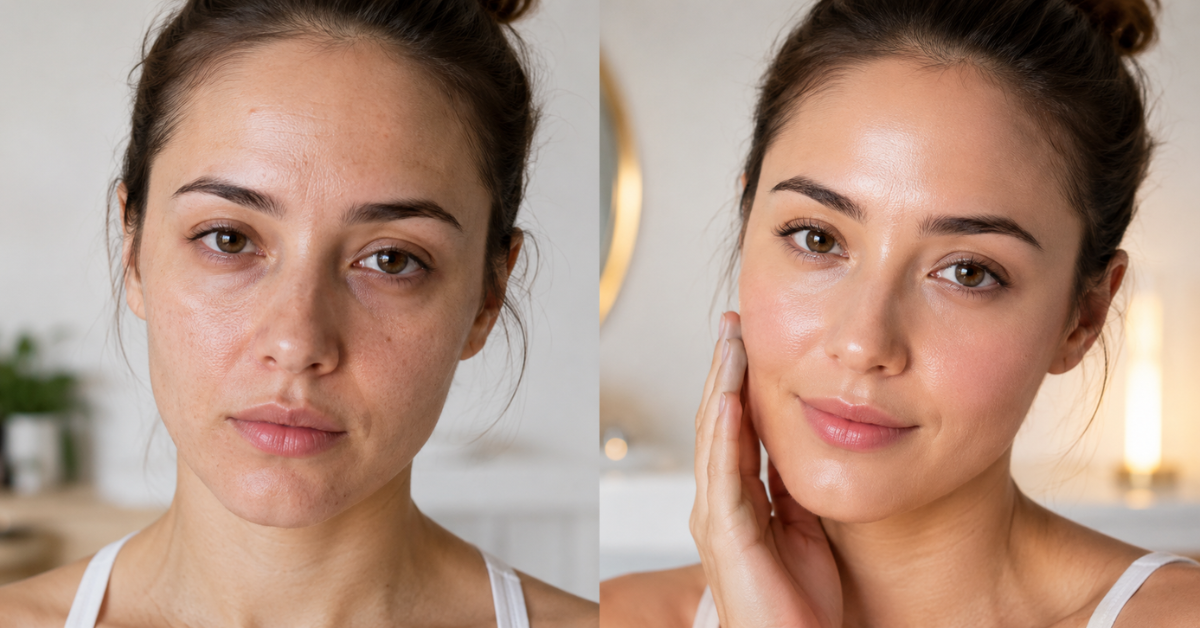
What Types of Acne Scars Are Most Common in Adults?
Acne doesn’t always end when breakouts stop. For many adults, the real challenge begins afterward—when acne leaves behind permanent marks on the skin. Acne scars can affect confidence, skin texture, and overall appearance, especially when they persist into adulthood.
Understanding the types of acne scars in adults is the first step toward managing them effectively. Different scars form in different ways, and each type responds best to specific treatments. What works for one scar may not work for another, which is why proper identification matters.
In this guide, we’ll break down the most common adult acne scars, explain why they form, and help you recognize what type you may have—using simple language and real-world examples.
Why Acne Scars Are Common in Adults
Adult skin behaves differently from teenage skin. As we age, collagen production slows down, skin renewal becomes less efficient, and healing takes longer. When acne inflammation damages deeper layers of the skin, the body may struggle to repair itself properly, leading to scars.
Adult acne scars often result from:
- Delayed acne treatment
- Picking or squeezing pimples
- Severe or cystic acne
- Genetic tendency toward scarring
- Reduced collagen production with age
Because adult skin heals differently, scars can appear more pronounced and long-lasting.
Types of Acne Scars in Adults: An Overview
Dermatologists generally divide acne scars into two main categories:
- Atrophic (depressed) scars
- Raised scars
Most adults experience atrophic scars, which form due to collagen loss during healing. Raised scars are less common but still significant, especially on the jawline and body.
Let’s explore each type in detail.
Ice Pick Scars (Deep and Narrow)
Ice pick scars are among the most noticeable types of acne scars in adults. They appear as small, deep holes in the skin—similar to puncture marks made by a sharp object.
These scars form when acne damages deep layers of skin tissue. Because the surface opening is small but the depth is significant, ice pick scars are difficult to treat and tend to look more severe under certain lighting.
Adults often notice ice pick scars on:
- Cheeks
- Temples
- Forehead
They are commonly linked to cystic or inflamed acne that wasn’t treated early.
Boxcar Scars (Wide With Sharp Edges)
Boxcar scars are broader than ice pick scars and have more defined edges. They create shallow to medium-depth depressions with a box-like appearance.
Among the types of acne scars in adults, boxcar scars are quite common, especially in people who had moderate to severe acne in the past.
These scars often appear on:
- Lower cheeks
- Jawline
Because boxcar scars are wider and flatter, they are easier to treat than ice pick scars, but they still affect skin texture noticeably.
Rolling Scars (Uneven and Wave-Like)
Rolling scars give the skin a wavy or uneven appearance rather than deep pits. They form when fibrous bands pull the skin downward, creating a rolling texture.
This is one of the most frequent adult acne scars, particularly in people who experienced long-term inflammatory acne.
Rolling scars are most visible when:
- Light hits the face from the side
- Makeup settles unevenly
- Skin loses firmness with age
As collagen decreases over time, rolling scars can become more noticeable in adults.
Do Adult Acne Scars Fade on Their Own?
Hypertrophic Scars (Raised and Thick)
Unlike depressed scars, hypertrophic scars rise above the skin’s surface. They develop when the body produces too much collagen during healing.
These scars are more common on:
- Jawline
- Chest
- Back
While less common on the face, hypertrophic scars are still an important part of understanding types of acne scars in adults, especially for those prone to thick scar tissue.
Keloid Scars (Extending Beyond the Acne Site)
Keloid scars are similar to hypertrophic scars but extend beyond the original acne area. They are firmer, larger, and can continue growing over time.
Adults with darker skin tones or a family history of keloids are more likely to develop them. Although less common on the face, they may appear on the neck, shoulders, or torso.
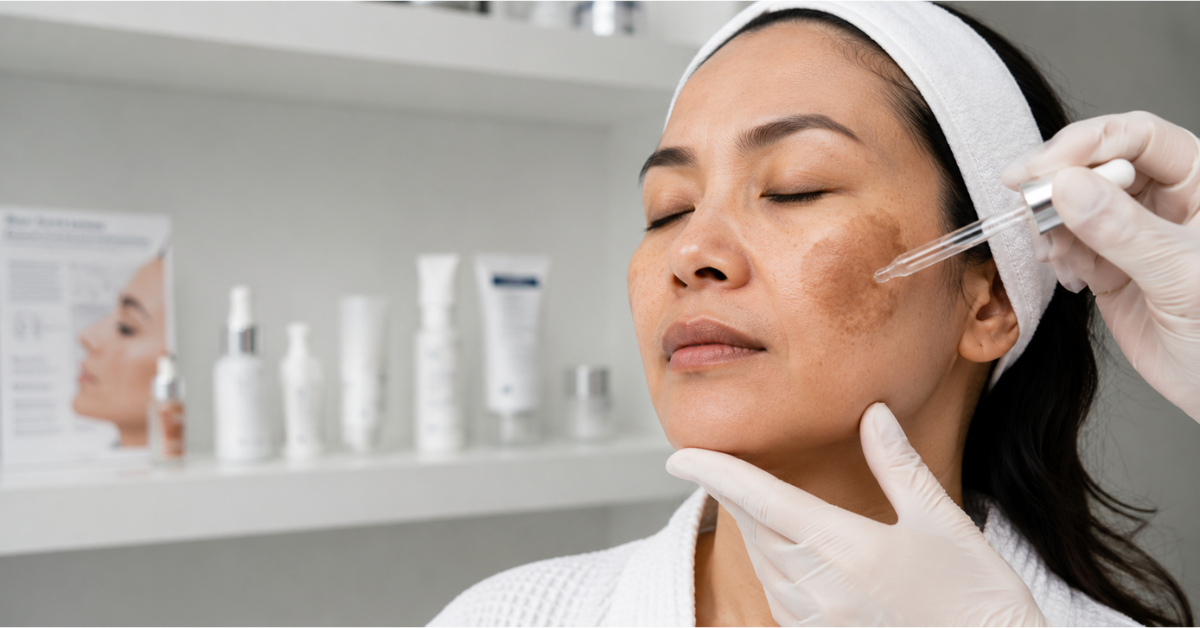
Post-Inflammatory Hyperpigmentation (Not a True Scar)
Many adults mistake dark spots for acne scars. However, post-inflammatory hyperpigmentation (PIH) is not a scar—it’s a color change caused by inflammation.
PIH appears as:
- Brown, red, or purple marks
- Flat discoloration
- Temporary skin changes
Although not permanent, PIH can last for months without treatment, especially in adult skin.
How to Identify Your Acne Scar Type
Identifying the correct scar type helps guide realistic expectations and treatment choices.
A simple way to assess:
- Deep, narrow holes → Ice pick scars
- Wide, defined depressions → Boxcar scars
- Wavy, uneven texture → Rolling scars
- Raised, firm tissue → Hypertrophic or keloid scars
Lighting, mirror angle, and skin stretching can make scars more visible during self-examination.
Adult Acne Scars | Common Causes and How to Avoid Them
Why Adult Acne Scars Can Look Worse Over Time
As skin ages, natural collagen and elasticity decline. This makes existing acne scars more noticeable, even if they were subtle in earlier years.
Adult acne scars may become more visible due to:
- Skin thinning
- Loss of firmness
- Slower cell turnover
- Dehydration
This is why early management and consistent skincare matter.
Can Acne Scars Be Prevented in Adults?
While not all scars can be prevented, risk can be reduced by:
- Treating acne early
- Avoiding picking or squeezing pimples
- Using sunscreen daily
- Managing inflammation quickly
Healthy skin healing plays a major role in minimizing scar formation.
Frequently Asked Questions (FAQ)
Q: What is the most common type of acne scar in adults?
A: Rolling and boxcar scars are the most common types of acne scars in adults.
Q: Are adult acne scars permanent?
A: Some scars are permanent, but many can be improved with proper treatment and skincare.
Q: Can acne scars get worse with age?
A: Yes. As collagen decreases, acne scars can become more noticeable over time.
Q: Are dark acne marks the same as scars?
A: No. Dark marks are usually post-inflammatory hyperpigmentation, not true scars.
Q: Should adults see a dermatologist for acne scars?
A: Yes. A professional assessment helps identify scar type and suitable treatment options.
Conclusion
Understanding the types of acne scars in adults is essential for managing them effectively. From ice pick and boxcar scars to rolling and raised scars, each type forms differently and affects the skin in unique ways. Adult skin heals more slowly, making early care and proper identification especially important. While acne scars can be frustrating, knowing what you’re dealing with empowers you to make informed skincare and treatment decisions. With the right approach, many adult acne scars can be improved, softened, or made far less noticeable over time.