Does Laser Treatment Work for Deep Acne Scars in Adults?
If you’re an adult dealing with deep acne scars, you’ve probably heard laser “resurfacing” can smooth skin and soften pitted marks. The honest answer is: yes, laser treatment can work for deep acne scars in adults, but results depend on your scar type, your skin tone, and the specific laser (plus how many sessions you do). Most people see improvement rather than perfection—and that’s a good goal to aim for.
In this article, we’ll walk through what lasers can and can’t do, which options are best for deeper scars, what results look like in real life, and how to reduce risks like pigmentation changes.
How Laser Treatment Helps Acne Scars
Acne scars (especially “atrophic” scars that look like dents) form when inflammation damages collagen. Laser treatments target this by creating controlled micro-injuries that trigger new collagen production and skin remodeling. Over time, this can make scars look shallower and skin texture look smoother.
Modern acne scar resurfacing usually uses fractional technology—meaning the laser treats tiny “columns” of skin while leaving surrounding skin intact, which helps healing and lowers complication risk compared with older fully ablative resurfacing.
What Counts as “Deep” Acne Scars?
Deep scars often include:
Boxcar scars (wider depressions with sharper edges)
Rolling scars (wavy texture from tethered bands under the skin)
Ice pick scars (narrow, deep “punched” holes)
Lasers tend to work best on rolling and boxcar scars. Ice pick scars often need combination treatment (like TCA CROSS or punch techniques) because the scar is too narrow and deep for lasers alone to fully correct.
Laser Treatment for Deep Acne Scars — Which Lasers Work Best?
Ablative fractional lasers (often strongest for deep scars)
Ablative fractional lasers remove tiny fractions of skin and generally deliver stronger resurfacing and collagen remodeling. Fractional CO2 laser is one of the most studied and commonly used options for atrophic acne scars. Systematic review evidence commonly reports meaningful improvements (often described in the range of ~30%–70% improvement across studies), with downtime and temporary redness/swelling being typical.
Best for: deeper boxcar/rolling scars, thicker oily skin, patients who can tolerate downtime.
Downside: more redness, peeling, and higher risk of pigment changes—especially in darker skin types.
Non-ablative fractional lasers (less downtime, more sessions)
A non-ablative fractional laser (like 1550 nm erbium-glass) heats the dermis to stimulate collagen without removing the surface layer. It’s usually gentler and has less downtime, but may require more sessions to see a comparable change—especially for deeper scars. Clinical literature supports visible improvement in atrophic scars with these devices.
Best for: mild to moderate scars, people wanting lower downtime, many skin tones with the right settings.
Downside: deep scars may improve more gradually.
Picosecond fractional lasers (promising, often lower PIH risk)
Fractional picosecond laser approaches have been studied for atrophic acne scars and are often discussed as providing improvement with potentially lower pain/pigment risk in some patients.
Best for: texture + scars when you want a lighter recovery, especially if pigmentation risk is a concern.
Downside: may not be the strongest option for very deep tethered scars unless combined with other treatments.
How Long Does It Take To Treat Adult Acne Scars?
Laser Treatment for Deep Acne Scars — What Results Can You Expect?
Most adults need multiple sessions. A common real-world plan is 3–5 treatments spaced several weeks apart, followed by gradual improvement over months as collagen remodels.
Here’s what “success” usually looks like:
- Scars appear softer and shallower
- Skin texture looks more even in certain lighting
- Makeup and skincare sit more smoothly
- You still see scars up close, but they’re less obvious
The important thing is setting expectations. Even strong lasers usually won’t erase scars completely, especially if you have mixed scar types. Reviews and comparative studies consistently emphasize improvement rather than total removal.
Who Is a Good Candidate?
Laser treatment is often a good option if:
- Your acne is mostly controlled (fewer active breakouts)
- Your scars are mainly atrophic (rolling/boxcar)
- You can follow aftercare strictly (sun protection is non-negotiable)
You may need extra caution if:
- You have a history of post-inflammatory hyperpigmentation (PIH)
- You have a darker skin tone (Fitzpatrick III–VI), where pigment risk can be higher without careful settings and prep
- You’re prone to keloids or poor wound healing
Pigment changes (PIH) are a known risk after procedures like fractional CO2, especially in skin of color—though techniques and pretreatments can reduce risk.
Adult Acne Scars: Common Causes and How to Avoid Them
Downtime, Side Effects, and Safety
Typical short-term effects:
- Redness and swelling for days to a couple weeks (varies by laser strength)
- Peeling, dryness, and a “sunburn” feel
- Temporary darkening before lightening (common in PIH-prone skin)
Possible risks:
- Post-inflammatory hyperpigmentation or (less commonly) hypopigmentation
- Prolonged redness
- Infection (rare, but possible)
- Scarring (rare, more likely if aftercare is ignored or settings are too aggressive)
Professional organizations describe laser resurfacing as a dermatologic procedure used to improve skin texture and irregularities, with different lasers offering different depths and recovery profiles.
What About Lasers If You Used Isotretinoin (Accutane)?
You may still hear “wait 6–12 months” after isotretinoin before doing laser resurfacing. Some guidelines and older recommendations mention this waiting period.
However, newer evidence has questioned whether long delays are always necessary, especially for certain fractional lasers and carefully selected patients.
Because recommendations can differ by procedure type, laser strength, and your individual risk factors, the safest approach is to discuss timing directly with a board-certified dermatologist who can tailor the plan to you.
Getting Better Results: Why Combination Treatment Matters
Deep acne scars often respond best when lasers are part of a plan, not the entire plan. Many dermatologists combine:
- Subcision for rolling scars (releases tethered bands)
- TCA CROSS or punch techniques for ice pick scars
- Fillers for select depressions
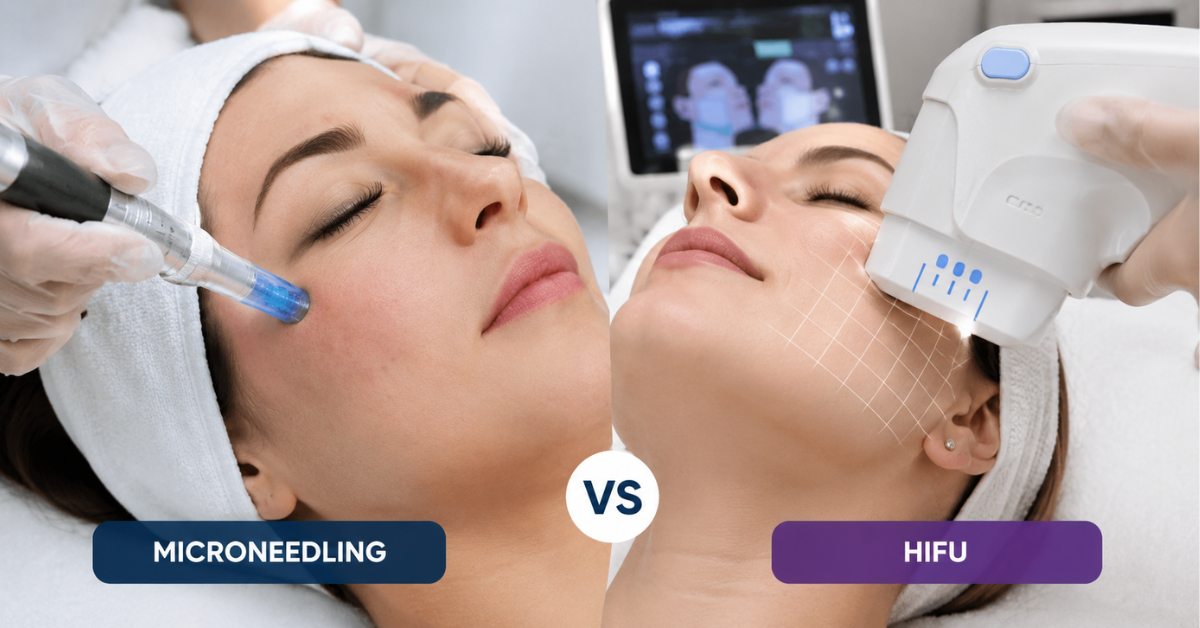
- Microneedling/RF as a gentler texture-builder between laser sessions
This combination approach is common because different scar types behave differently—and one tool rarely fits all.
Conclusion
So, does laser treatment work for deep acne scars in adults? Yes—often very well for improving texture and softening deeper atrophic scars, especially with fractional lasers and the right treatment plan.
The key is matching the laser (and settings) to your scar type and skin tone, committing to multiple sessions, and protecting your skin during healing to avoid pigment issues. If you want the best outcome, think “custom plan” rather than “one magic session.”
FAQs
Q: How many laser sessions do adults need for deep acne scars?
A: Most people need 3–5 sessions, sometimes more for deeper scars. Improvement continues for months after each treatment as collagen remodels.
Q: Is fractional CO2 laser the best option for deep acne scars?
A: It’s one of the strongest options for atrophic scars and is widely studied, but it also has more downtime and pigment risk than gentler lasers.
Q: Can laser remove ice pick scars completely?
A: Lasers can improve them, but ice pick scars often need TCA CROSS or punch techniques for best results, with laser used to blend texture.
Q: Is laser safe for darker skin tones?
A: It can be, but PIH risk is higher in many darker skin types, so choosing an experienced dermatologist and appropriate laser/settings is crucial.
Q: What should I do after laser acne scar treatment?
A: Expect strict aftercare: gentle cleansing, moisturization, avoiding picking, and daily sunscreen. Sun exposure during healing can raise the risk of pigmentation changes.