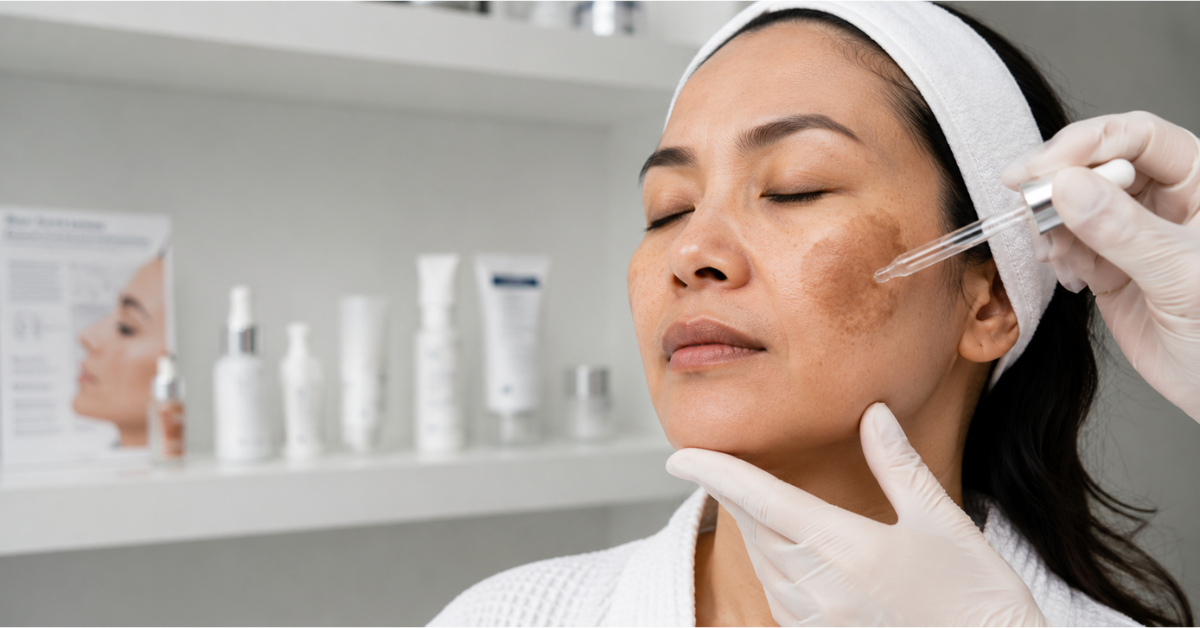
What Is the Fastest Way to Remove Pigmentation?
Pigmentation is one of the most common skin concerns, affecting people of all ages and skin types. Whether it's dark spots from acne, melasma, age spots, or sun damage, uneven skin tone can impact confidence and overall appearance. So, what is the fastest way to remove pigmentation safely and effectively?
The truth is—there’s no one-size-fits-all solution. The fastest method depends on the type of pigmentation, your skin sensitivity, and whether you prefer clinical treatments or advanced skincare. However, several proven options can dramatically brighten skin and fade dark patches in a short period when used correctly.
In this guide, we’ll explore the most effective skin pigmentation treatments, how they work, and which method may be right for you.
Pigmentation
Pigmentation occurs when your skin produces excessive melanin, the pigment responsible for skin color. Common triggers include:
- Sun exposure
- Hormonal changes
- Acne and inflammation
- Aging
- Genetics
Before choosing a treatment, it helps to know whether you’re dealing with post-acne marks, melasma, sunspots, or deeper hyperpigmentation.
1. Laser Treatments
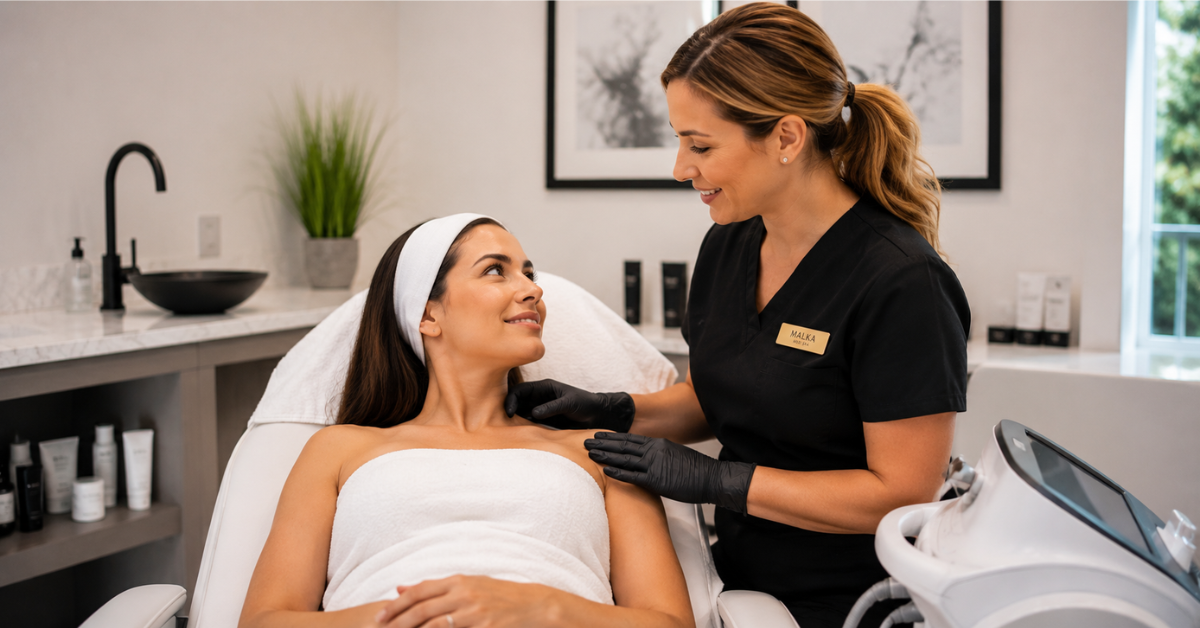
When discussing the fastest way to remove pigmentation, lasers come out on top. Dermatologists often recommend them for stubborn or long-standing dark spots.
How Laser Treatment Works
Laser devices target melanin clusters, breaking them down so the body can naturally eliminate them. Some of the most popular options include:
- Q-switched laser
- Picosecond laser
- Fractional laser
These treatments deliver powerful results in fewer sessions compared to other methods.
Ideal For
- Deep hyperpigmentation
- Sunspots
- Persistent melasma (with caution)
Pros
- Fast, visible results
- Suitable for face and body
- Minimal downtime depending on the laser type
Cons
- Requires professional supervision
- Can be expensive
2. Chemical Peels
Professional chemical peels are another highly effective option. They exfoliate the upper layer of skin, revealing a brighter layer underneath while reducing dark spots.
Types of Chemical Peels
- Glycolic acid
- Salicylic acid
- Lactic acid
- TCA peels
Superficial peels offer mild exfoliation, while deeper peels target tough pigmentation.
Why They Work
Chemical peels encourage cell turnover, which helps fade discoloration faster than regular skincare products.
Best For
- Acne scars
- Mild sun damage
- Uneven skin tone
3. Topical Treatments
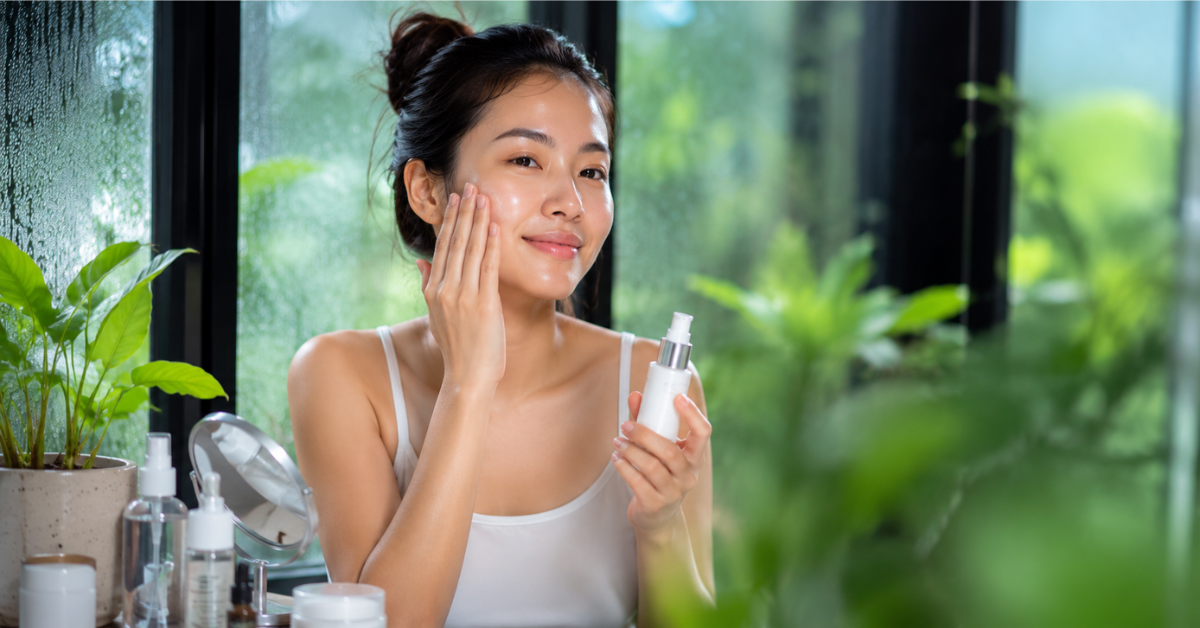
If you're looking for a non-invasive approach, topical treatments can also be part of the fastest way to remove pigmentation when used consistently.
Popular Ingredients for Dark Spots Removal
- Vitamin C: Brightens skin and reduces melanin formation.
- Retinoids: Boost cell turnover and smooth texture.
- Hydroquinone: A powerful melanin inhibitor (often dermatologist-prescribed).
- Niacinamide: Helps lighten dark spots and reduces inflammation.
- Azelaic Acid: Treats pigmentation and acne simultaneously.
Pros
- Affordable
- Safe for most skin types
- Suitable for long-term maintenance
Cons
- Results may take weeks
- Requires consistent use
4. Microdermabrasion
Microdermabrasion gently sands away the outer layer of skin to minimize mild pigmentation and give your skin a smoother appearance. While not as intense as lasers or deep peels, it still offers noticeable improvement for early pigmentation.
Best For
- Age spots
- Light discoloration
- Dull skin
Many dermatologists use it as a complementary treatment with peels or serums.
5. Home Remedies
While home remedies aren’t the fastest hyperpigmentation solutions, they can help brighten the skin gradually and are suitable for those with very sensitive skin.
Common Skin Brightening Remedies
- Aloe vera
- Turmeric masks
- Licorice extract
- Green tea
- Yogurt (lactic acid)
These options may not remove deep pigmentation but can support overall glow and even tone.
6. Preventing Pigmentation
No treatment will work effectively without proper prevention—especially sunscreen.
Daily SPF Is Essential
UV rays intensify pigmentation, even indoors or on cloudy days. Applying broad-spectrum SPF 30 or higher prevents further darkening and protects healing skin.
Lifestyle Habits That Help
- Avoid picking pimples
- Stay hydrated
- Use antioxidant-rich skincare
- Wear hats outdoors
Taking these steps ensures long-lasting results and reduces future pigmentation.
Which Method Is Truly the Fastest?
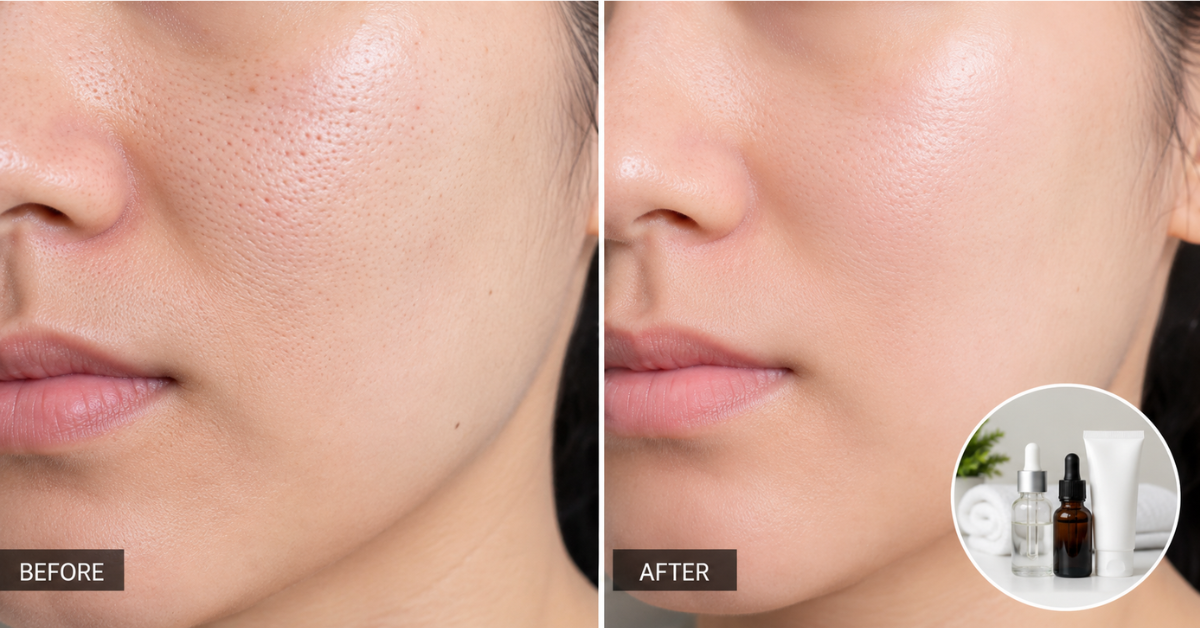
If you’re seeking the fastest way to remove pigmentation, professional treatments—particularly laser therapy—deliver the quickest noticeable improvement. Chemical peels come next, followed by prescription topicals. The best approach is often a combination recommended by a dermatologist.
However, it’s important to choose a method suited to your skin type. For example:
- Sensitive skin may do better with peels or topicals
- Deep melasma often requires gradual treatments
- Acne-prone skin may benefit from retinoids and azelaic acid
A personalized plan always leads to the best and safest results.
Conclusion
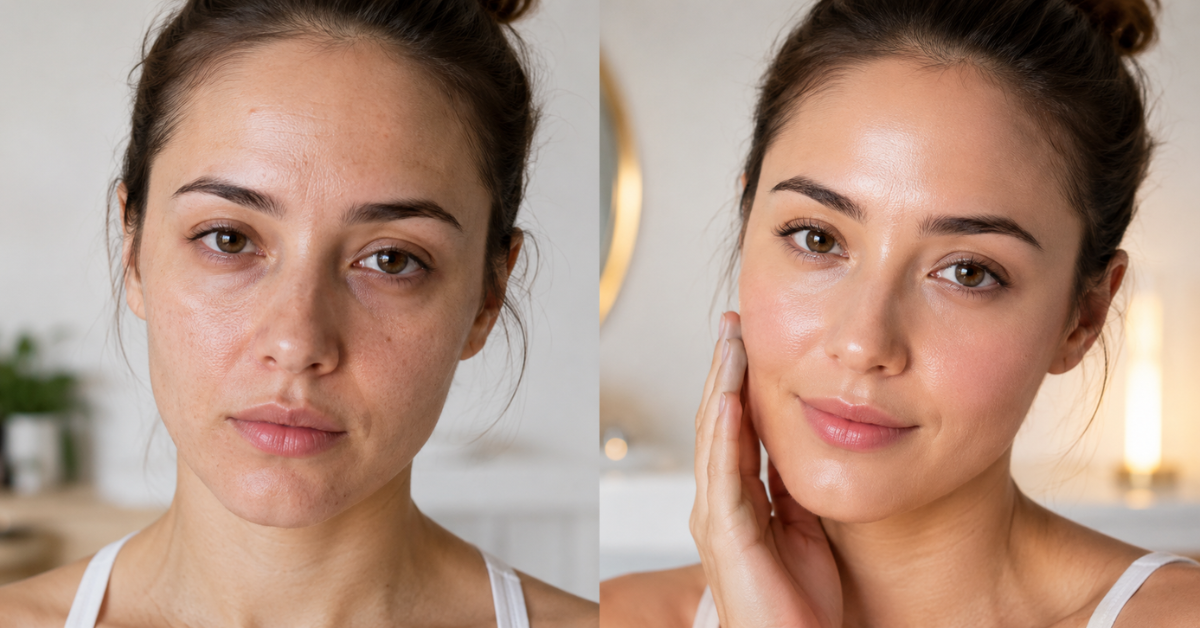
Pigmentation can be frustrating, but it’s absolutely treatable. The fastest way to remove pigmentation often involves professional treatments like lasers or chemical peels, especially when combined with targeted topical products and consistent sun protection. With patience, smart skincare choices, and guidance from a dermatologist, you can achieve brighter, smoother, and more even-toned skin.
Whether you're dealing with acne marks, melasma, or sun damage, there is an effective solution waiting for you—one that fits your goals, budget, and skin sensitivity.
FAQs
Q1. What removes pigmentation the fastest?
A: Laser treatments provide the quickest results, followed by chemical peels and high-strength topical treatments.
Q2. How long does it take for pigmentation to fade?
A: Depending on the treatment, results can appear in 1–4 weeks. Deep pigmentation may take longer.
Q3. Can pigmentation go away permanently?
A: With proper treatment and consistent sunscreen use, many types of pigmentation can fade significantly or disappear.
Q4. Are home remedies effective?
A: They help brighten skin but work slower and may not remove deep hyperpigmentation.
Q5. Does sunscreen prevent pigmentation?
A: Yes. Sunscreen is essential for stopping pigmentation from worsening and for allowing treatments to work effectively.