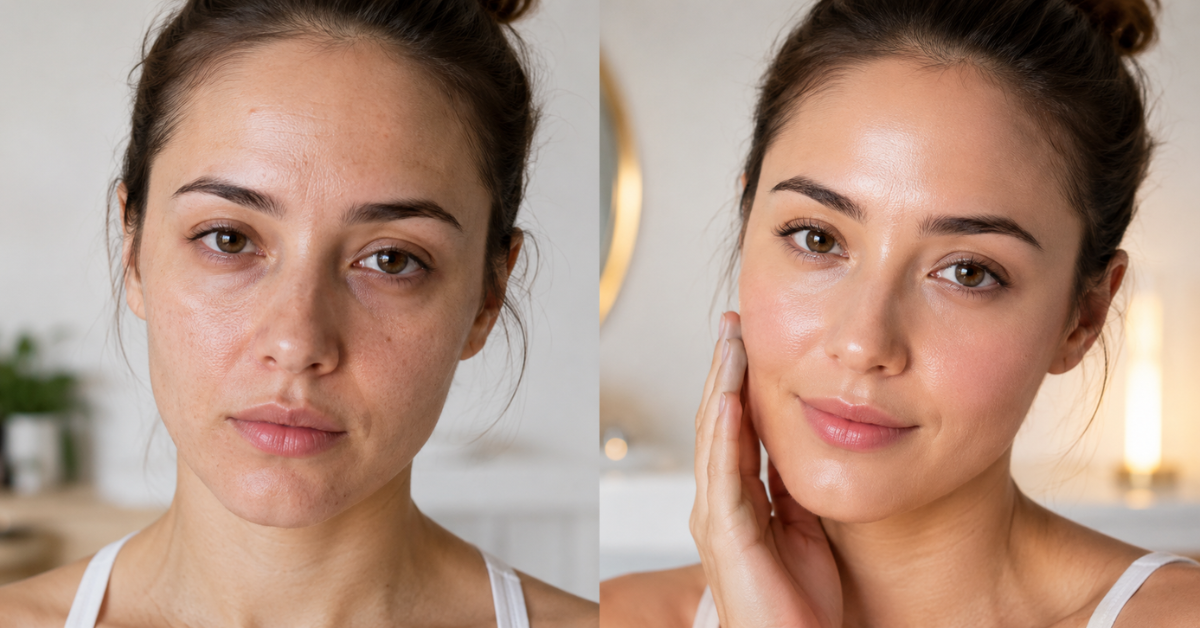
Are Dark Spots from Adult Acne Considered Scars?
If you’ve ever dealt with adult acne, you’re probably familiar with the frustrating marks that linger long after a breakout heals. These flat brown, red, or purple spots can hang around for months, making it feel like your acne never truly goes away. This leads many people to ask an important question: are dark spots from adult acne considered scars?
The short answer is no—most of the time, they aren’t true scars. However, the full explanation matters, especially if you want to treat them effectively and prevent them from coming back. In this article, we’ll break everything down in simple terms so you can clearly understand what these spots are, why they happen, and what you can realistically do about them.
Understanding What Dark Spots from Adult Acne Really Are
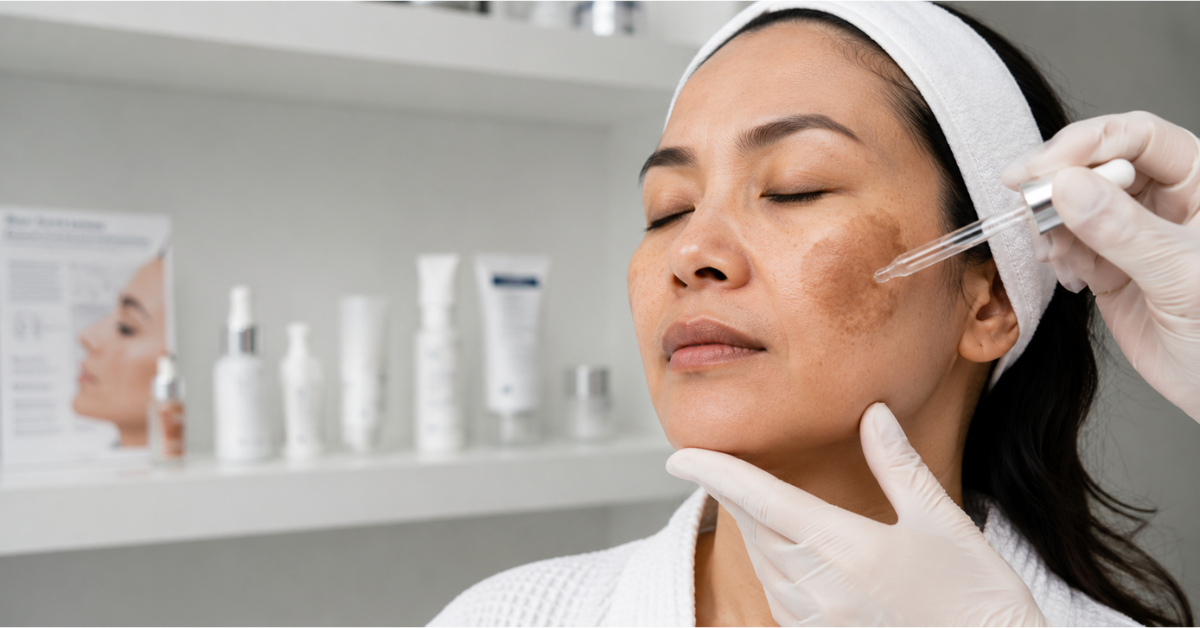
Dark spots left behind after acne are usually a type of discoloration, not permanent skin damage. Dermatologists often refer to them as post-inflammatory hyperpigmentation, a long name that simply means “extra pigment left behind after skin inflammation.”
When an acne lesion heals, the skin sometimes produces excess melanin as part of the healing process. That extra pigment shows up as a flat dark spot on the skin’s surface. These marks are especially common in adults because mature skin heals more slowly than teenage skin.
This is why dark spots from adult acne can last longer and feel more stubborn than acne itself.
Acne Marks vs True Acne Scars
To understand whether these spots are scars, it helps to know what actually qualifies as a scar.
What Counts as a True Acne Scar?
True acne scars form when acne damages the deeper layers of the skin. This damage affects collagen and skin structure, leading to changes in texture. These scars may appear as indentations, pits, or raised areas on the skin and usually don’t fade on their own.
What Acne Marks Really Are
In contrast, dark spots from adult acne sit on the surface of the skin. They don’t involve structural damage. That means your skin is still smooth to the touch, even though the color looks uneven.
So while people often use the word “scar” casually, most dark acne spots are technically marks, not scars.
Why Adult Acne Leaves Dark Spots More Easily
Adult acne behaves differently than teenage acne, and so does adult skin.
First, adult skin tends to have slower cell turnover. This means old, pigmented skin cells take longer to shed, allowing dark spots to linger. Second, adult acne is often deeper and more inflamed, especially hormonal breakouts around the jawline and chin. The more inflammation there is, the more likely pigmentation will follow.
Finally, habits like picking or squeezing acne—something many adults do due to stress—can make dark spots from adult acne much worse and longer-lasting.
Are Dark Spots from Adult Acne Permanent?
The good news is that these spots are usually temporary. With time and proper care, most will fade. However, “temporary” doesn’t always mean quick.
Some spots fade within weeks, while others can take several months or even a year to disappear. Sun exposure, skin tone, and skincare habits all influence how fast fading occurs.
Without treatment or sun protection, dark spots can become more stubborn and appear permanent, even though they technically aren’t scars.
How Skin Tone Affects Dark Acne Spots
Skin tone plays a big role in how noticeable and long-lasting these spots are.
Darker skin tones naturally produce more melanin. While this provides better natural sun protection, it also means the skin is more prone to hyperpigmentation after inflammation. As a result, people with medium to deep skin tones often experience darker and longer-lasting acne marks.
This doesn’t mean treatment won’t work—it just means patience and consistency are especially important.
Treating Dark Spots from Adult Acne Effectively
Because these spots aren’t true scars, treatment focuses on correcting pigment, not rebuilding skin structure.
Daily Sun Protection Is Non-Negotiable
Sun exposure is one of the biggest reasons dark spots stick around. UV rays stimulate melanin production, which deepens existing marks. Using sunscreen daily—even indoors—can dramatically speed up fading.
Gentle Exfoliation Helps Skin Renew Itself
Chemical exfoliants encourage cell turnover, helping pigmented cells shed faster. Over-exfoliating, however, can worsen inflammation and lead to more discoloration, so balance matters.
Targeted Skincare Ingredients
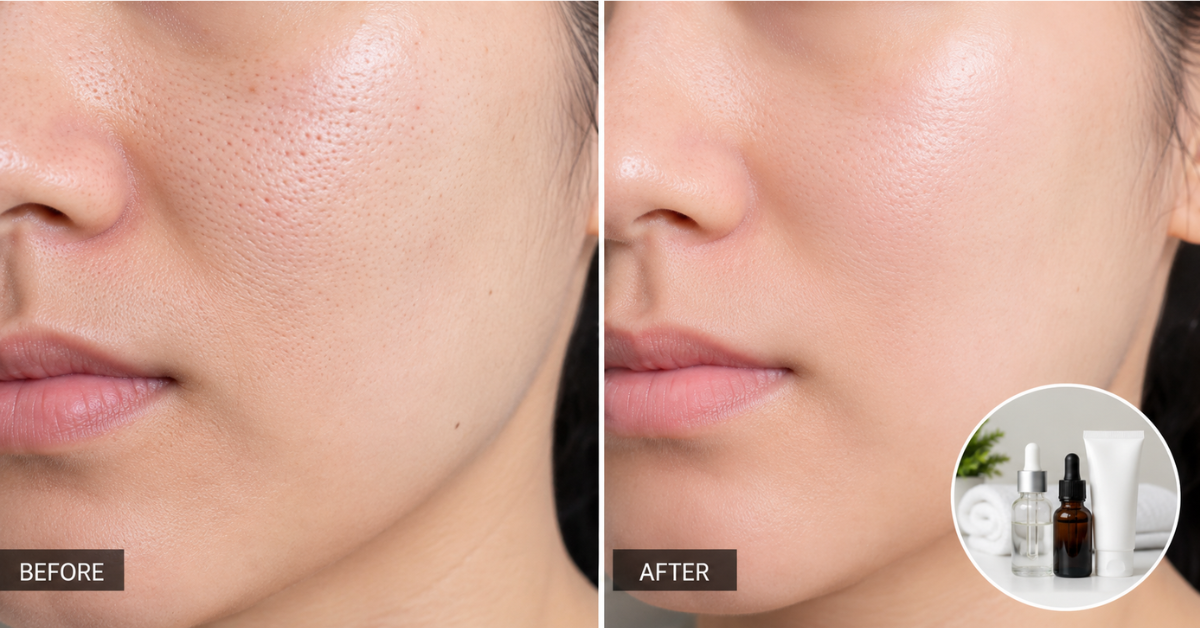
Brightening ingredients help regulate melanin production and gradually even out skin tone. Consistency is far more important than using many products at once.
Professional Treatments When Needed
If dark spots persist despite good skincare habits, professional treatments such as chemical peels or laser therapy may help. These options are especially useful when dark spots from adult acne have been present for a long time.
Why Treating Acne Comes First
One common mistake is focusing only on dark spots while ignoring ongoing breakouts. This creates a cycle where new acne leads to new marks, making progress feel impossible.
Controlling adult acne first reduces inflammation, prevents new pigmentation, and allows existing spots to fade more effectively. A combined approach always delivers better long-term results.
Can Dark Spots Turn Into Scars?
Dark spots themselves do not turn into scars. However, severe or untreated acne can cause both pigmentation and scarring at the same time.
Additionally, repeated picking or aggressive treatments can damage the skin barrier, increasing the risk of real scars. Gentle care and early acne management help prevent this.
How Long Does It Take for Dark Spots to Fade?
There’s no one-size-fits-all answer. On average:
- Mild spots may fade in 1–3 months
- Moderate spots may take 3–6 months
- Stubborn spots can take 6–12 months
Factors like age, skin tone, sun exposure, and skincare routine all play a role. The key is consistency, not quick fixes.
Emotional Impact of Adult Acne Marks
Adult acne doesn’t just affect skin—it affects confidence. Dark spots can feel more distressing than active acne because they’re a constant reminder of past breakouts. Understanding that these marks are not permanent scars can be reassuring. With the right approach, most people see visible improvement over time.
Conclusion
So, are dark spots from adult acne considered scars? In most cases, no. They are usually post-inflammatory hyperpigmentation—flat discoloration caused by excess pigment, not permanent skin damage.
The encouraging part is that these spots can fade with patience, sun protection, and consistent skincare. By treating active acne, avoiding picking, and protecting your skin from UV exposure, you can significantly reduce their appearance.
Understanding the difference between acne marks and true scars empowers you to choose the right treatments and set realistic expectations for your skin’s healing journey.
Frequently Asked Questions (FAQ)
Q: Do dark acne spots mean permanent damage?
A:
No. Most dark spots are temporary pigment changes, not permanent scars.
Q: Can dark spots fade without treatment?
A:
Yes, many fade on their own, but treatment and sun protection speed up the process.
Q: Why do adult acne spots last longer than teenage acne marks?
A:
Adult skin heals more slowly, and hormonal acne tends to cause deeper inflammation.
Q: Does sunscreen really help acne marks fade?
A:
Absolutely. Sunscreen prevents spots from getting darker and helps them fade faster.
Q: When should I see a professional?
A:
If dark spots last longer than a year or significantly affect your confidence, professional guidance can help.