What’s the Difference Between Acne Marks and Acne Scars in Adults?
If you’re an adult dealing with leftover acne spots, you’re not alone. Many people assume that any mark left behind by acne is a scar—but that’s not always true. In fact, one of the most common skincare misunderstandings is the difference between acne marks and acne scars in adults. Knowing whether you have acne marks or acne scars matters more than you might think. Each one forms differently, fades at a different pace, and responds to different treatments. Using the wrong approach can waste time, money, and even make the problem worse. In this guide, we’ll clearly explain what acne marks are, what acne scars are, how they differ in adult skin, and how to tell which one you’re dealing with.
Why Acne Marks and Acne Scars Are Often Confused
Adult skin heals differently than teenage skin. Collagen production slows down with age, and inflammation tends to linger longer. As a result, leftover acne spots may stick around for months, making it difficult to tell whether they’re temporary or permanent.
The confusion around acne marks and acne scars in adults usually happens because both appear after acne heals—but they are not the same thing.
What Are Acne Marks in Adults?
Acne marks are discolorations, not texture changes. They appear when inflammation from acne triggers excess pigment production or blood vessel changes in the skin.
Common Types of Acne Marks
The most common acne marks in adults include:
- Post-inflammatory hyperpigmentation (PIH): Brown or dark spots
- Post-inflammatory erythema (PIE): Red or pink marks
These marks sit flat on the skin. If you close your eyes and run your finger over them, the skin usually feels smooth.
Acne marks are extremely common in adults, especially after inflamed pimples or cystic acne.
What Causes Acne Marks in Adult Skin?
Several factors contribute to acne marks forming in adults:
- Inflammation from acne
- Delayed healing with age
- Picking or squeezing pimples
- Sun exposure without protection
Because adult skin regenerates more slowly, acne marks often last longer than they did in teenage years.
What Are Acne Scars in Adults?
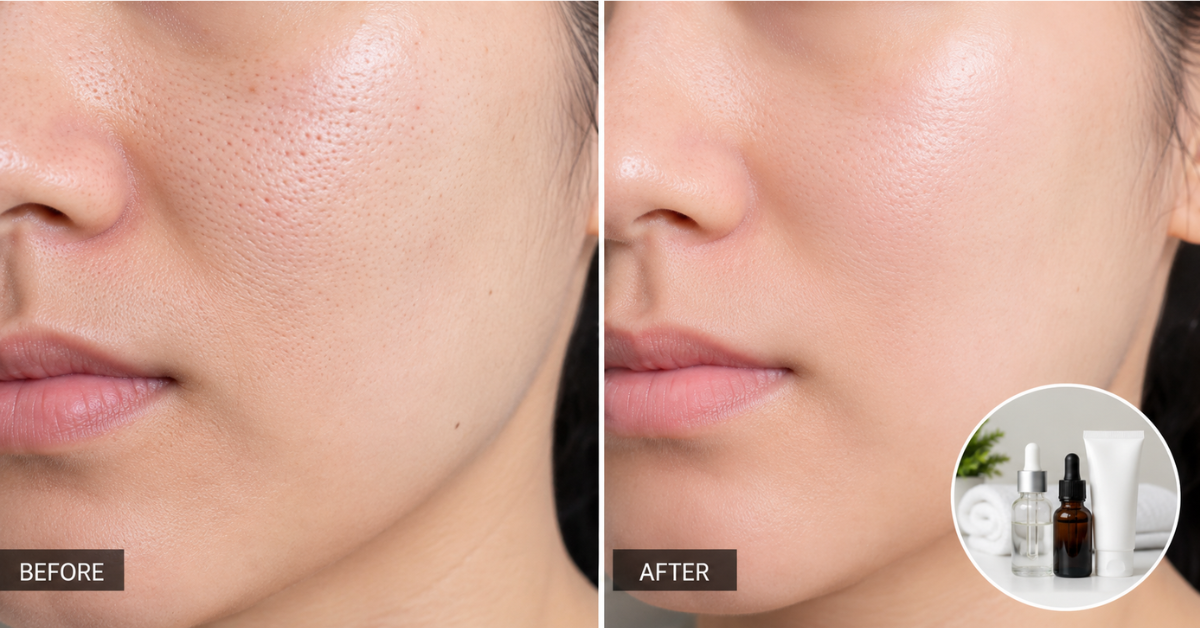
Acne scars are permanent changes in skin texture caused by damage to deeper layers of the skin. They occur when acne destroys collagen during healing. Unlike marks, acne scars don’t fade on their own. When discussing acne marks and acne scars in adults, scars are the more serious and long-lasting concern.
Types of Acne Scars Common in Adults
Atrophic (Depressed) Scars
These are the most common acne scars in adults and include:
- Ice pick scars: Deep, narrow pits
- Boxcar scars: Wide, sharp-edged depressions
- Rolling scars: Wavy, uneven skin texture
Raised Scars
Less common on the face but still possible:
- Hypertrophic scars
- Keloid scars
These form when the body produces too much collagen during healing.
Key Differences Between Acne Marks and Acne Scars in Adults
Understanding the difference becomes easier when you compare a few core features.
Texture vs Color
- Acne marks affect
color only
- Acne scars affect
skin texture
Healing Time
- Acne marks fade over weeks or months
- Acne scars do not fade without treatment
Response to Skincare
- Acne marks respond well to skincare
- Acne scars require professional procedures
This distinction is critical when managing acne marks and acne scars in adults effectively.
How Long Does it Take to Treat Adult Acne Scars?
How to Tell Whether You Have Acne Marks or Acne Scars
Here’s a simple at-home test:
- Stretch the skin gently
- If the spot disappears → likely an acne mark
- If the indentation remains → likely an acne scar
Lighting can also help. Acne scars cast shadows; acne marks do not.
Why Acne Marks Often Last Longer in Adults
Adult skin produces collagen more slowly, and cell turnover decreases with age. This makes inflammation linger longer and pigment fade more slowly. Sun exposure also worsens acne marks, especially without daily sunscreen use. This is why acne marks and acne scars in adults often appear more stubborn than in younger skin.
Treatment Differences: Acne Marks vs Acne Scars
Treating Acne Marks
Acne marks usually respond well to:
- Sunscreen
- Gentle exfoliation
- Brightening ingredients
- Consistent skincare routines
With time and proper care, most acne marks fade significantly.
Treating Acne Scars
Acne scars typically require:
- In-office dermatologic procedures
- Collagen-stimulating treatments
- Targeted professional care
Topical products alone rarely fix acne scars.
Can Acne Marks Turn Into Acne Scars?
Acne marks themselves do not turn into scars. However, repeated inflammation, picking, or untreated acne can damage collagen and lead to scarring. Early acne management helps prevent both issues.
Preventing Acne Marks and Acne Scars in Adults
Prevention is easier than correction.
Key habits include:
- Treat acne early
- Avoid picking or squeezing
- Use sunscreen daily
- Manage inflammation promptly
These habits reduce the risk of both acne marks and acne scars.
Emotional Impact of Acne Marks and Acne Scars
Many adults feel frustrated when acne persists beyond teenage years—especially when marks or scars affect confidence. Understanding the difference between acne marks and acne scars in adults helps set realistic expectations and reduces unnecessary stress.
Frequently Asked Questions (FAQ)
Q: Are acne marks permanent in adults?
A: No. Acne marks are temporary, though they may take months to fade.
Q: Are acne scars permanent?
A: Yes. Acne scars are permanent without professional treatment.
Q: Can skincare products remove acne scars?
A: Skincare can improve appearance but usually cannot eliminate scars.
Q: Do acne marks fade faster with age?
A: No. Adult skin often heals more slowly, so marks may last longer.
Q: How can I prevent acne scars?
A: Avoid picking acne, treat breakouts early, and reduce inflammation.
Conclusion
Understanding the difference between acne marks and acne scars in adults is essential for choosing the right treatment and setting realistic expectations. Acne marks are flat discolorations that fade over time, while acne scars are permanent texture changes caused by collagen damage.
Adult skin heals differently, which makes both marks and scars more noticeable and long-lasting. By identifying what you’re dealing with and taking the right approach early, you can protect your skin, improve its appearance, and avoid unnecessary treatments.