How Long Does It Take to Treat Adult Acne Scars?

Rabia Tingat • January 7, 2026

If you’re dealing with acne scars as an adult, you’re not alone—and you’re probably asking the same question many others do: how long does it take to treat adult acne scars? The answer isn’t one-size-fits-all. Treatment time depends on the type of scars, the treatment method, your skin type, and how consistently you follow aftercare.

The good news is that adult acne scars can improve significantly with the right approach. Some people notice changes in weeks, while others need several months for visible results. This article breaks it all down in simple terms so you know what to expect and how to choose the right path forward.


What are Adult Acne Scars?


Before discussing timelines, it’s important to understand what adult acne scars actually are. Scars form when acne damages the deeper layers of the skin, disrupting collagen production during healing.

Unlike teenage skin, adult skin heals more slowly. Collagen regeneration decreases with age, which is why adult acne scars treatment often takes longer and requires more targeted solutions.


Types of Adult Acne Scars and Healing Time


Not all acne scars behave the same way. The type of scar plays a major role in acne scar healing time.


Atrophic (Depressed) Scars

These include ice-pick, boxcar, and rolling scars. They sit below the skin’s surface and are the most common in adults. These scars usually take 3 to 12 months to show visible improvement with professional treatment.


Hypertrophic or Keloid Scars

These raised scars are less common on the face but can appear on the chest or back. Improvement may take several months to over a year, depending on treatment consistency.


Post-Inflammatory Hyperpigmentation (PIH)

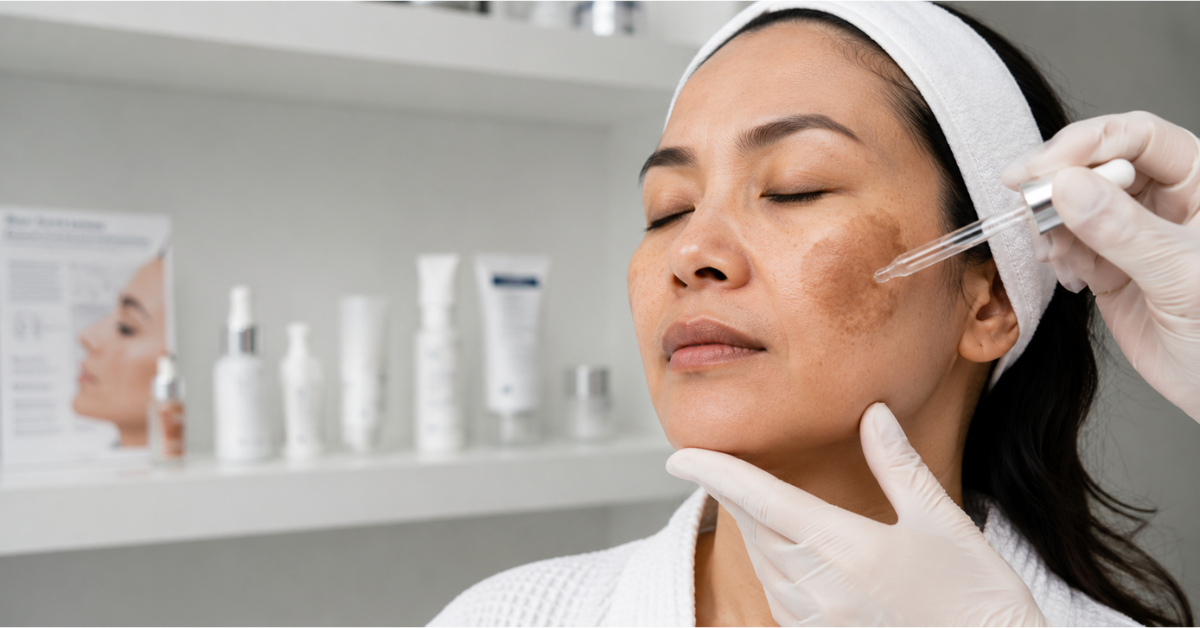
These are dark marks, not true scars. The good news is they fade faster—often within 3 to 6 months, sometimes sooner with proper skincare.


How Long Does It Take to Treat Adult Acne Scars Naturally?


If you’re using topical products and at-home care, patience is key. Natural improvement is slow but possible.


With consistent use of:


  • Sunscreen

  • Retinoids

  • Vitamin C

  • Gentle exfoliation

You may start seeing results in 8–12 weeks, with noticeable improvement after 4–6 months. This approach works best for mild scars and pigmentation rather than deep texture issues.


Professional Treatments and Their Timelines


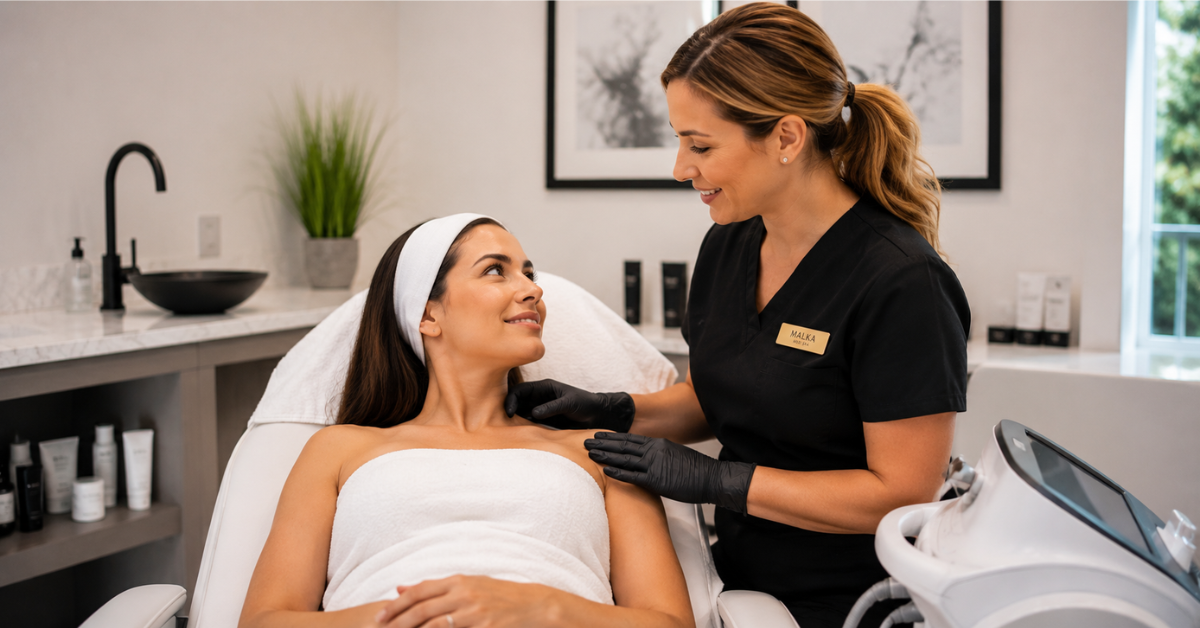
For faster and more noticeable results, many adults turn to in-office procedures. Each option has a different timeline.


Chemical Peels: Best for surface scars and discoloration. Mild peels show improvement in 4–6 weeks, while deeper peels may require several sessions over 3–6 months.


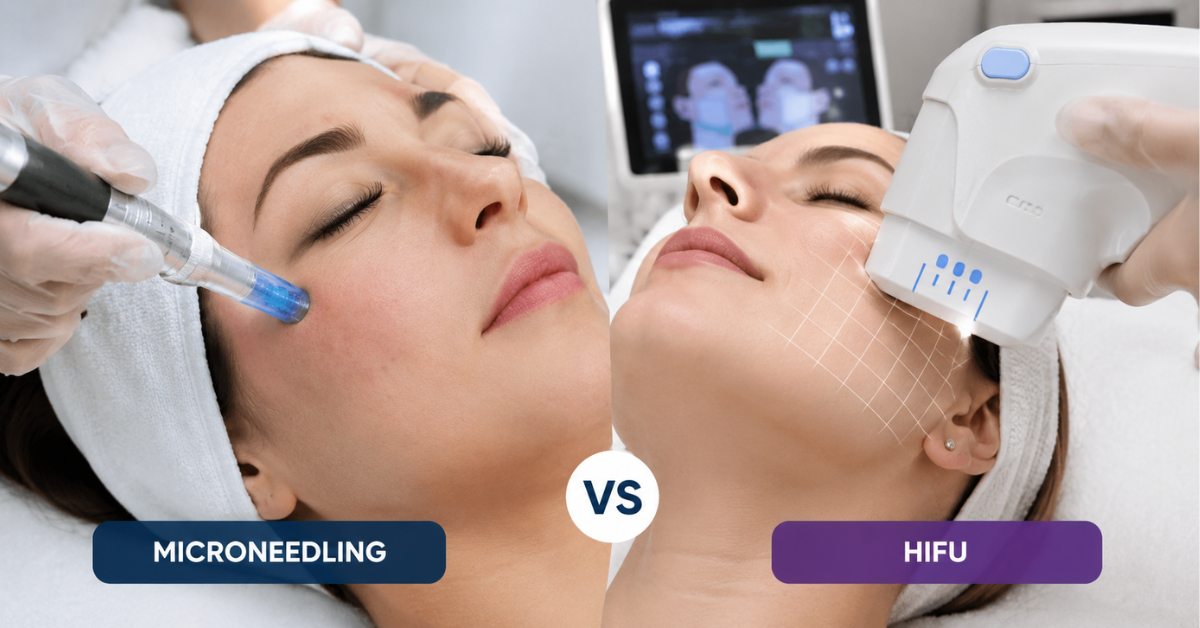
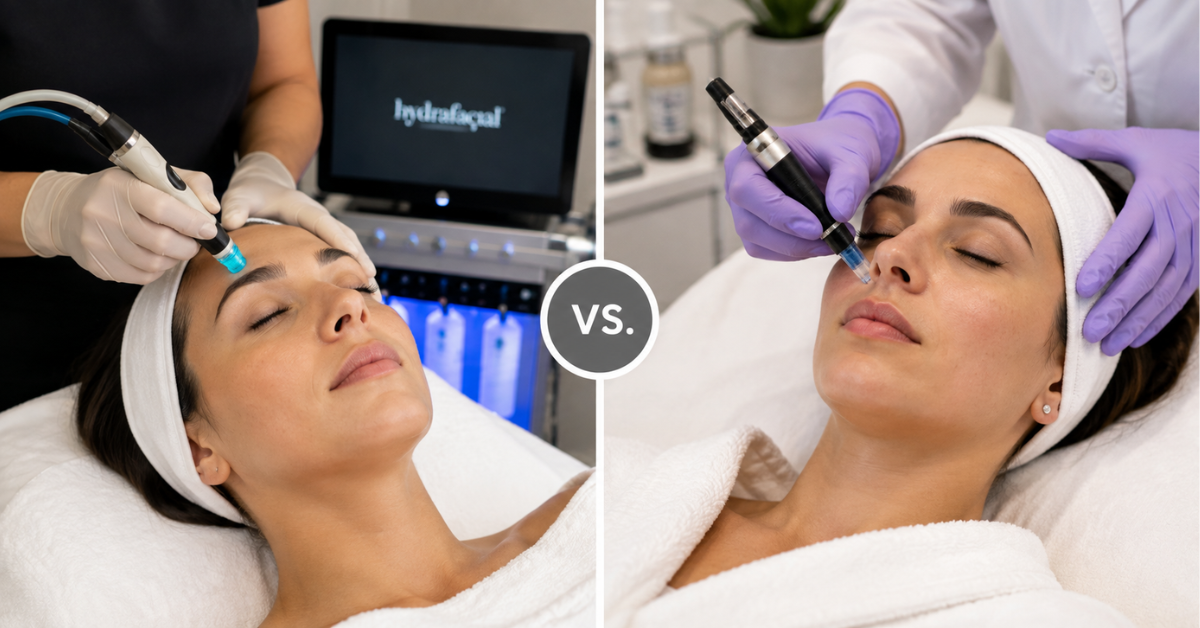
Microneedling: This popular treatment boosts collagen production. Most people need 3–6 sessions, spaced a month apart. Visible improvement often appears after 2–3 months, with continued results over time.


Laser Treatments: Laser resurfacing delivers faster but more intensive results. Some people see improvement within 1–2 months, while full results may take 6 months as collagen rebuilds.


Dermal Fillers: Fillers provide immediate improvement for certain depressed scars, but results are temporary, lasting 6–18 months depending on the product used.


Factors That Affect Acne Scar Healing Time


If you’re wondering again how long does it take to treat adult acne scars, these factors matter more than most people realize:


Skin type and tone influence healing speed and pigmentation risk. Age affects collagen production. Scar depth determines how aggressive treatment needs to be. Lifestyle habits like smoking, sun exposure, and inconsistent skincare can slow progress significantly.

Consistency is often the deciding factor between slow progress and real results.


Can Adult Acne Scars Be Completely Removed?


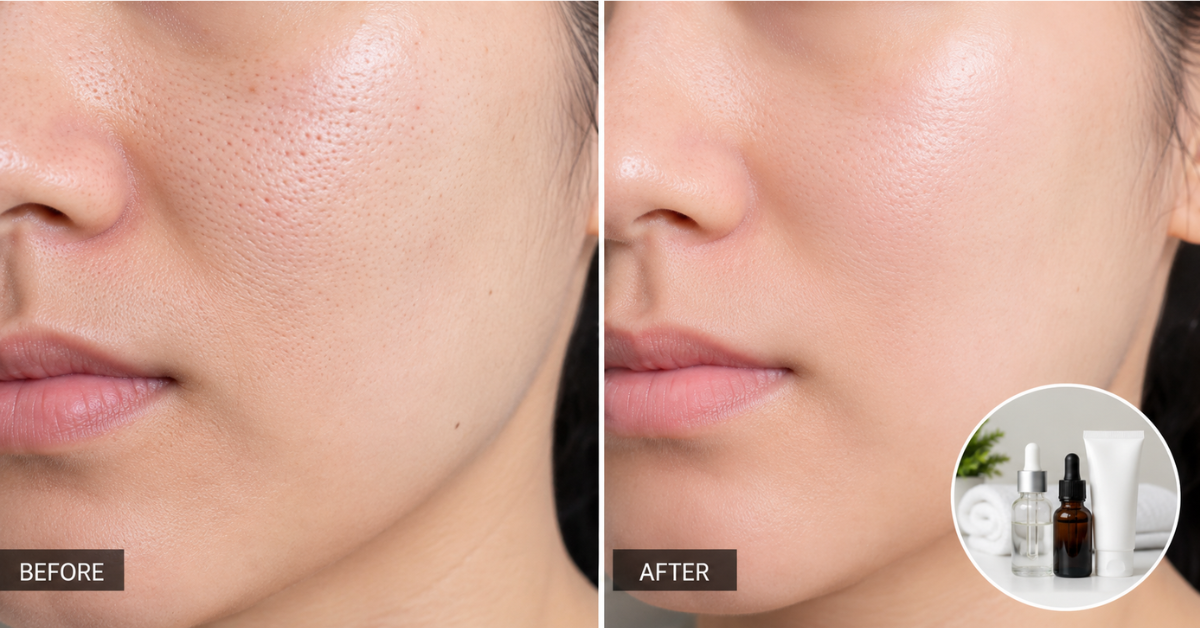
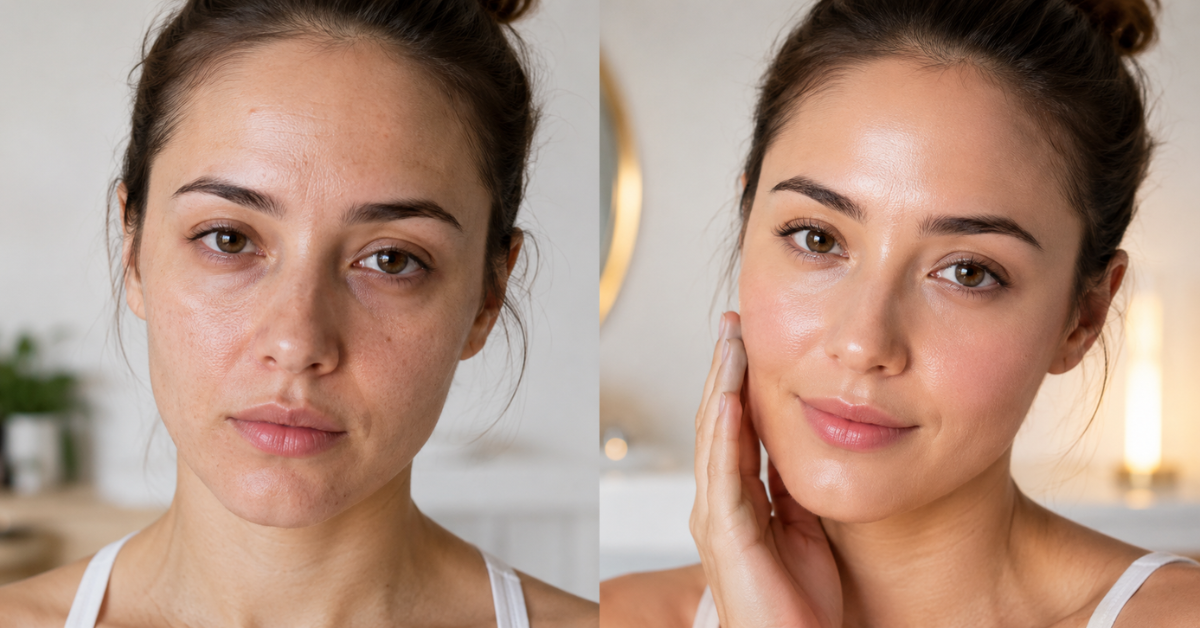
This is a common question—and an important one. Most treatments aim to significantly improve, not completely erase, scars. Many adults achieve 60–90% improvement with the right combination of treatments and time.

The goal of acne scar removal options isn’t perfection but smoother texture, even tone, and healthier-looking skin.


How to Speed Up Acne Scar Treatment Safely


While there’s no instant fix, you can support faster healing by:


  • Wearing sunscreen daily

  • Avoiding active breakouts during treatment

  • Following post-treatment instructions carefully

  • Staying consistent with skincare

  • Choosing professional treatments when needed

Rushing treatments or overdoing products can actually delay results.


Emotional Side of Acne Scar Treatment


Adult acne scars aren’t just a skin issue—they affect confidence. It’s important to set realistic expectations and remember that progress happens gradually. Many people notice subtle improvements first before major changes become obvious.

Tracking progress with photos can help you stay motivated during the process.


Conclusion


So, how long does it take to treat adult acne scars? For mild cases, improvement may appear within a few months. Moderate to severe scars often require 6 to 12 months of consistent treatment. The key is choosing the right method, staying patient, and focusing on long-term skin health rather than quick fixes.

With the right approach, adult acne scars can fade—and your skin can look smoother, clearer, and more confident over time.


Frequently Asked Questions (FAQs)

Q: How long does it take to treat adult acne scars naturally?

A: Natural and topical treatments usually take 4–6 months for visible improvement.


Q: What is the fastest treatment for acne scars?

A: Laser treatments and microneedling typically deliver faster results than creams alone.


Q: Can acne scars get worse over time?

A: Yes, without sun protection or proper care, scars and dark marks can become more noticeable.


Q: Are adult acne scars harder to treat than teenage scars?

A: Yes, adult skin heals more slowly, which can extend treatment time.


Q: Do acne scars ever fade completely?

A: Some scars fade significantly, but complete removal is rare. Most treatments focus on visible improvement.
By Rabia Tingat February 24, 2026
Healthy skin isn’t just about avoiding breakouts. It’s about how your skin looks and feels . Is it smooth or rough? Radiant or dull? Even-toned or patchy? That’s where texture & brightening treatments come in. If you’ve ever looked in the mirror and noticed uneven skin tone, tiny bumps, dark spots, or a lack of glow, you’re not alone. Most people experience some form of skin texture concern or dullness at some point. The good news? Modern skincare offers effective ways to address both issues simultaneously. Let’s break down what these treatments actually do, how they work, and whether they’re right for you. Understanding Skin Texture and Brightness Before diving into solutions, it helps to understand the problem. What Is Skin Texture? Skin texture refers to how smooth or rough your skin feels. Ideally, skin should feel soft and even. However, several factors can disrupt that: Dead skin buildup Enlarged pores Acne scars Fine lines Dehydration Sun damage When these factors accumulate, your skin may feel bumpy or look uneven. What Causes Dull or Uneven Skin Tone? Brightness is all about radiance. If your skin looks tired or flat, you may be dealing with: Hyperpigmentation Sun spots Post-acne marks Poor circulation Slower cell turnover In many cases, texture and brightness issues go hand in hand. That’s why texture & brightening treatments are often combined in one skincare plan. How Texture & Brightening Treatments Work These treatments focus on two main goals: smoothing the surface and improving clarity. 1. Boosting Cell Turnover One of the most important aspects of skin texture improvement is increasing cell turnover. Your skin naturally sheds dead cells, but this process slows with age. Exfoliating treatments — like chemical exfoliants (AHAs, BHAs) or retinoids — encourage fresh, new skin cells to rise to the surface. As a result: Rough patches become smoother Fine lines appear softer Skin looks fresher and more radiant When dead skin is removed, light reflects better off the surface. That alone can dramatically enhance brightness. 2. Targeting Hyperpigmentation Dark spots and discoloration make skin look uneven. Brightening skincare treatments often include ingredients like: Vitamin C Niacinamide Alpha arbutin Kojic acid Tranexamic acid These ingredients help regulate melanin production. Over time, they fade dark spots and improve uneven skin tone. The result? A clearer, more luminous complexion. 3. Stimulating Collagen Production Professional treatments such as microneedling or laser resurfacing go deeper. They stimulate collagen production, which improves both texture and tone. More collagen means: Smoother skin Reduced acne scars Improved elasticity Refined pores Collagen also gives skin a healthy bounce that naturally enhances glow. Types of Texture & Brightening Treatments Not all treatments are the same. Some are gentle and done at home, while others require a professional setting. At-Home Treatments: If you're just starting out, these options are accessible and effective: Chemical Exfoliants: AHAs work on the surface to smooth rough texture, while BHAs penetrate pores to clear congestion. Used consistently, they are excellent for dull skin treatment. Vitamin C Serums: A staple in brightening skincare treatments, Vitamin C helps fade dark spots and boost radiance. Retinoids: Retinol accelerates cell turnover and supports skin texture improvement. However, it requires gradual introduction to avoid irritation. Professional Treatments For deeper concerns like acne scarring or stubborn hyperpigmentation solutions, professional options may be better. Chemical Peels : Stronger than at-home exfoliants, peels remove damaged outer layers and reveal smoother, brighter skin underneath. Laser Therapy: Lasers target pigmentation and stimulate collagen. While more intensive, they offer dramatic results for uneven skin tone. Microneedling : Tiny controlled micro-injuries encourage healing and collagen formation. Over time, skin appears smoother and more refined. Benefits of Texture & Brightening Treatments Now that we understand how they work, let’s talk about what you can realistically expect. Smoother Skin: Regular exfoliation and collagen stimulation reduce rough patches and minimize visible pores. More Even Tone: By targeting pigmentation at the source, brightening skincare treatments help create a uniform complexion. Increased Radiance: Removing dead skin cells and boosting circulation enhances natural glow. Many people notice their makeup applies better too. Improved Confidence: When your skin looks healthy, you feel better. Clear, glowing skin often boosts self-esteem in subtle but meaningful ways. Who Should Consider These Treatments? Texture & brightening treatments aren’t just for one skin type. They can benefit: People with acne scars Those experiencing dullness Individuals with sun damage Anyone noticing early signs of aging People struggling with uneven skin tone However, sensitive skin types should proceed carefully. Consulting a dermatologist before starting strong treatments is always wise. How Long Does It Take to See Results? Patience is key. At-home treatments may show visible improvement in 4–8 weeks. Professional treatments can deliver quicker results, but often require multiple sessions. Consistency matters more than intensity. Gentle, regular care typically outperforms aggressive, inconsistent treatments. Common Mistakes to Avoid Even effective treatments can backfire if misused. Over-exfoliating can damage your skin barrier. This may lead to redness, irritation, or even more pigmentation. Skipping sunscreen is another major mistake. Brightening treatments make your skin more sensitive to sunlight. Without daily SPF, dark spots can return quickly. Finally, mixing too many active ingredients at once can cause irritation. Start slow and introduce products gradually. Building a Simple Texture & Brightening Routine If you’re feeling overwhelmed, here’s a balanced approach: Morning: Cleanser → Vitamin C → Moisturizer → Sunscreen Evening: Cleanser → Gentle exfoliant or retinol (alternate days) → Moisturizer Add professional treatments only if needed and spaced appropriately. Are Texture & Brightening Treatments Safe? When used correctly, most treatments are safe. However, the right choice depends on your skin type, sensitivity, and concerns. Mild redness or peeling can happen initially, especially with retinoids or peels. This is usually temporary. If you experience burning, swelling, or persistent irritation, stop immediately and consult a professional. Conclusion: Is It Worth It? If smoother texture and brighter skin are your goals, then yes — texture & brightening treatments can make a significant difference. They don’t offer overnight miracles. Instead, they provide gradual, visible improvement that builds over time. By enhancing cell turnover, fading pigmentation, and stimulating collagen, these treatments work from the inside out. The key is choosing the right combination for your skin and sticking with it consistently. With patience and proper care, you’ll notice clearer, softer, and more radiant skin staring back at you. Frequently Asked Questions Q1. How often should I use texture & brightening treatments? A: It depends on the product. Gentle exfoliants can be used 2–3 times per week, while retinoids may start once weekly and increase gradually. Q2. Can I combine brightening products with acne treatments? A: Yes, but carefully. Many acne treatments already contain exfoliating acids. Avoid over-layering actives to prevent irritation. Q3. Do brightening treatments lighten skin color? A: No. They reduce hyperpigmentation and uneven skin tone, revealing your natural complexion rather than changing it. Q4. Are professional treatments better than at-home products? A: Not necessarily. At-home products work well for mild concerns. Professional treatments are ideal for deeper scars or stubborn pigmentation. Q5. How long do results last? A: Results can last long-term with maintenance, sun protection, and consistent skincare.
Does Laser Treatment Work for Deep Acne Scars in Adults?
By Rabia Tingat February 17, 2026
Does laser treatment work for deep acne scars in adults? Learn which lasers help, expected results, sessions, downtime, risks, and who is a good candidate.
Are Dark Spots from Adult Acne Real Scars?
By Rabia Tingat February 6, 2026
Learn whether dark spots from adult acne are true scars, why they form, and how to treat and prevent them effectively.
What’s the Difference Between Acne Marks and Acne Scars in Adults?
By Rabia Tingat January 30, 2026
Learn the difference between acne marks and acne scars in adults, why they form, how to identify each, and what treatments actually work.
How Do I Know If My Acne Scars Are Pitted or Pigmented?
By Rabia Tingat January 22, 2026
Learn how to tell pitted vs pigmented acne scars apart, why they form, and which treatments work best for each type.
What Types of Acne Scars Are Most Common in Adults?
By Rabia Tingat January 15, 2026
Learn the most common types of acne scars in adults, what causes them, how to identify each type, and which treatments may help improve skin texture.
What Is the Best Treatment for Adult Acne Scars?
By Rabia Tingat December 29, 2025
Discover the best treatment for adult acne scars, from skincare to professional options, and learn how to choose what really works for your skin.
Is EMS Treatment Risky for Face and Skin Tightening?
By Rabia Tingat December 21, 2025
Is EMS treatment risky for face and skin tightening? Learn about safety, side effects, benefits, and who should avoid EMS therapy.
How Long Do EMS Face Sculpting Results Last?
By Rabia Tingat December 15, 2025
Discover how long EMS Face Sculpting results last, what affects longevity, and how to maintain a lifted, toned face after treatment.
How Quickly Can an EMS Face Lift Show Results on Your Face?
By Rabia Tingat December 8, 2025
Discover how quickly EMS face lift results appear, what changes to expect, and how long they last with this non-surgical facial treatment.