Is HIFU Treatment Painful?
High-Intensity Focused Ultrasound (HIFU) treatment has gained considerable attention in the medical field for its non-invasive nature and efficacy in various therapeutic applications. HIFU utilizes focused ultrasound waves to target specific tissues within the body, generating heat that leads to tissue destruction or thermal coagulation. Originally developed for treating tumors, HIFU has expanded its scope to include cosmetic procedures such as skin tightening and facial rejuvenation, as well as medical treatments like prostate and uterine fibroid therapy. With its ability to deliver precise energy to targeted areas without harming surrounding tissues, HIFU has emerged as a promising alternative to surgery in many clinical settings.
The purpose of this post is to explore and address a common concern among individuals considering HIFU treatment: pain. While HIFU is known for its non-invasive nature, there remains uncertainty and apprehension regarding the potential discomfort or pain associated with the procedure. By delving into the mechanisms of HIFU treatment, examining patient experiences, and discussing pain management strategies, this post aims to provide comprehensive information to help individuals make informed decisions about undergoing HIFU therapy.
What is HIFU?
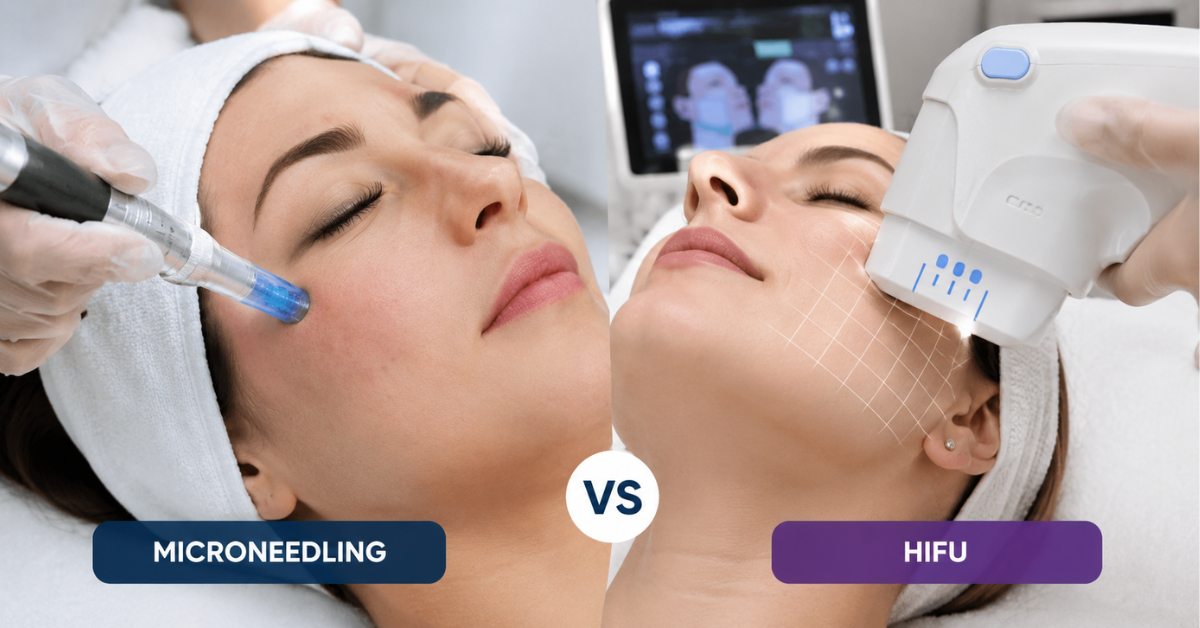
High-Intensity Focused Ultrasound (HIFU) is a non-invasive medical procedure that uses focused ultrasound waves to heat and destroy targeted tissues within the body. Unlike traditional ultrasound, which uses low-intensity sound waves for imaging purposes, HIFU delivers concentrated energy to specific points, generating heat that leads to tissue ablation or coagulation. This precision allows for targeted treatment without harming surrounding tissues, making HIFU an attractive alternative to surgery in various medical and cosmetic applications.
How Does HIFU Work?
During HIFU treatment, ultrasound waves are focused onto a specific tissue target within the body using a transducer. The transducer emits high-frequency sound waves that pass harmlessly through the skin and surrounding tissues until they converge at a focal point. At this focal point, the energy becomes concentrated, generating heat that raises the temperature of the targeted tissue rapidly. This thermal energy causes coagulative necrosis, destroying the targeted tissue while leaving adjacent structures unharmed. The ability to precisely control the depth and intensity of the ultrasound energy allows for tailored treatment to achieve optimal therapeutic outcomes.
Applications of HIFU Treatment
HIFU treatment has a wide range of applications across various medical specialties and cosmetic procedures. In oncology, HIFU is used for the non-invasive treatment of solid tumors, including prostate cancer, uterine fibroids, liver tumors, and pancreatic tumors. By precisely targeting and ablating tumor tissues, HIFU offers a minimally invasive alternative to surgery and traditional radiation therapy, with fewer side effects and shorter recovery times. In addition to oncology, HIFU is utilized in dermatology for skin tightening, wrinkle reduction, and facial rejuvenation. By stimulating collagen production and tightening underlying tissues, HIFU can improve skin tone, texture, and elasticity without the need for surgical intervention. The versatility and efficacy of HIFU treatment make it a valuable tool in modern medicine, offering patients non-invasive options for a wide range of conditions and cosmetic concerns.
Addressing Pain Perception
Understanding patient experiences with HIFU treatment is essential for assessing pain perception. While some individuals may report minimal discomfort during the procedure, others may experience varying levels of pain. Patient testimonials and feedback provide valuable insights into the subjective nature of pain perception and help healthcare providers tailor treatment approaches accordingly. By listening to patient experiences and addressing concerns, healthcare providers can better support individuals undergoing HIFU therapy and manage pain effectively.
Factors Influencing Pain Perception
Several factors can influence pain perception during HIFU treatment. Individual pain thresholds, anxiety levels, and previous experiences with medical procedures all play a role in how patients perceive pain. Also, factors such as the location and size of the treatment area, as well as the intensity and duration of the ultrasound energy, can impact pain levels. By identifying and addressing these factors, healthcare providers can better anticipate and manage pain during HIFU treatment, ensuring a more comfortable experience for patients.
Managing Pain during HIFU Treatment
Effective pain management strategies are essential for ensuring patient comfort and satisfaction during HIFU treatment. Prior to the procedure, patients may be offered pain relief options such as topical anesthesia or oral analgesics to minimize discomfort. During the procedure, healthcare providers can use techniques such as continuous monitoring of pain levels, adjusting the intensity of ultrasound energy, or incorporating breaks to allow patients to rest and recover. Open communication between patients and healthcare providers is key to addressing any pain-related concerns and ensuring that patients feel supported throughout the HIFU treatment process.
Exploring Pain Levels
Using standardized pain scale assessments can help healthcare providers evaluate and quantify pain levels experienced by patients during HIFU treatment. Pain scales, such as the visual analog scale (VAS) or numerical rating scale (NRS), allow patients to rate their pain intensity on a scale from 0 to 10, with 0 representing no pain and 10 representing the worst possible pain. By regularly assessing pain levels before, during, and after HIFU treatment, healthcare providers can track changes over time, identify trends, and adjust pain management strategies as needed to optimize patient comfort and outcomes.
Variation in Pain Perception
Pain perception can vary widely among individuals undergoing HIFU treatment, making it essential for healthcare providers to recognize and address individual differences. Factors such as age, gender, psychological state, and cultural background can all influence how patients perceive and experience pain. Additionally, underlying medical conditions or coexisting pain syndromes may exacerbate pain during HIFU treatment. By acknowledging and accommodating these variations in pain perception, healthcare providers can tailor pain management approaches to meet the unique needs of each patient, ensuring a more personalized and effective treatment experience.
Comparisons with Other Treatments
Comparing pain levels associated with HIFU treatment to those of other therapeutic modalities can provide valuable insights into its relative efficacy and tolerability. Studies comparing HIFU with conventional surgical procedures or alternative non-invasive treatments can help healthcare providers and patients make informed decisions about treatment options. Research comparing pain levels across different HIFU applications, such as oncological versus cosmetic indications, can further inform clinical practice and improve patient care. By examining pain levels in the context of comparative studies, healthcare providers can better understand the strengths and limitations of HIFU treatment and make evidence-based recommendations for their patients.
Pre-treatment Pain Management
Before undergoing HIFU treatment, patients may benefit from pre-treatment pain management strategies to help minimize discomfort. These may include the administration of topical anesthesia or oral analgesics to numb the treatment area and reduce pain sensitivity. Also, providing patients with information and education about the HIFU procedure, including what to expect and how to manage potential discomfort, can help alleviate anxiety and improve overall pain management outcomes.
In-treatment Pain Management
During HIFU treatment, healthcare providers can employ various pain management techniques to help patients manage discomfort effectively. These may include adjusting the intensity and duration of ultrasound energy delivery, incorporating breaks during the procedure to allow patients to rest and recover, and using continuous pain monitoring to assess pain levels and adjust pain management strategies as needed. Additionally, maintaining open communication with patients throughout the treatment process can help address any pain-related concerns and ensure that patients feel supported and comfortable.
Post-treatment Pain Management
After HIFU treatment, patients may experience residual discomfort or soreness in the treated area. Post-treatment pain management strategies aim to alleviate these symptoms and promote recovery. This may involve prescribing pain medications or recommending over-the-counter pain relief options, such as nonsteroidal anti-inflammatory drugs (NSAIDs) or topical analgesics. Additionally, advising patients on post-treatment care, including proper wound care and activity restrictions, can help minimize pain and facilitate healing.
Conclusion
Exploring the question of whether HIFU treatment is painful has revealed valuable insights into pain perception, management strategies, and patient experiences. While pain levels during HIFU treatment may vary among individuals, addressing factors influencing pain perception and employing effective pain management strategies can enhance patient comfort and satisfaction. Patient testimonials provide real-life perspectives on pain experiences and treatment outcomes, informing prospective patients and guiding future practice. Moving forward, continued research and collaboration in pain management and patient care are essential to optimizing HIFU treatment and ensuring positive outcomes for individuals undergoing this innovative therapy.