Is HIFU Treatment Safe? A Comprehensive Guide to Its Risks and Benefits
High-Intensity Focused Ultrasound (HIFU) has become a popular non-invasive cosmetic procedure, celebrated for its ability to tighten and lift the skin without the need for surgery. Many people considering this treatment wonder, "Is HIFU treatment safe?" The answer is generally yes—HIFU is considered a safe procedure when performed by a trained professional. However, like any medical treatment, it comes with its own set of risks and considerations. In this comprehensive guide, we'll explore how HIFU works, examine its benefits, and discuss potential risks and safety precautions to help you determine if this procedure is right for you.
What is HIFU Treatment?
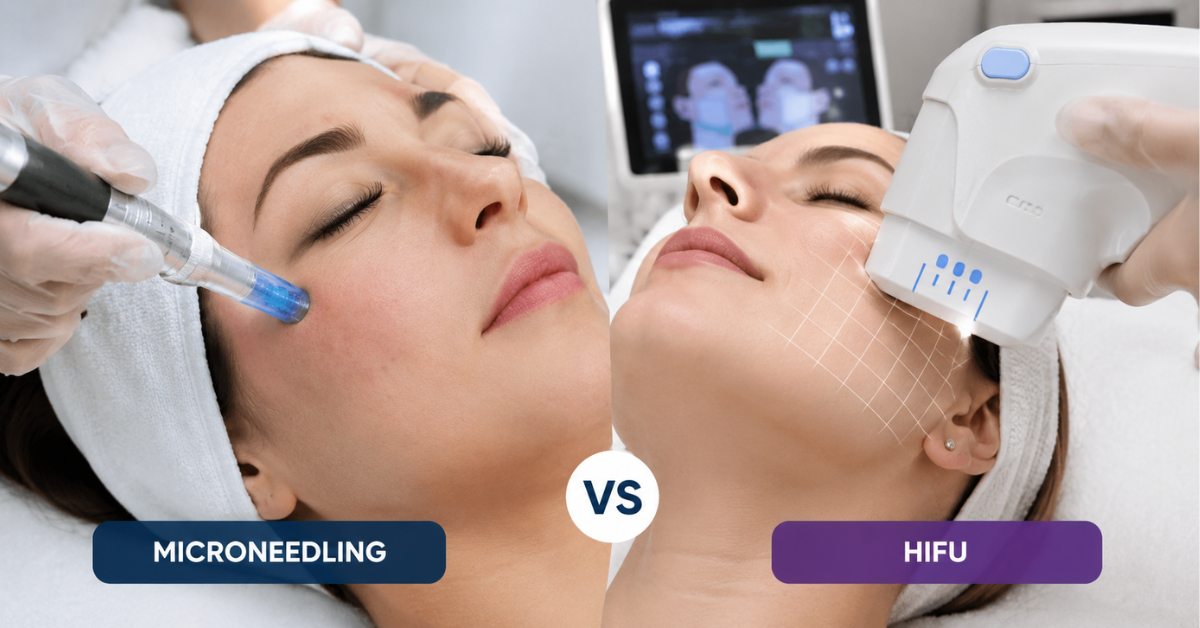
HIFU, which stands for High-Intensity Focused Ultrasound, uses focused ultrasound waves to target specific layers of skin tissue. This energy heats the tissue, causing controlled thermal damage that stimulates the body's natural collagen production and skin tightening. Originally developed for medical uses such as tumor treatment, HIFU has been adapted for cosmetic purposes to help achieve a more youthful appearance without the need for invasive surgery.
Benefits of HIFU Treatment
HIFU treatment offers several compelling benefits:
- Non-Invasive: Unlike surgical facelifts, HIFU is non-invasive, meaning there are no incisions, stitches, or significant recovery time required. This makes it an appealing option for those seeking improvements without the need for surgery.
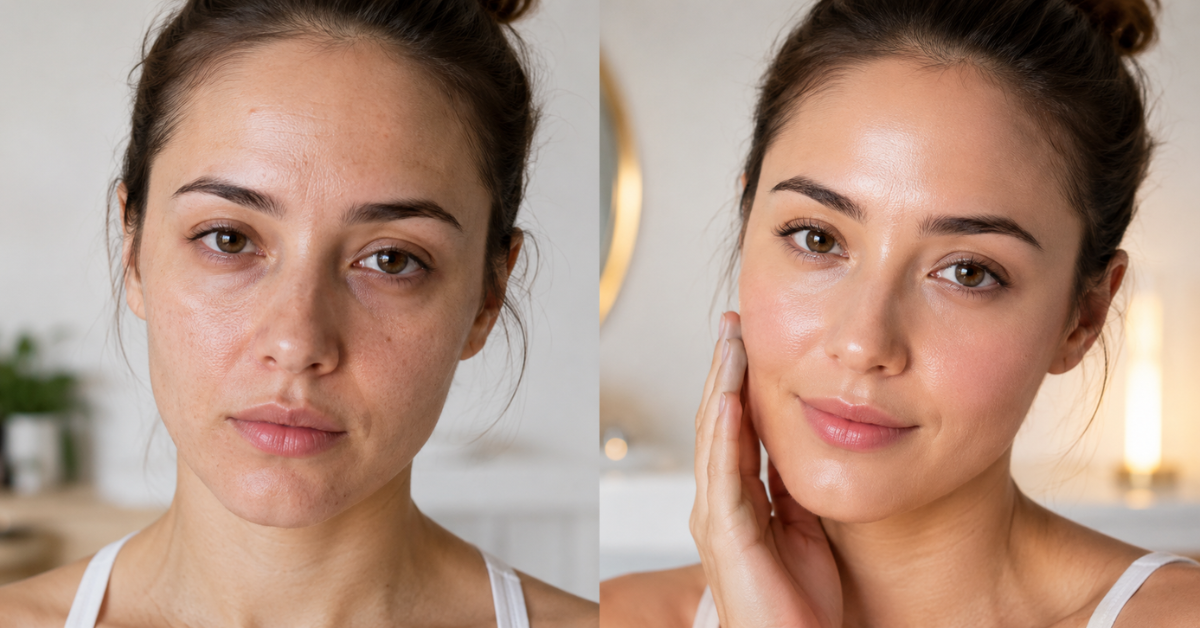
- Effective Skin Lifting and Tightening: Many patients experience noticeable lifting and tightening of the skin, particularly around the brow, cheeks, and jawline. This is due to the stimulation of collagen production.
- Minimal Discomfort: While some discomfort is possible, it is generally mild. Most patients find the procedure tolerable, and numbing creams can help alleviate discomfort.
- No Downtime: After treatment, you can typically return to your normal activities immediately. Any minor redness or swelling usually resolves within a few hours to a day.
- Long-Lasting Results: Results from HIFU can last up to 1-2 years, depending on individual factors such as skin condition and lifestyle. Maintenance treatments can help prolong results.
Risks and Side Effects
Despite its advantages, HIFU treatment is not without risks. It’s important to be aware of potential side effects:
- Skin Sensitivity: Post-treatment, some patients may experience temporary redness, swelling, or tenderness in the treated area. These effects are usually mild and resolve quickly.
- Discomfort or Pain: Although generally well-tolerated, some patients might experience discomfort or pain during and after the procedure. Over-the-counter pain relievers can help manage this discomfort.
- Uneven Results: Results can vary, and some individuals may experience uneven skin tightening. This can be influenced by factors such as skin type and the skill of the practitioner.
- Risk of Burns: Although rare, improper use of the HIFU device can cause burns. This risk is minimized when the procedure is performed by a trained and experienced professional.
- Not Suitable for Everyone: HIFU may not be appropriate for individuals with certain medical conditions, active infections, or those who are pregnant. A thorough consultation is essential to determine suitability.
Safety Considerations
To ensure a safe and effective HIFU treatment, follow these safety considerations:
- Choose a Qualified Provider: Select a licensed and experienced practitioner specializing in HIFU treatments. Their expertise is crucial in minimizing risks and ensuring the procedure is performed correctly.
- Consultation: Schedule a comprehensive consultation to discuss your goals, medical history, and any potential risks. A professional will assess whether HIFU is a suitable option for you and address any concerns you may have.
- Adhere to Aftercare Instructions: Follow any aftercare instructions provided by your practitioner. This may include avoiding direct sun exposure and using gentle skincare products to support healing.
- Set Realistic Expectations: Understand that while HIFU can provide significant improvements, it may not achieve the same dramatic results as surgical options. Setting realistic expectations will help you better appreciate the benefits of the treatment.
Conclusion
HIFU treatment is generally considered safe and offers a non-invasive option for skin tightening and lifting. Its benefits include effective results with minimal downtime, making it an attractive alternative to surgical procedures. However, as with any cosmetic treatment, potential risks and side effects exist. By choosing a qualified provider and adhering to safety guidelines, you can make an informed decision about whether HIFU is the right choice for you. Consult with a healthcare professional to discuss your individual needs and explore your options before proceeding with any cosmetic procedure.