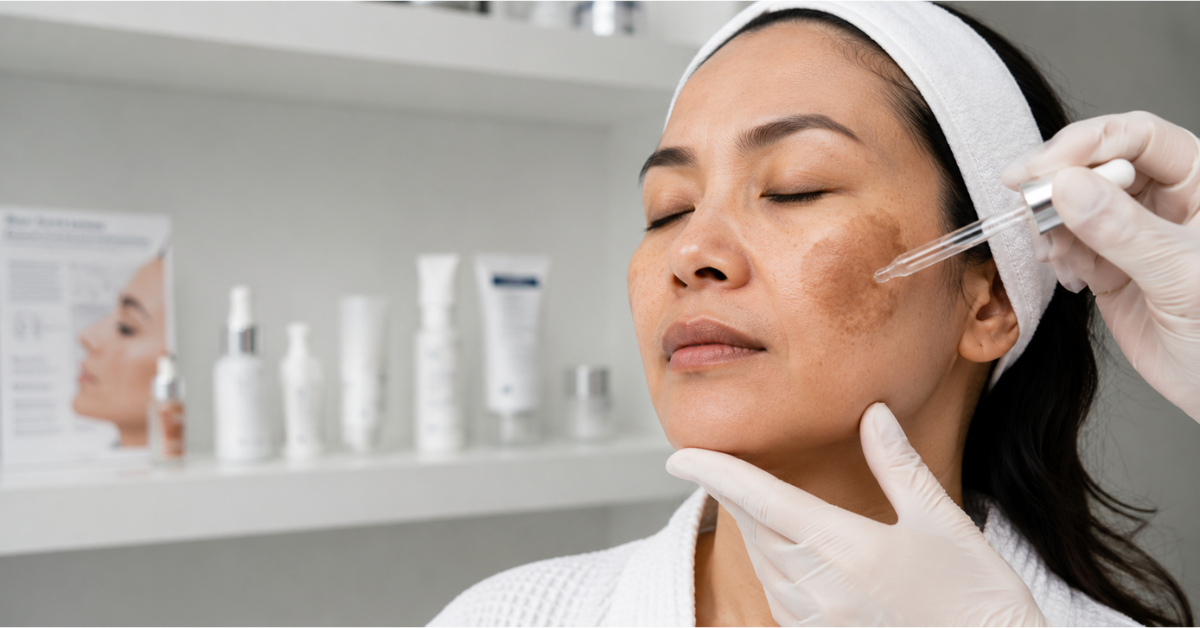
Does BioRePeel Cause Purging?
Chemical peels have long been a go-to treatment for smoother, brighter skin. Among the latest innovations, BioRePeel has been getting attention for its promise of minimal downtime and impressive results. But if you’re considering it, you might be wondering: Does BioRePeel cause purging? The answer is a little more nuanced than a simple yes or no. Let’s break it down so you know exactly what to expect.
What Is BioRePeel?
BioRePeel is an Italian-made chemical peel that uses a blend of acids, amino acids, and vitamins to rejuvenate the skin. Unlike traditional peels that often cause heavy peeling, redness, or long recovery periods, BioRePeel is marketed as a “no downtime” peel.
It contains trichloroacetic acid (TCA) along with salicylic acid, tartaric acid, and lactobionic acid. Together, these ingredients exfoliate the skin, unclog pores, and stimulate collagen production. Because of this unique formulation, BioRePeel works well for multiple skin concerns such as acne, fine lines, dullness, and pigmentation.
Understanding Skin Purging
Before we dive into whether BioRePeel causes purging, let’s clarify what purging means. Purging occurs when active ingredients speed up skin cell turnover, pushing clogged pores, oil, and debris to the surface faster than usual. This can temporarily worsen breakouts, showing up as whiteheads, blackheads, or small pimples.
Common treatments that may cause purging include:
- Retinoids
- Exfoliating acids (like AHAs and BHAs)
- Some professional peels
The good news is that purging is usually temporary and lasts only a few weeks. Once the skin adjusts, you’re left with clearer, healthier skin.
Does BioRePeel Cause Purging?
Yes, BioRePeel can cause purging—but not everyone experiences it. Because it contains exfoliating acids like TCA and salicylic acid, it increases skin turnover, which may bring hidden congestion to the surface.
- If you have acne-prone or congested skin, you are more likely to see purging.
- If your skin is relatively clear, you may notice only mild flaking or redness.
The purging phase typically lasts one to two weeks and should gradually improve. If your breakouts last longer or seem unusually severe, it might not be purging but rather an irritation or reaction to the treatment.
How to Tell Purging from a Reaction
It’s important to distinguish purging from a bad reaction.
- Purging: Breakouts occur in areas where you normally get pimples and improve within a few weeks.
- Reaction: Breakouts happen in unusual areas, are painful, or worsen over time without improvement.
If you suspect your skin is reacting rather than purging, consult your dermatologist or skincare professional immediately.
How to Minimize Purging with BioRePeel
While you can’t always prevent purging, there are ways to make it less noticeable and ensure a smoother recovery.
1. Prep Your Skin: Avoid using strong exfoliants, retinoids, or harsh scrubs before your appointment. This reduces the risk of irritation.
2. Follow Aftercare Instructions: Your practitioner will likely recommend gentle cleansers, hydrating serums, and sunscreen. Stick to these and avoid experimenting with new products.
3. Stay Hydrated: Both internally and externally. Drinking water and using a good moisturizer helps the skin recover faster.
4. Be Patient: Remember, purging is temporary. Resist the urge to pick at your skin, as this can cause scarring or prolong healing.
Benefits of BioRePeel Despite Purging
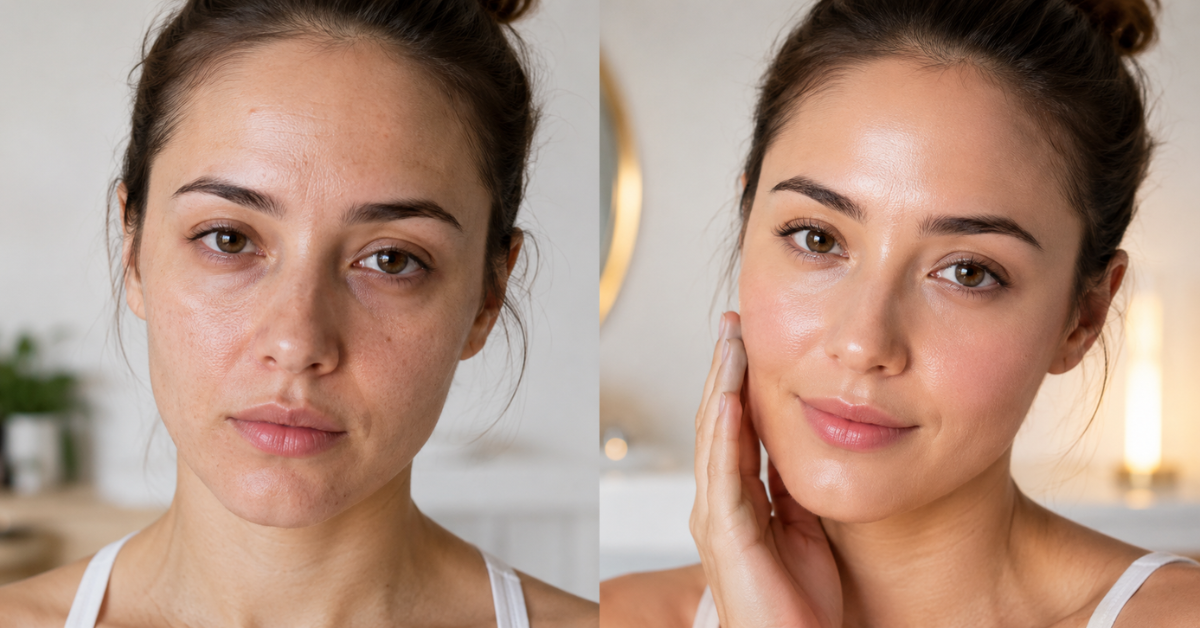
Even if you experience purging, the long-term benefits of BioRePeel often outweigh the temporary inconvenience. Results may include:
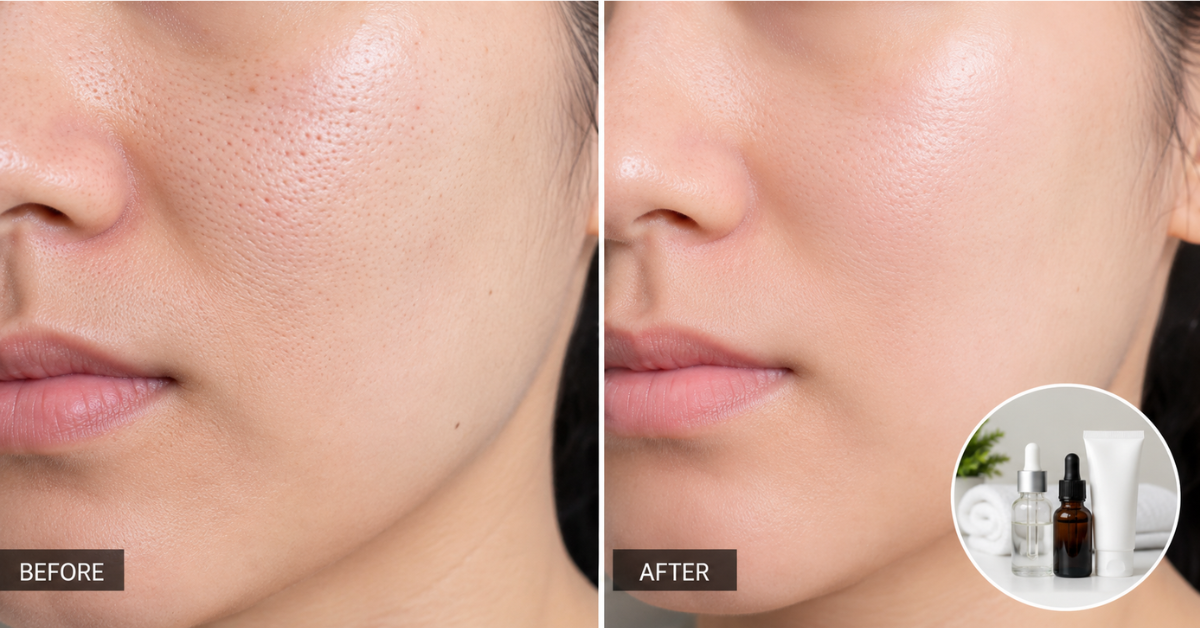
- Smoother skin texture
- Fewer breakouts over time
- Brighter, more even skin tone
- Reduced fine lines and wrinkles
- Improved acne scars with multiple sessions
Many people start to notice results after the first session, but best outcomes usually require a series of 4–6 treatments.
Who Should Avoid BioRePeel?
Not everyone is an ideal candidate. You should avoid BioRePeel if you:
- Are
pregnant or breastfeeding
- Have active infections or open wounds
- Have very sensitive skin or certain medical conditions (consult a dermatologist first)
Conclusion
So, does BioRePeel cause purging? Yes, it can—but it’s usually mild and temporary. Purging is simply a sign that your skin is adjusting and impurities are being cleared out. With proper aftercare and patience, most people find that BioRePeel leaves their skin smoother, brighter, and healthier in the long run. If you’re concerned about purging or unsure if this treatment is right for you, consult a qualified skincare professional to get personalized advice.
FAQs About BioRePeel and Purging
Q1. How long does BioRePeel purging last?
A: Usually 1–2 weeks. If it lasts longer, consult your skincare professional.
Q2. Can I use
makeup after BioRePeel?
A: It’s best to avoid makeup for at least 24 hours to let your skin breathe.
Q3. Is purging the same as a breakout?
A: Not exactly. Purging is temporary and linked to increased cell turnover, while a breakout may signal irritation.
Q4. How many BioRePeel sessions do I need?
A: For best results, most people need 4–6 sessions spaced a few weeks apart.
Q5. Can BioRePeel help with acne scars?
A: Yes, with consistent treatments, BioRePeel can improve the appearance of acne scars and overall skin texture.